
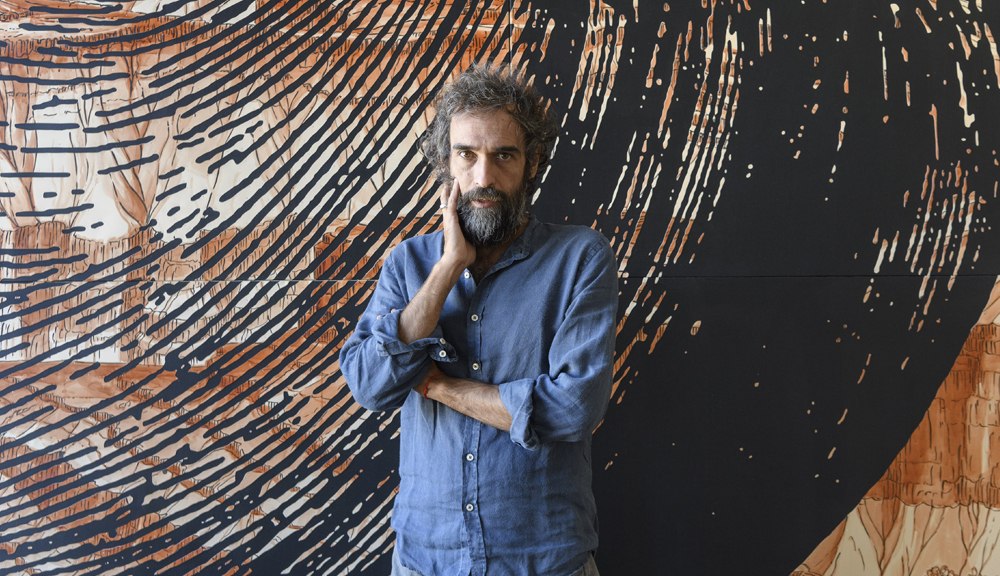
Palazzo Esposizioni Roma presents L’ultimo meraviglioso minuto, an exhibition by contemporary Italian artist Pietro Ruffo, from 29 October until 16 February 2025.
Curated by Sébastien Delot, Director of the collections and mediation of the Musée National Picasso in Paris, the show is the largest solo exhibition by Ruffo ever held by a public institution to date.
Through more than 50 works, mostly created specifically for this exhibition, the artist explores the impact of Man on planet Earth, exploring the legitimacy of the term Anthropocene, the alleged geological era of man, and condensing the history of our planet and knowledge, and pays a great tribute to the City of Rome.
The exhibition plays on the dilation and contraction of time and space, the history of the planet and humanity—within the singular space and time of the encounter with the artworks.
The exhibition begins 55 million years ago. The title of the first room, Le monde avant la création de l’homme (The World Before the Creation of Man), is borrowed from the book by Camille Flammarion, subtitled “origines de la terre, origines de la vie, origines de l’humanité” ,1886.)
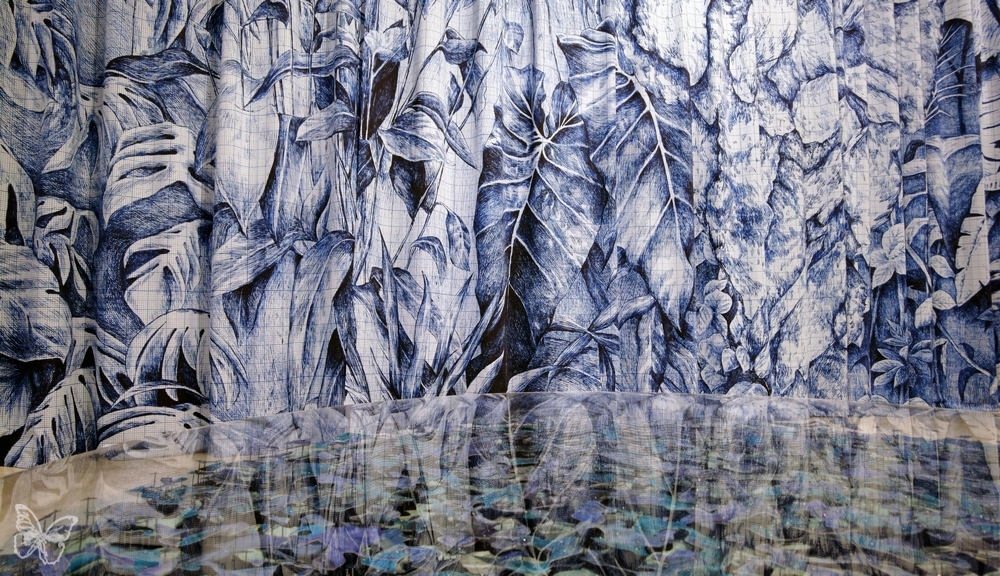
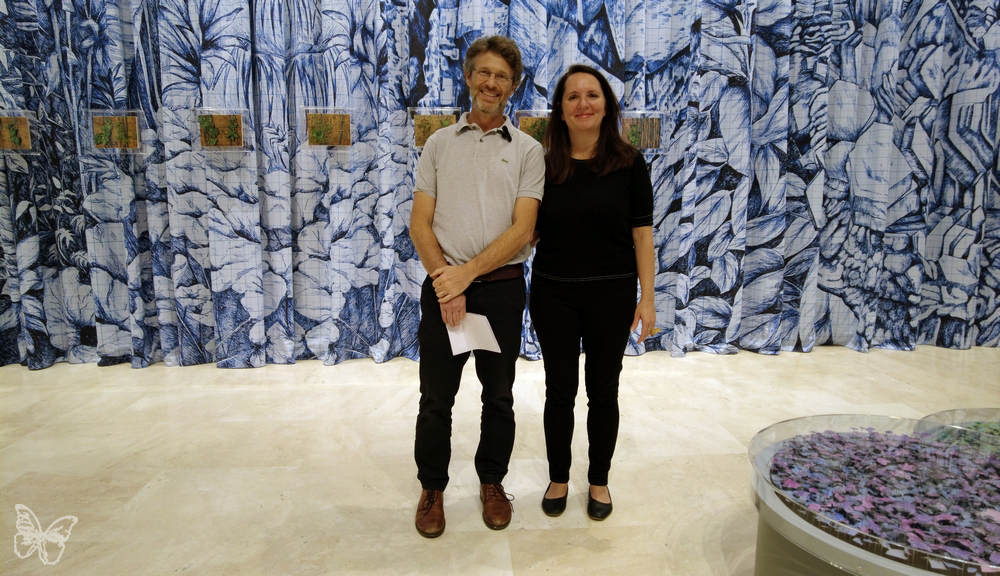
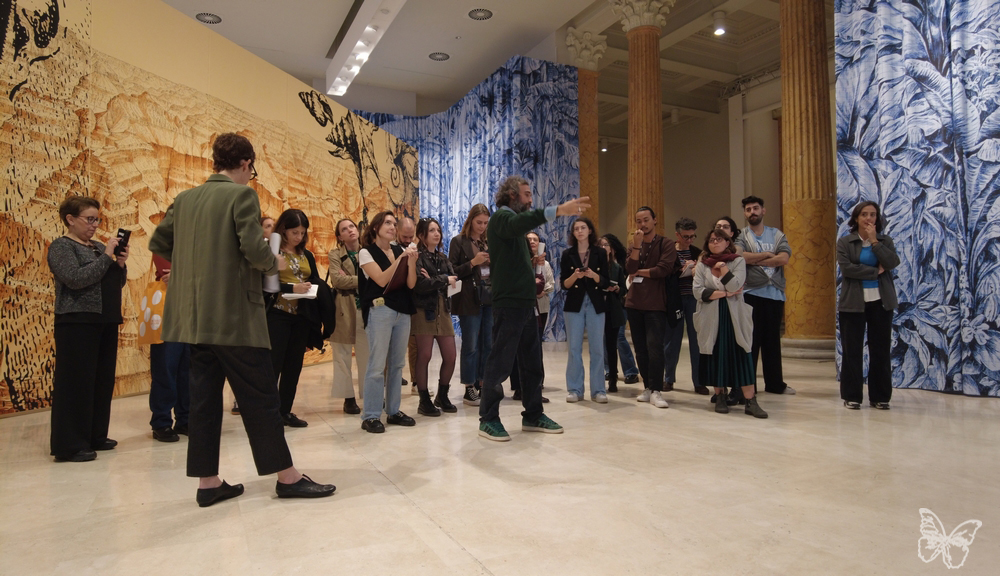
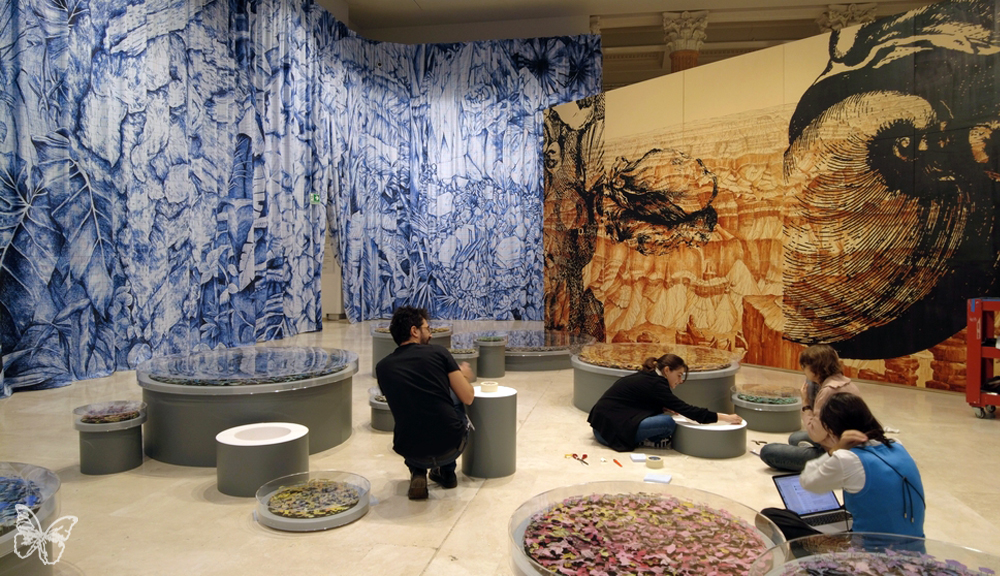
Ruffo outlines the characteristic elements of this planet. Using a ballpoint pen, he draws a primordial forest, creating an immense curtain (700 square metres) running along the entire perimeter of the space (Primordial Forest), surrounding visitors with images of plants and minerals, that evokes the time when tropical jungles covered much of the Earth’s surface.

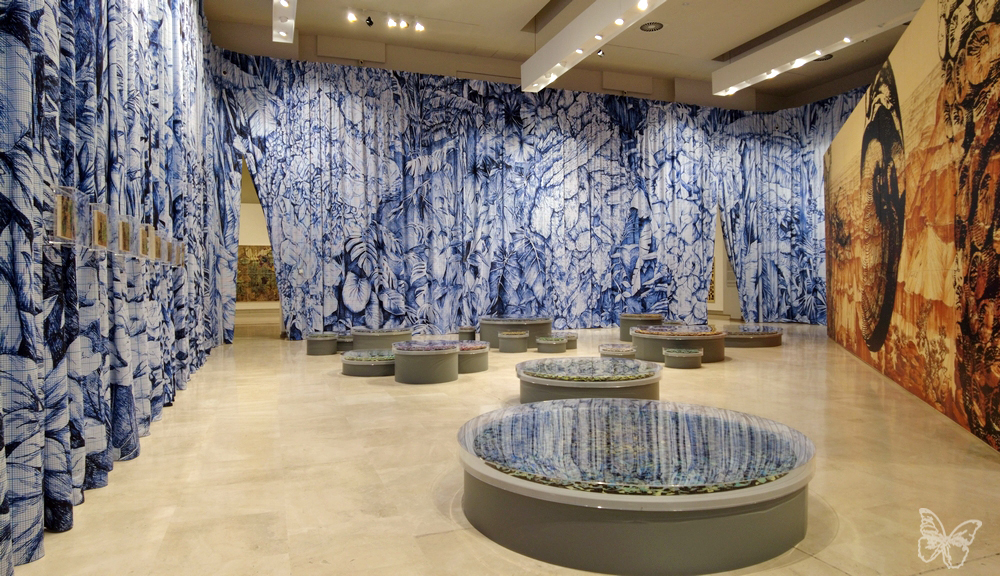

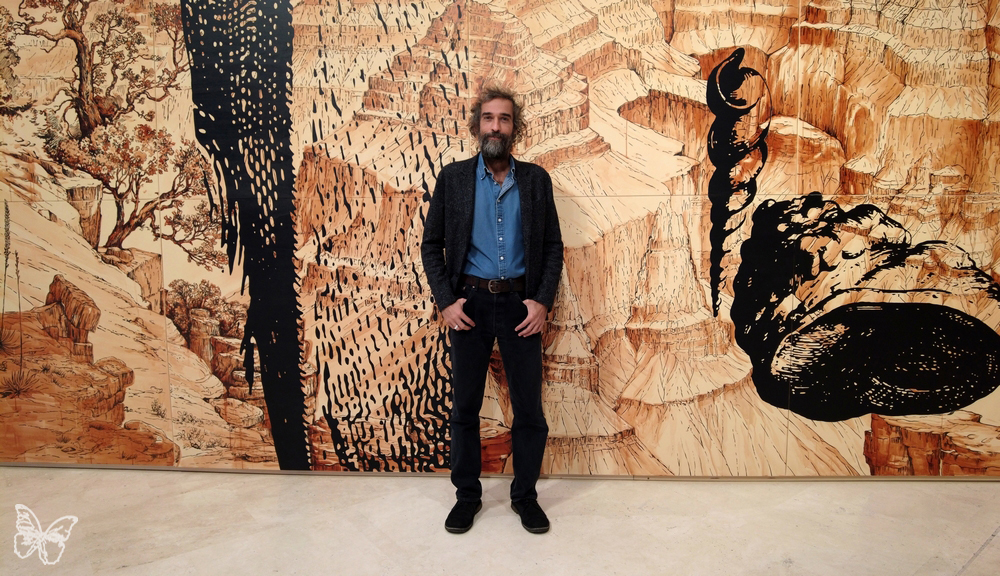
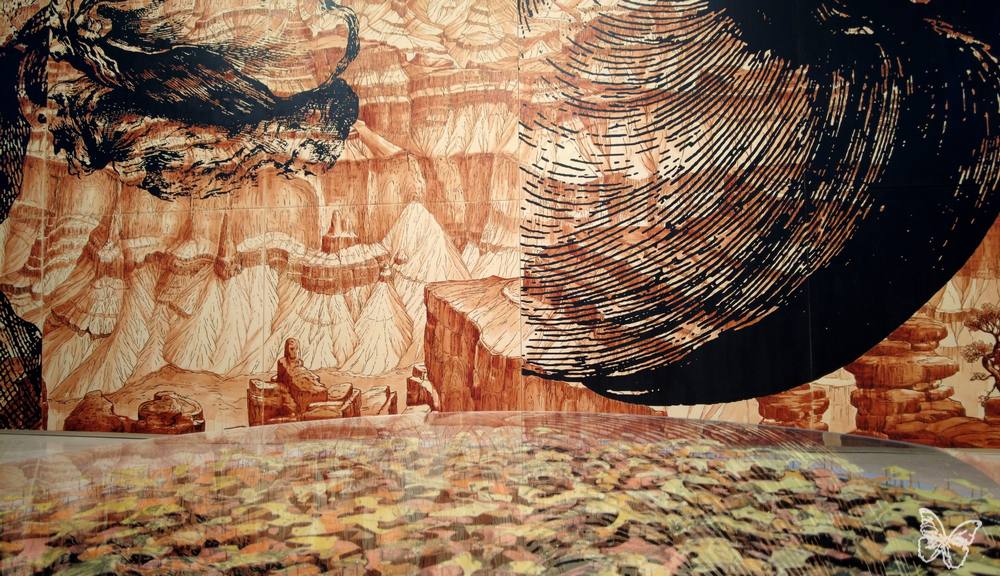
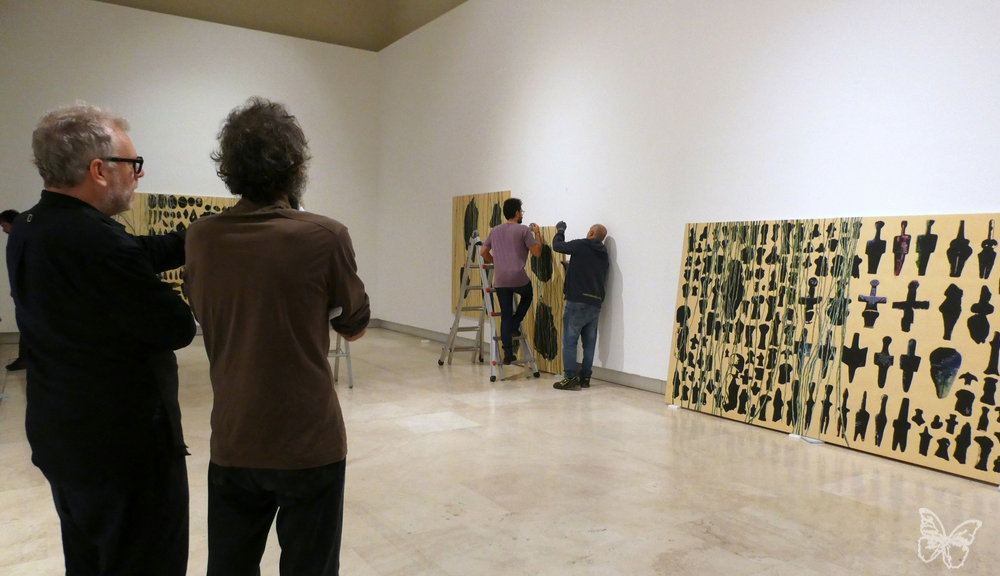
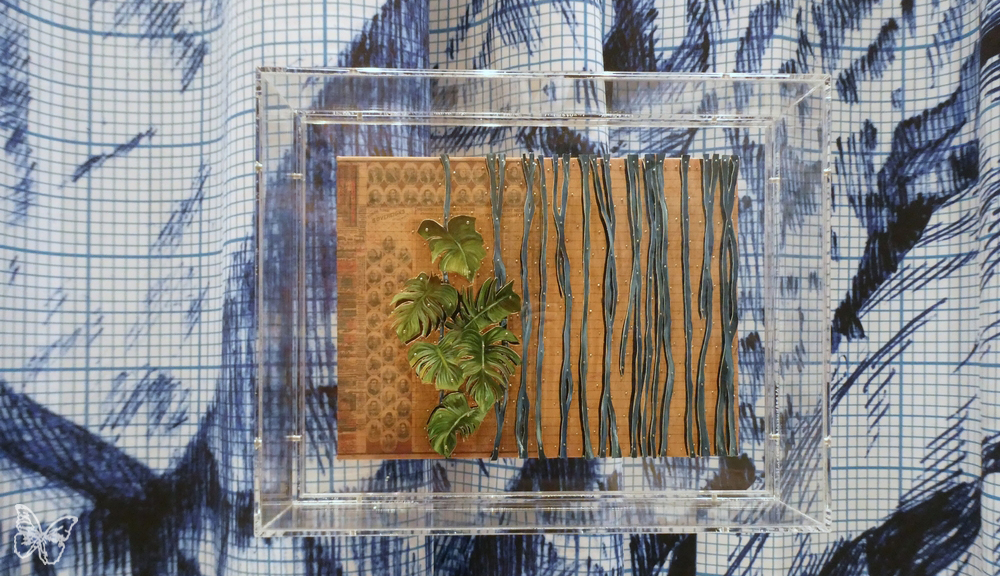
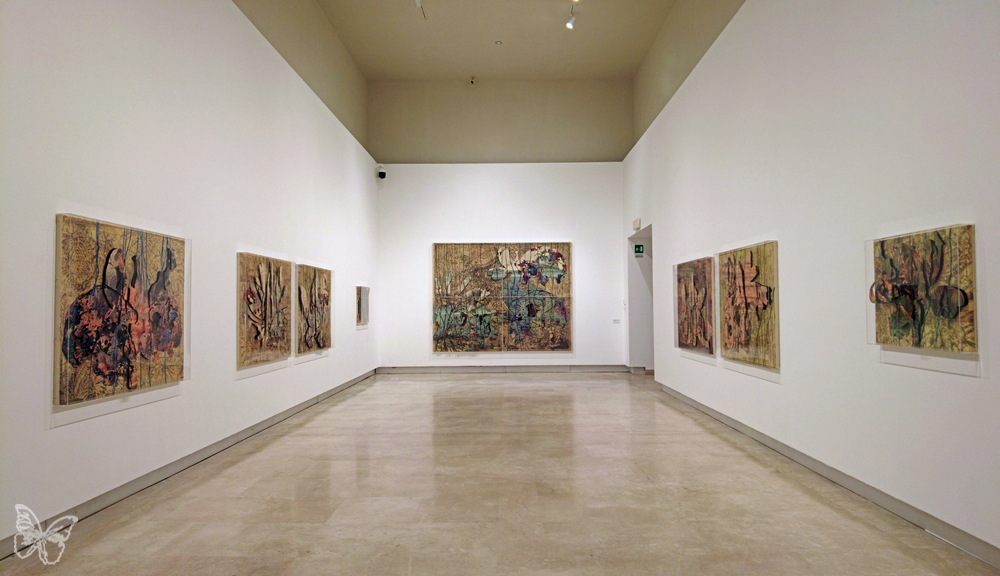
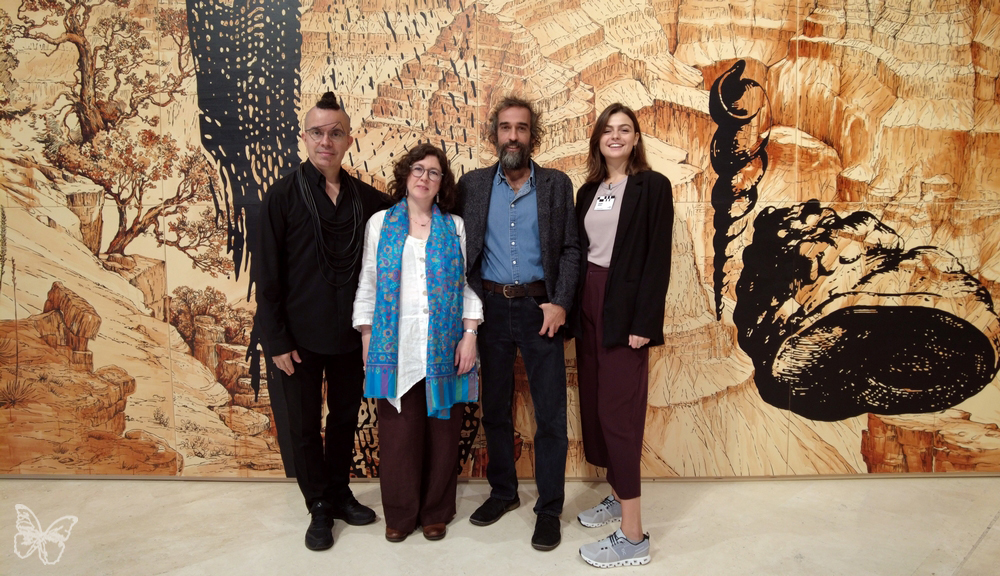
The room is intersected by a large self-supporting structure (4 metres by 21), on which he depicts a section of the Grand Canyon, painted in ink on canvased paper using the camaïeu technique (utilising different tones of the same colour, in this case, burnt sienna). Beyond this grand structure, the public finds themselves walking among traces of the Earth’s past life: 21 circular works of varying sizes, titled De Hortus, floating like water lilies on the white floor, creating a chromatic atmosphere of great visual impact.
The exhibition journey then moves into the Anthropocene, the geological era in which the Earth’s environment—understood as the sum of the physical, chemical, and biological characteristics that support and evolve life—has been influenced by the effects of human activity.
“If we boil down the Universe’s 13.8 billion years to a period of twelve months, the dinosaurs would appear around Christmas time – unbelievable! – while the first Homo Sapiens would only arrive on the scene a few minutes before the New Year’s fireworks.”
It is to these fleeting last minutes of our planet’s history that the subsequent three rooms are dedicated, where Pietro Ruffo explores human intervention in search of ‘marvel’.
In the second room, which showcases works on canvased paper, with cuts and ink drawings, visitors are immersed in a visual archive symbolically retracing the steps of our ancestors’ evolution, from the Neanderthal skulls of Saccopastore to votive figurines, the first emblem of abstract thought upon which societies are built.
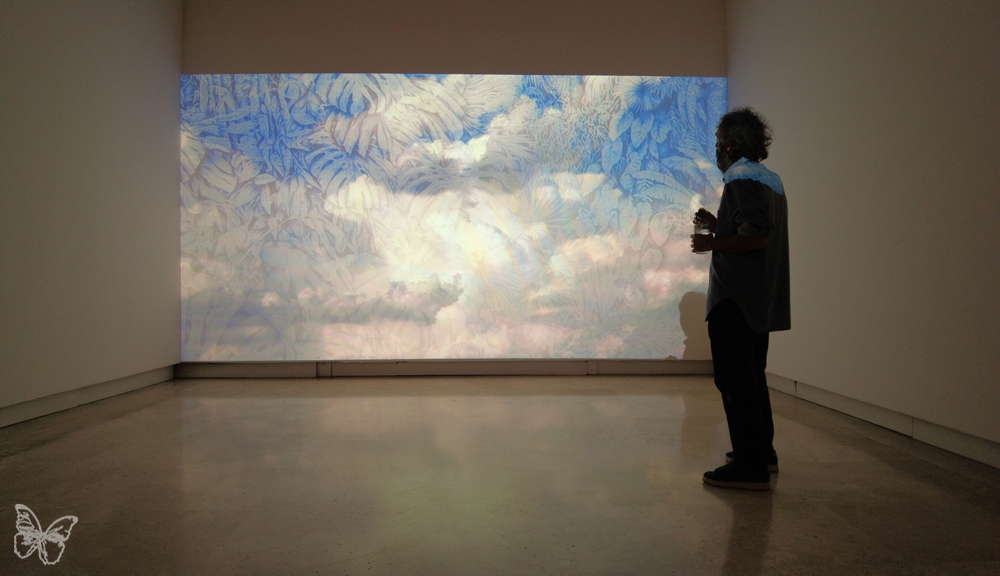
In the third room, with a radical change of scenery, visitors are enveloped in a video installation titled The Planetary Garden, created in collaboration with Noruwei. Inspired by the eponymous text by French philosopher Gilles Clément, the work gives three-dimensional form to the movement, shift, and transformation of the landscape over time.


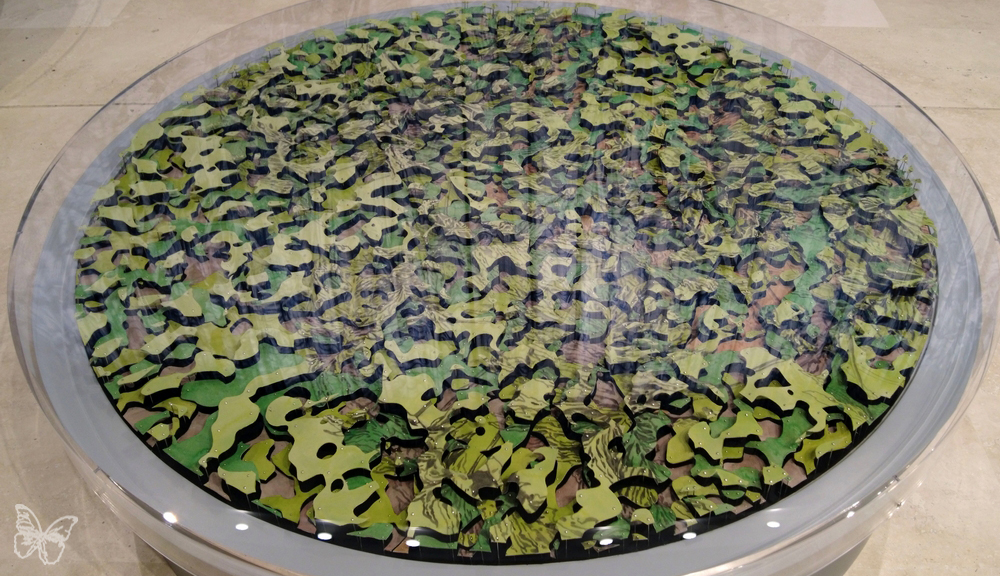
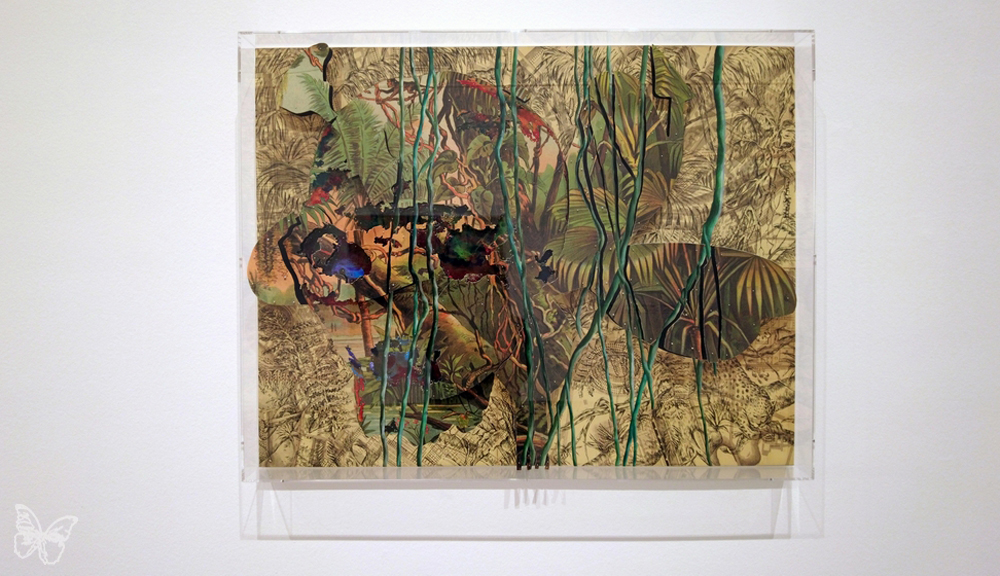

The final room, titled Antropocene attraverso le stratificazioni di Roma (The Anthropocene Through the Stratifications of Rome), features works entirely dedicated to the city. What was Rome like 2,777 years ago, at the time of its founding? And even earlier, when the streets we walk today were trodden by jaguars and rhinoceroses? Starting with the famous maps of the city by Giovanni Battista Nolli (1701-1756) and Luigi Canina (1775-1856), Ruffo overlays these with unexpected glimpses of natural landscapes, offering a novel walk through the history and prehistory of the Roman territory. The works in this room allow visitors to move from the depths of the sea (Anthropocene 77, Rome Under the Sea), to the primordial forest (Anthropocene 92, Rome Covered by a Primordial Forest), and then to the theatre of great architectural constructions (Anthropocene 51, Rome Imperial Period; Anthropocene 53, Rome Porta Maggiore, and others). The anthology of landscapes explored in these works presents a mosaic of historical and hypothetical future moments, in which each transformation is simultaneously the consequence of natural events and human intervention. Cuts in canvased paper, pen drawings, oil paintings, and reliefs come together in a compositional harmony that invites deep observation.
The palaeoclimatologist Rebecca Wragg Sykes, in her renowned work Neanderthals: Life, Art, Love and Death, referring to Carl Sagan’s ‘cosmic calendar’, writes:
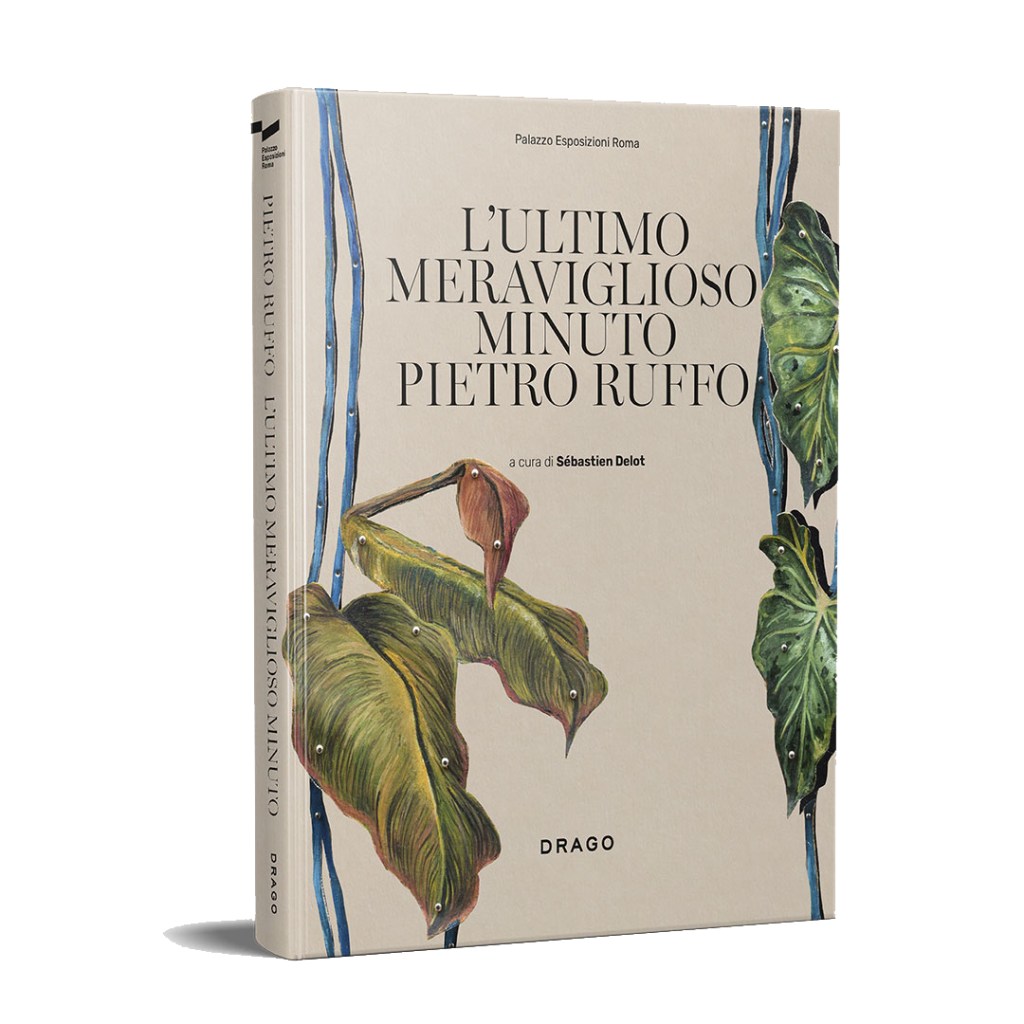
The exhibition also features a catalogue curated by Sébastien Delot, with contributions from the curator, Guido Rebecchini, Rebecca Wragg Sykes, and Sofia Di Gravio, published by Drago.
Through marvel, Pietro Ruffo’s works offer a unique visual and immersive experience, shedding new light on the environmental issues that permeate our everyday existence in society.
Portrait of Pietro Ruffo by Georgio Benni

PIETRO RUFFO
L’ultimo meraviglioso minuto
Palazzo Esposizioni Roma
Via Nazionale, 194, 00184 Roma RM, Italy
 butterflyartnews.com