Tag Archives: FEATURED

Pietro Ruffo exhibition at Palazzo Esposizioni Roma

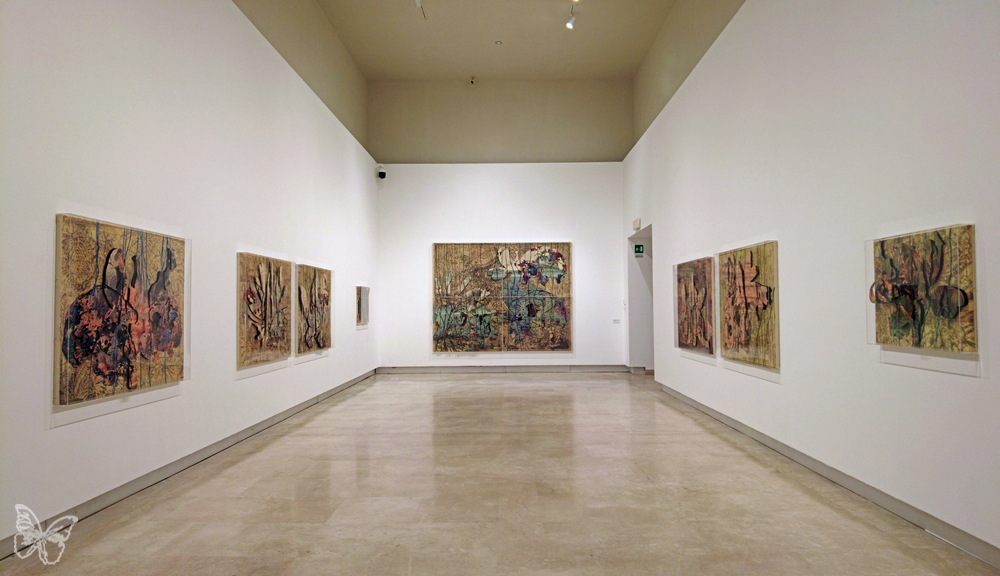
Palazzo Esposizioni Roma presents L’ultimo meraviglioso minuto, an exhibition by contemporary Italian artist Pietro Ruffo, from 29 October until 16 February 2025.

Curated by Sébastien Delot, Director of the collections and mediation of the Musée National Picasso in Paris, the show is the largest solo exhibition by Ruffo ever held by a public institution to date.

Through more than 50 works, mostly created specifically for this exhibition, the artist explores the impact of Man on planet Earth, exploring the legitimacy of the term Anthropocene, the alleged geological era of man, and condensing the history of our planet and knowledge, and pays a great tribute to the City of Rome.

The exhibition plays on the dilation and contraction of time and space, the history of the planet and humanity—within the singular space and time of the encounter with the artworks.

The exhibition begins 55 million years ago. The title of the first room, Le monde avant la création de l’homme (The World Before the Creation of Man), is borrowed from the book by Camille Flammarion, subtitled “origines de la terre, origines de la vie, origines de l’humanité” ,1886.)

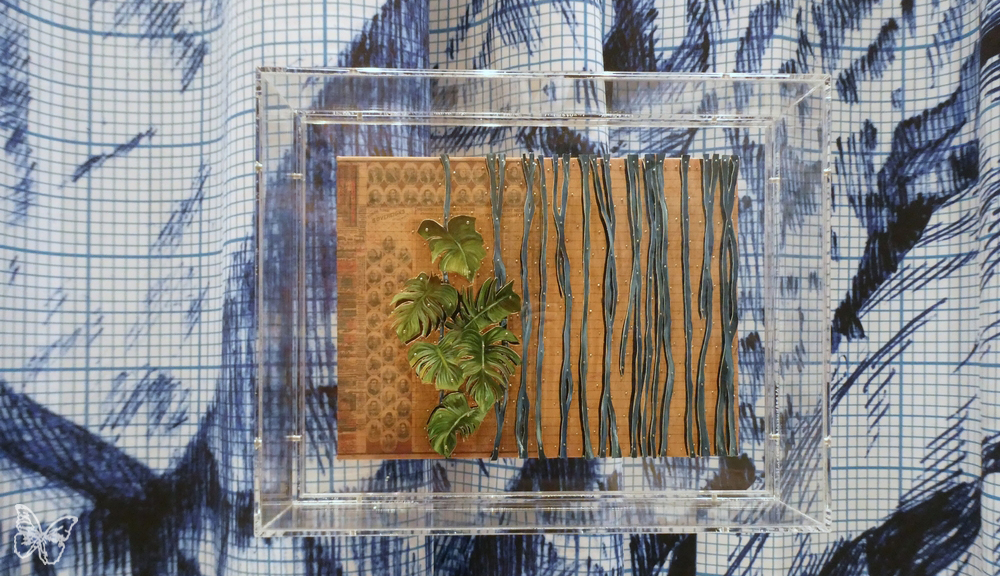
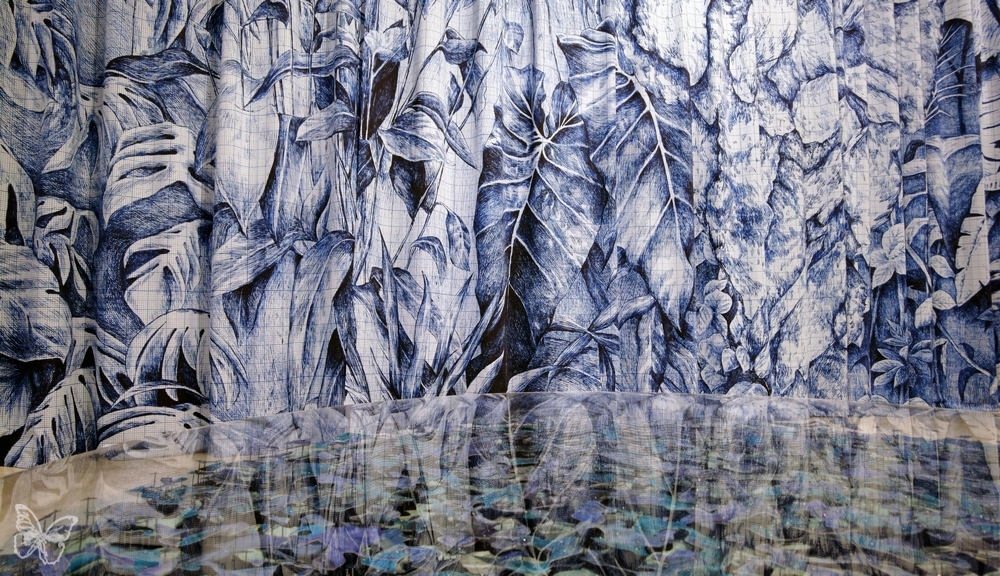
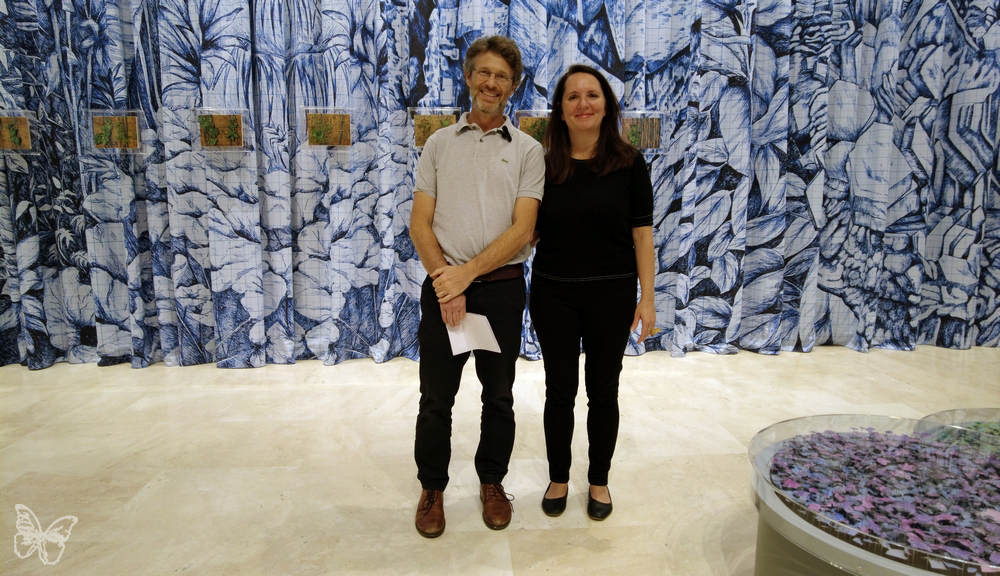
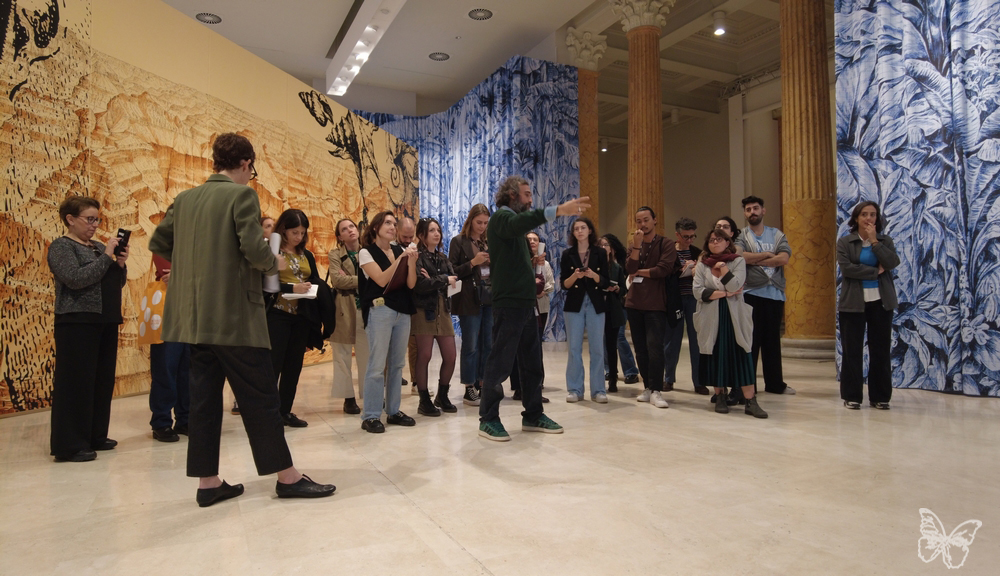
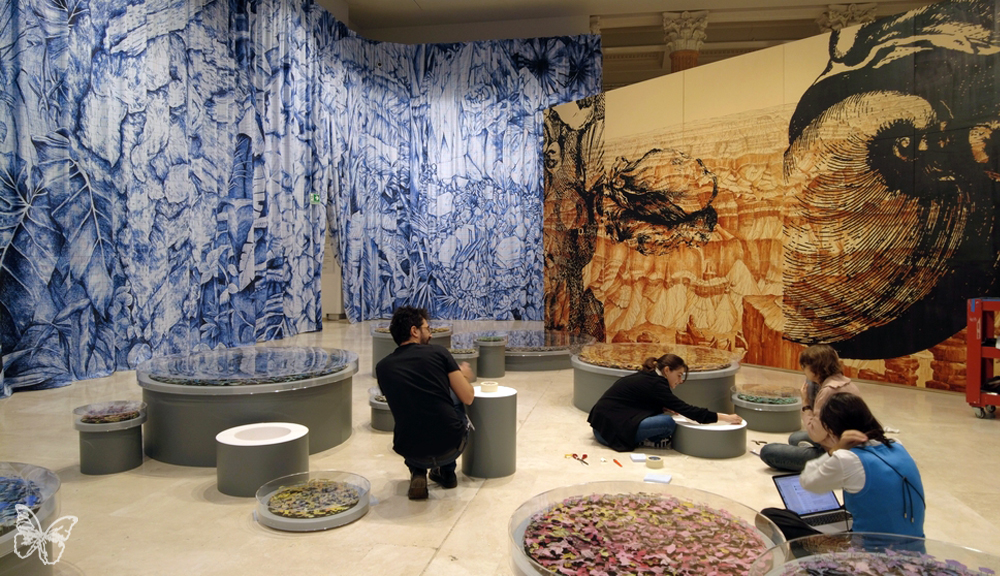
Ruffo outlines the characteristic elements of this planet. Using a ballpoint pen, he draws a primordial forest, creating an immense curtain (700 square metres) running along the entire perimeter of the space (Primordial Forest), surrounding visitors with images of plants and minerals, that evokes the time when tropical jungles covered much of the Earth’s surface.

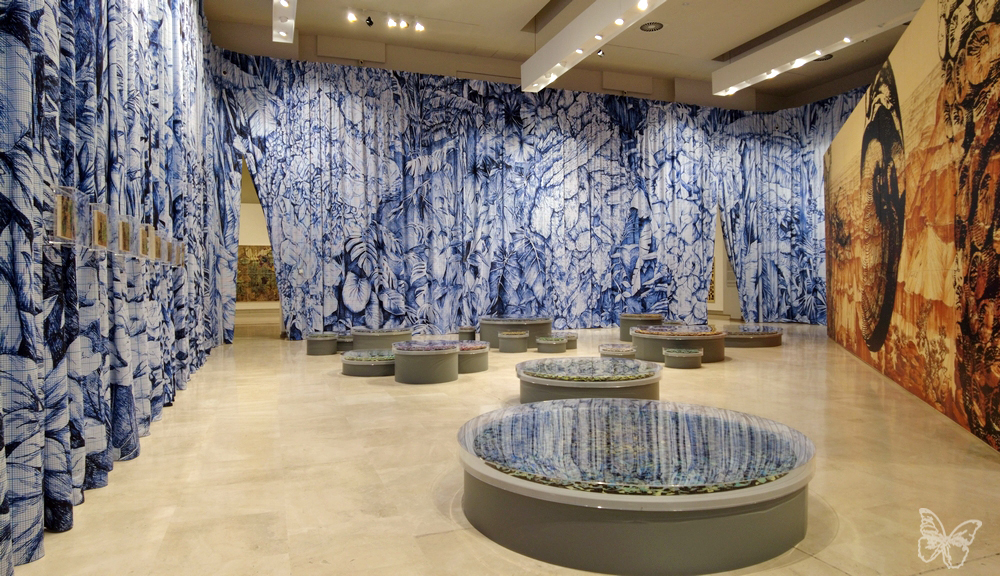
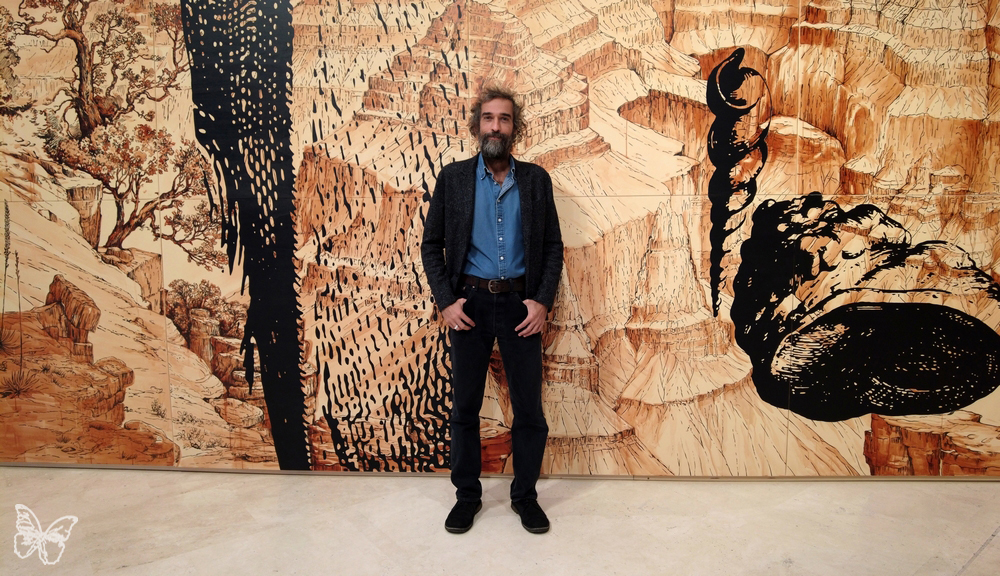
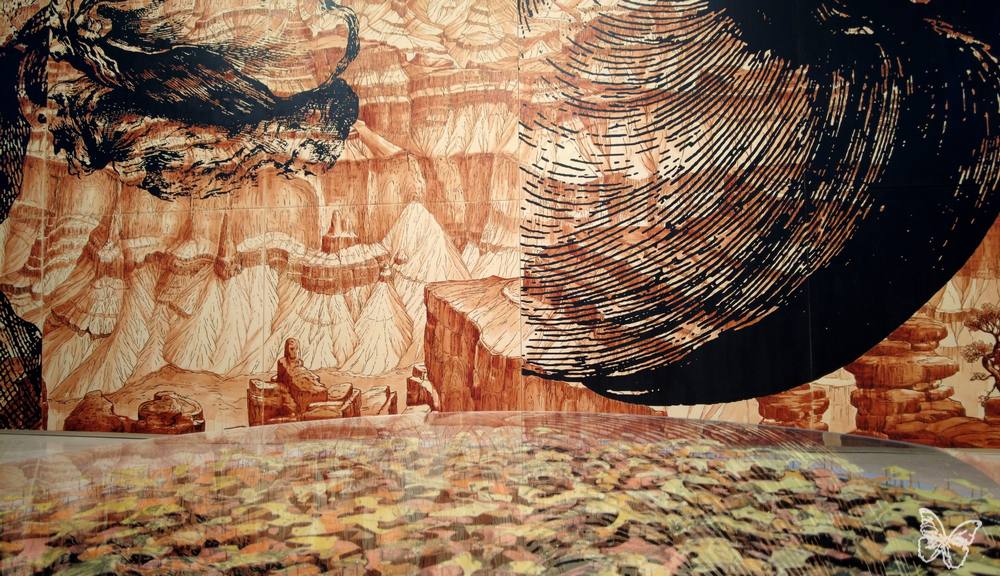
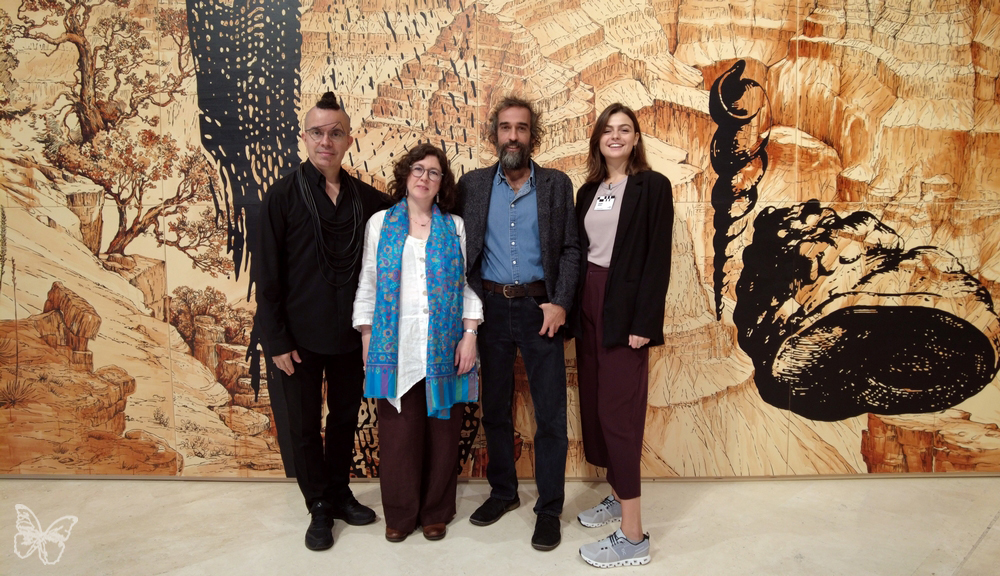
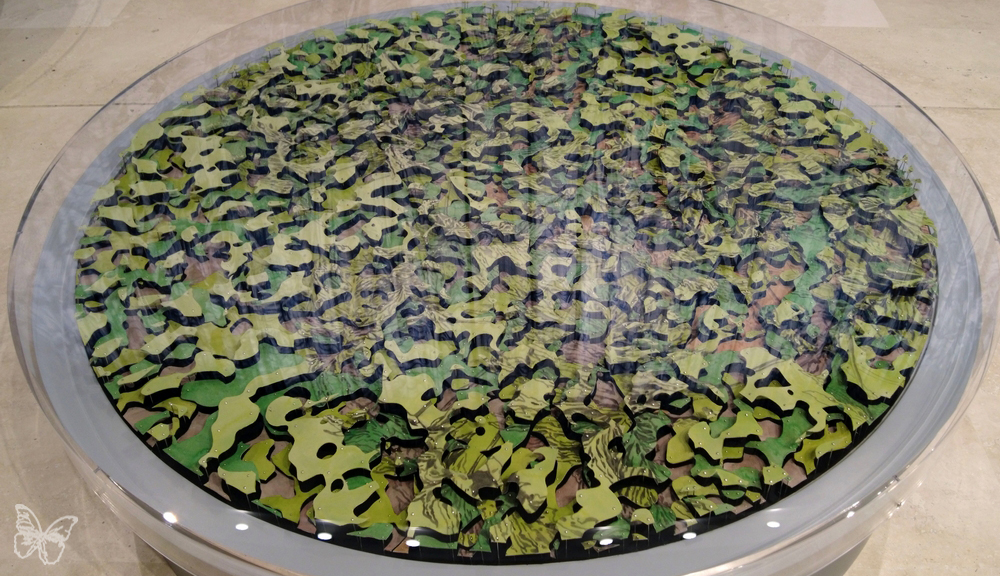
The room is intersected by a large self-supporting structure (4 metres by 21), on which he depicts a section of the Grand Canyon, painted in ink on canvased paper using the camaïeu technique (utilising different tones of the same colour, in this case, burnt sienna). Beyond this grand structure, the public finds themselves walking among traces of the Earth’s past life: 21 circular works of varying sizes, titled De Hortus, floating like water lilies on the white floor, creating a chromatic atmosphere of great visual impact.

The exhibition journey then moves into the Anthropocene, the geological era in which the Earth’s environment—understood as the sum of the physical, chemical, and biological characteristics that support and evolve life—has been influenced by the effects of human activity.

“If we boil down the Universe’s 13.8 billion years to a period of twelve months, the dinosaurs would appear around Christmas time – unbelievable! – while the first Homo Sapiens would only arrive on the scene a few minutes before the New Year’s fireworks.”

It is to these fleeting last minutes of our planet’s history that the subsequent three rooms are dedicated, where Pietro Ruffo explores human intervention in search of ‘marvel’.

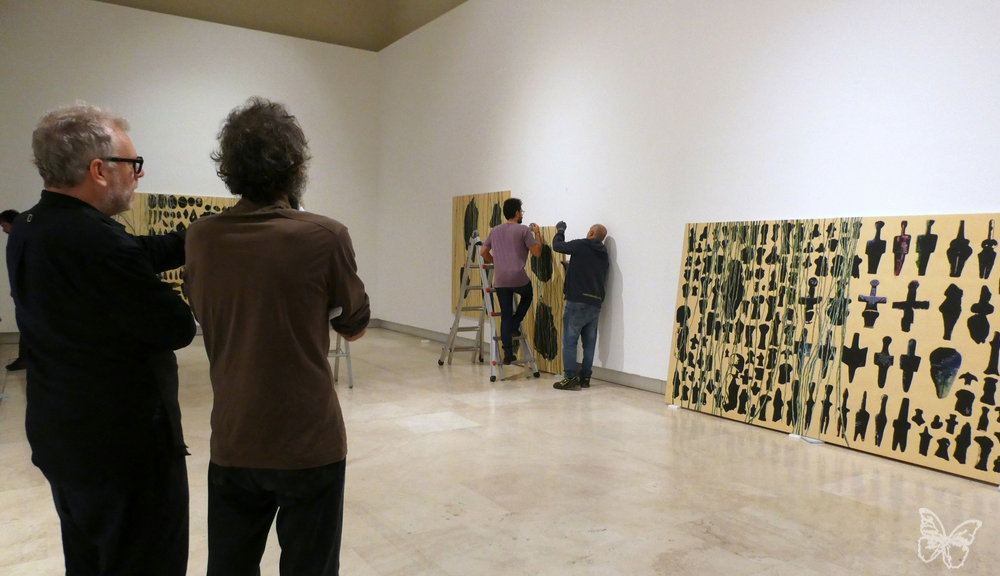
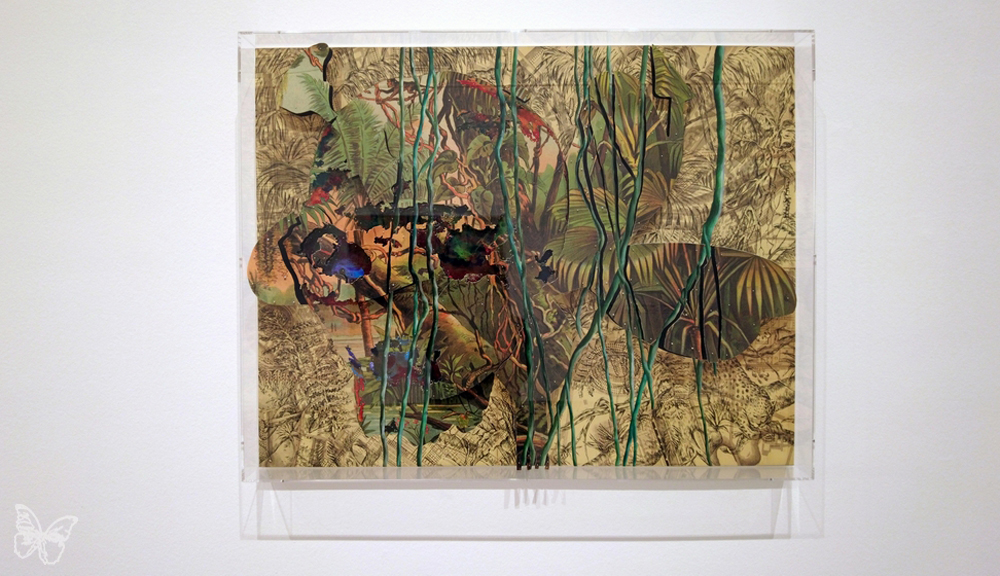
In the second room, which showcases works on canvased paper, with cuts and ink drawings, visitors are immersed in a visual archive symbolically retracing the steps of our ancestors’ evolution, from the Neanderthal skulls of Saccopastore to votive figurines, the first emblem of abstract thought upon which societies are built.

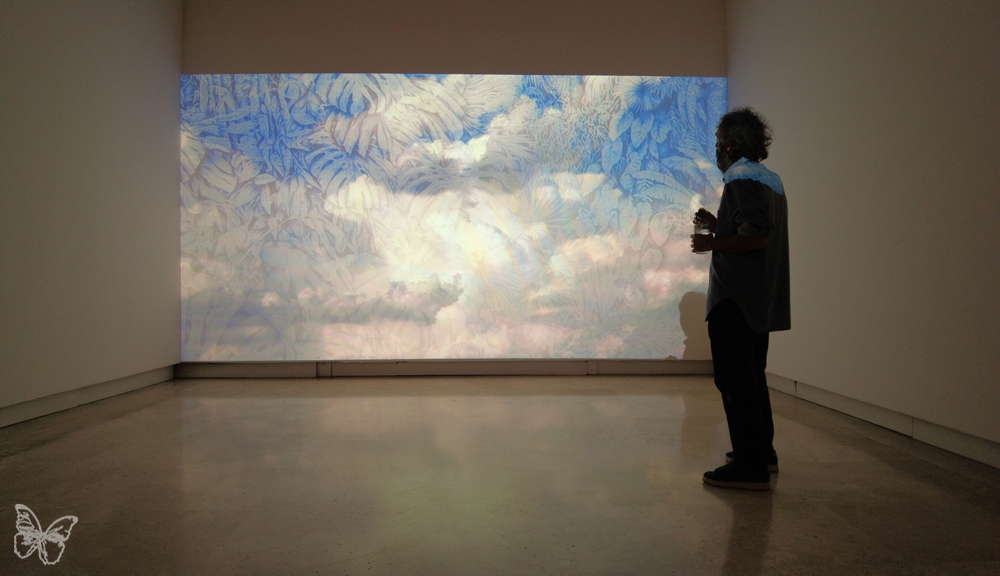
In the third room, with a radical change of scenery, visitors are enveloped in a video installation titled The Planetary Garden, created in collaboration with Noruwei. Inspired by the eponymous text by French philosopher Gilles Clément, the work gives three-dimensional form to the movement, shift, and transformation of the landscape over time.

The final room, titled Antropocene attraverso le stratificazioni di Roma (The Anthropocene Through the Stratifications of Rome), features works entirely dedicated to the city. What was Rome like 2,777 years ago, at the time of its founding? And even earlier, when the streets we walk today were trodden by jaguars and rhinoceroses? Starting with the famous maps of the city by Giovanni Battista Nolli (1701-1756) and Luigi Canina (1775-1856), Ruffo overlays these with unexpected glimpses of natural landscapes, offering a novel walk through the history and prehistory of the Roman territory. The works in this room allow visitors to move from the depths of the sea (Anthropocene 77, Rome Under the Sea), to the primordial forest (Anthropocene 92, Rome Covered by a Primordial Forest), and then to the theatre of great architectural constructions (Anthropocene 51, Rome Imperial Period; Anthropocene 53, Rome Porta Maggiore, and others). The anthology of landscapes explored in these works presents a mosaic of historical and hypothetical future moments, in which each transformation is simultaneously the consequence of natural events and human intervention. Cuts in canvased paper, pen drawings, oil paintings, and reliefs come together in a compositional harmony that invites deep observation.

The palaeoclimatologist Rebecca Wragg Sykes, in her renowned work Neanderthals: Life, Art, Love and Death, referring to Carl Sagan’s ‘cosmic calendar’, writes:
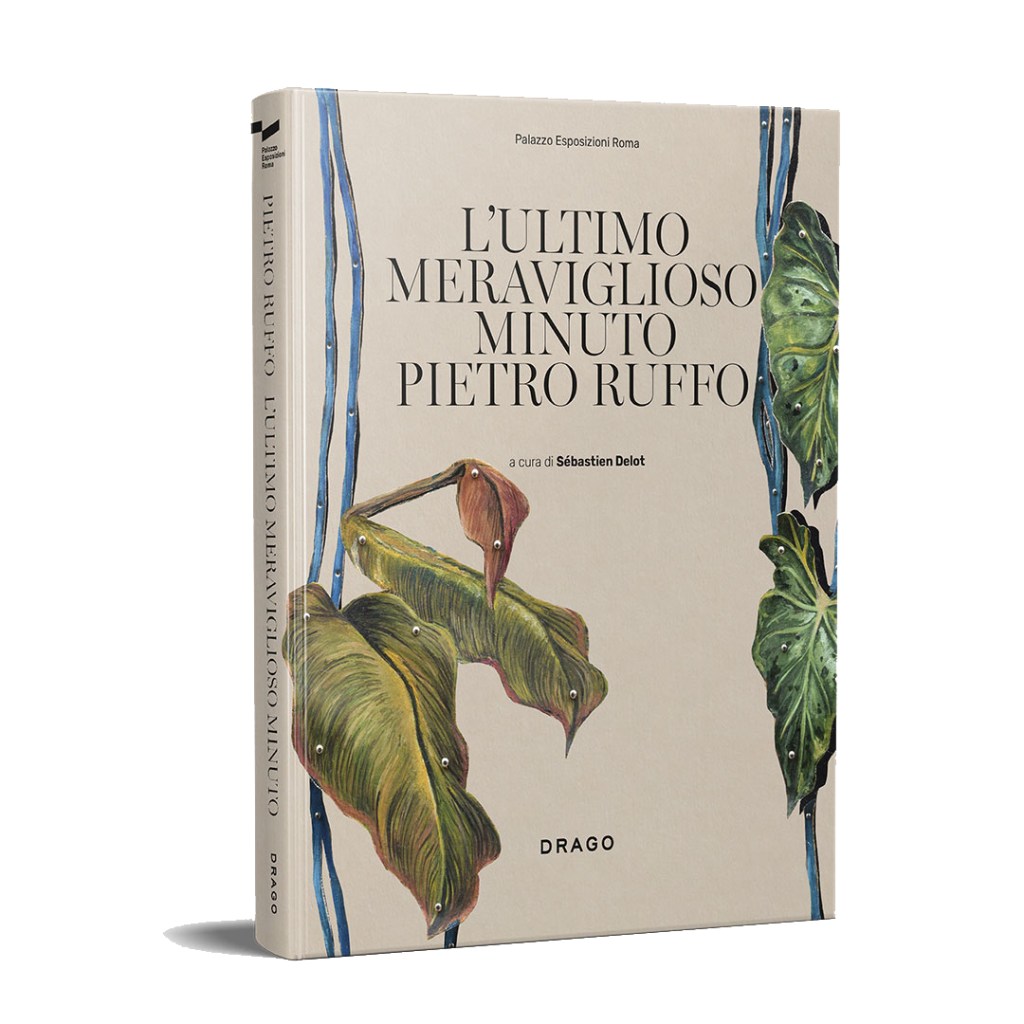
The exhibition also features a catalogue curated by Sébastien Delot, with contributions from the curator, Guido Rebecchini, Rebecca Wragg Sykes, and Sofia Di Gravio, published by Drago.

Through marvel, Pietro Ruffo’s works offer a unique visual and immersive experience, shedding new light on the environmental issues that permeate our everyday existence in society.

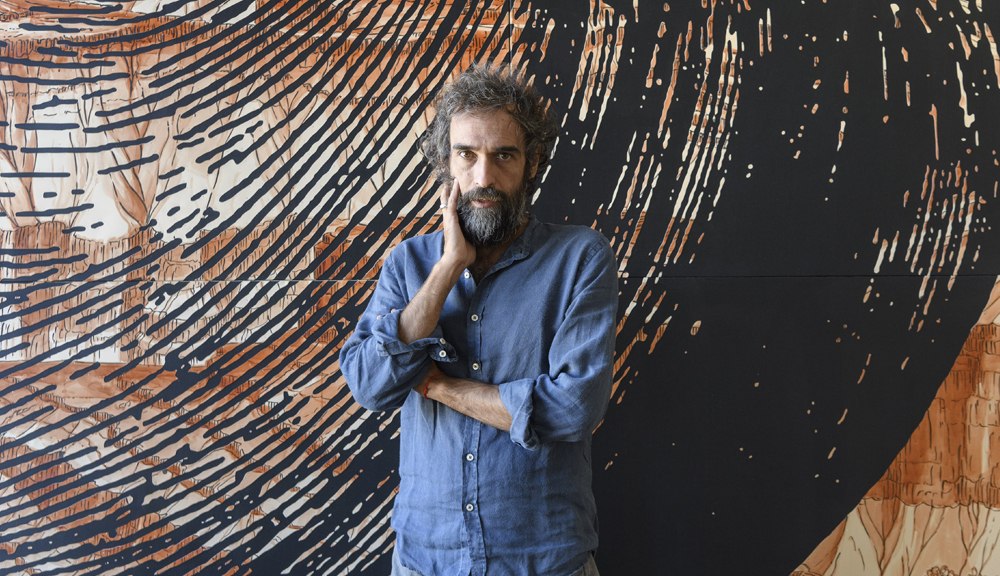
Portrait of Pietro Ruffo by Georgio Benni

PIETRO RUFFO

L’ultimo meraviglioso minuto

Palazzo Esposizioni Roma

Via Nazionale, 194, 00184 Roma RM, Italy
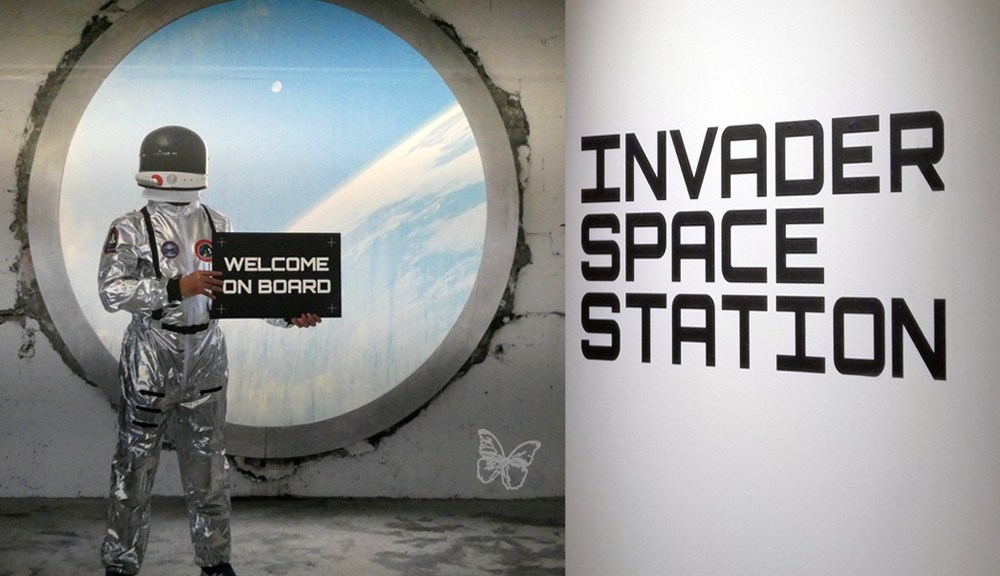
INVADER SPACE STATION

The French artist Invader is taking over an entire building in central Paris and transforming it into a space station: the INVADER SPACE STATION. It’s a strategic location, 11 rue Béranger (75003) in the former offices of the newspaper ‘Libération’. Back in 2011 Invader created a giant mural on its rooftop, visible from satellite.

Curated by Fabrice Bousteau, editorial director of Beaux Arts Magazine, this massive exhibition of 3500 m² spans accross the last four floors of the nine storey building.

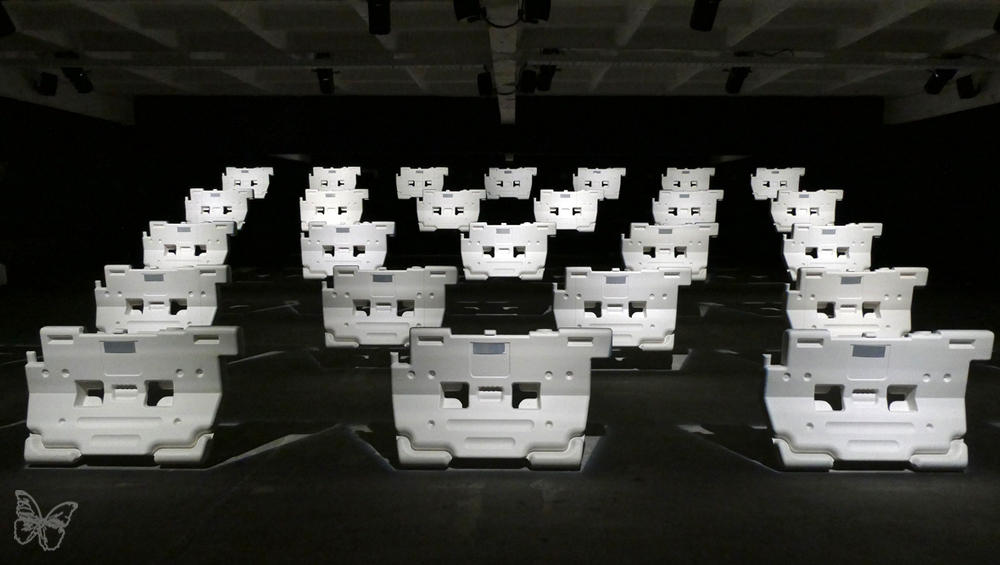
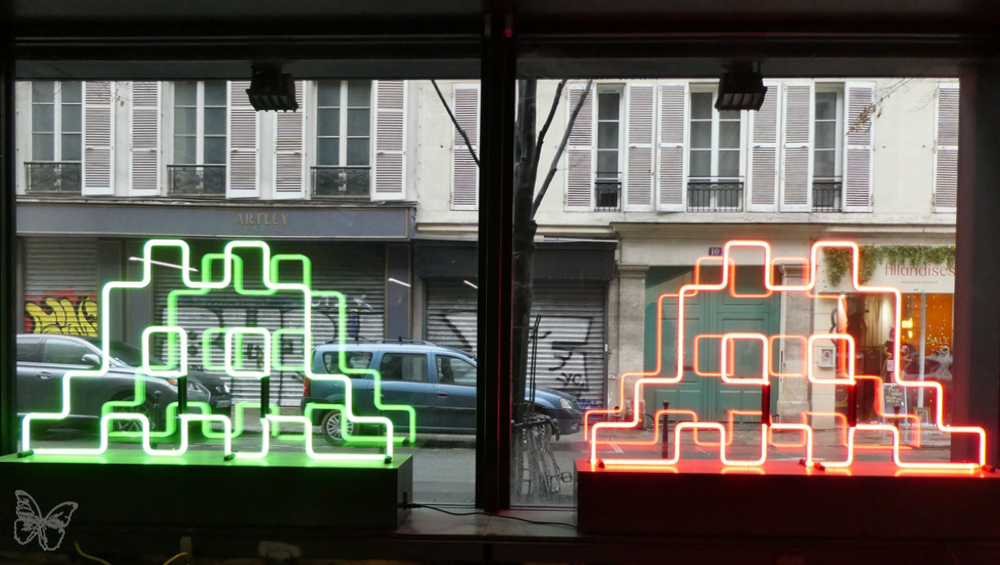
Upon entering the INVADER SPACE STATION, we are immersed with a SPACE BATTLE, a large scale installation made of road dividers you might see on construction sites. The artist invites the viewer to look again at our surroundings during our everyday ‘s life. Invader mentions : ‘Somewhere between ready-made, arte povera and installation, I’ve used them here to recreate the army of pixelated aliens as seen on the opening screen of the game Space Invaders’. Full with lighting effects and sound !

INVASION OF PARIS

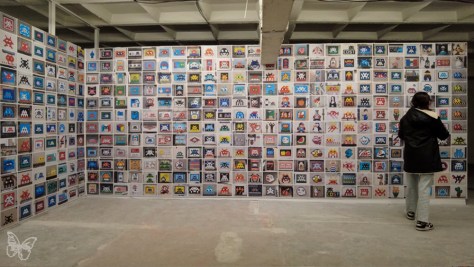
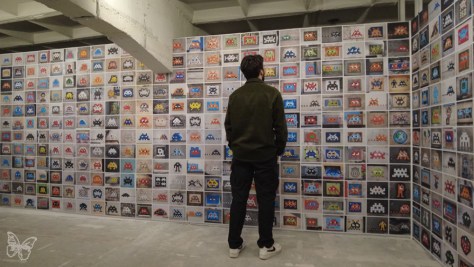
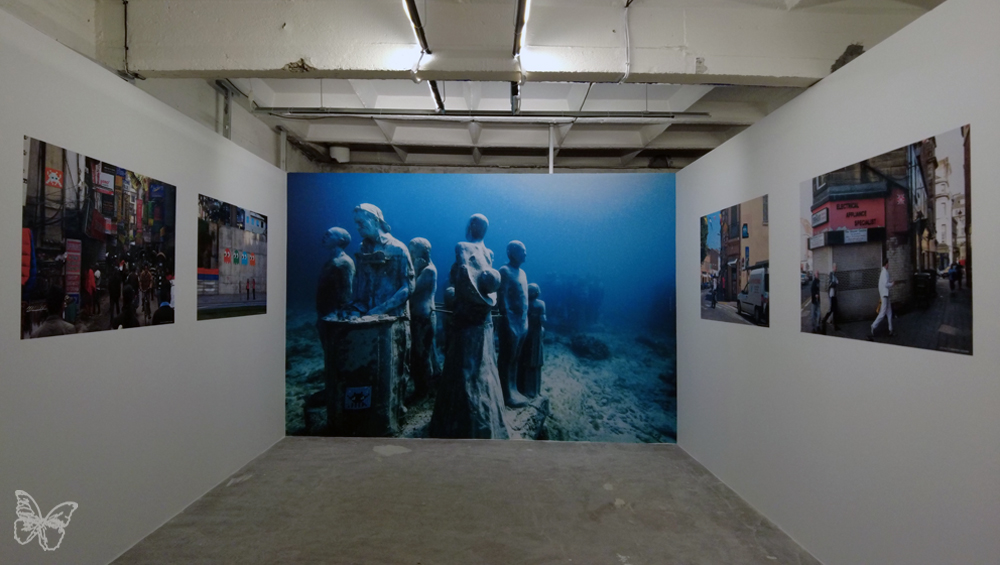
Since 1998 the artist has been leveraging the city of Paris as his playground. A gigantic map displays all 1500 mosaics installed in the streets of Paris with their exact location, as well as close up pictures of each individual ones in chrononological order, showcasing the artist’s prolific nature across 25 years.

We have the opportunity to view from a telescope the latest mosaic in Paris, named PA1500 which has just been revealed at the Centre Pompidou, Museum of Contemporary Art.

FLASHINVADERS APP

A screen displays a real-time stream of all the successful flashes on the FLASH INVADER app. Long before the app Pokemon Go, INVADER set up the FlashInvaders app in 2014. To participate, players just need to ‘flash’ (photograph) the mosaics in the streets throughout the world. Based on the photo and the player’s position, when the information is validated, the app adds the piece to their collection and the player gains some points and progress through the global ranking of players. Gathering 350,000 players and almost 23 million validated flashes, there is indeniably a strong community.
INVADING THE WORLD

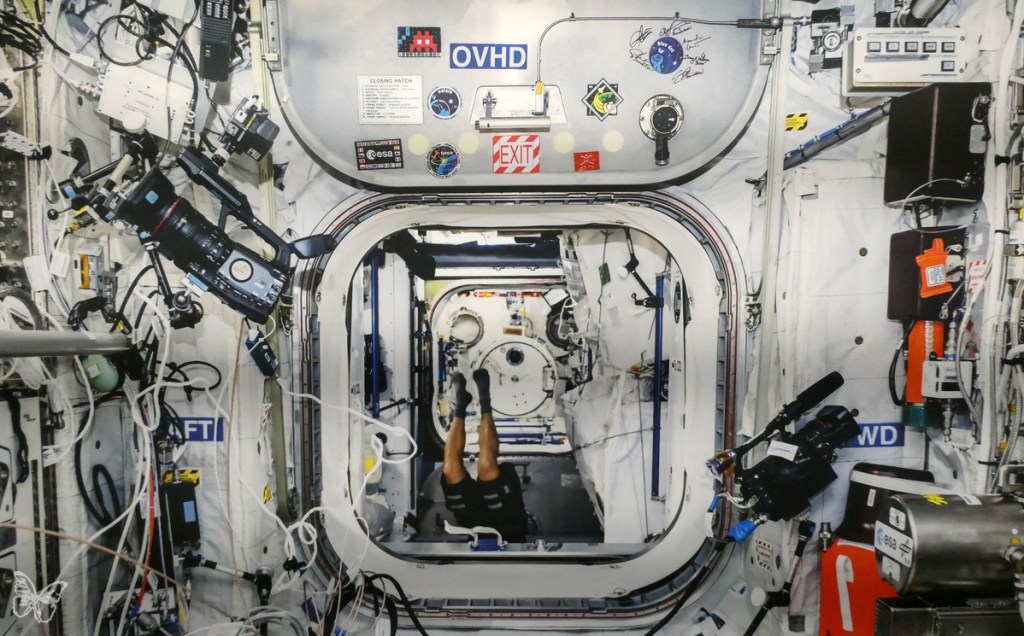
The illegal mosaic invasion has taken on a planetary dimension from the start and INVADER travelled extensively to surprising locations to spread its mosaics around the world. Featured in a chronological order, a selection of pictures offers the viewer a glimpse of the international scope and insane risk taking and energy deployed during 25 years, to place mosaics in various cities internationally as well as reaching deep sea levels and outer space in the ISS station.
VIDEOS AND PROJECTION ROOM

Through his through his various missions, INVADER has also captured hundreds of thousands of photographs, as well as many hours of footage INVADER SPACE STATION shares some gems from the artist’s own archive on video loops as well as a large projection room with different screening programmes through the weeks.

ARTWORKS

In parallel to INVADER’s street illegal practice, the artist has also been producing artworks .

A section is dedicated to a retrospective of all INVADER’s works on paper, from screenprints, etchings to lithographs.

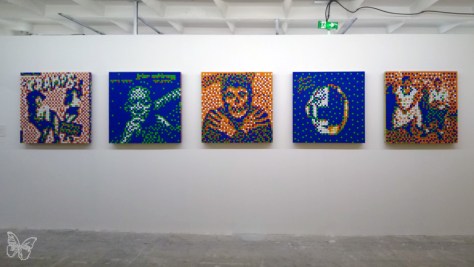
Since 2005, the artists has been incorporating Rubik’s cubes to create figurative sculptures and paintings called ‘Rubikcubism’, transforming a playful object into an artistic medium.

For the first time we discover that INVADER is also a big collector of Kinder Surprise figures, and is looking to use them in his practice as artistic material.

PARTICIPATE

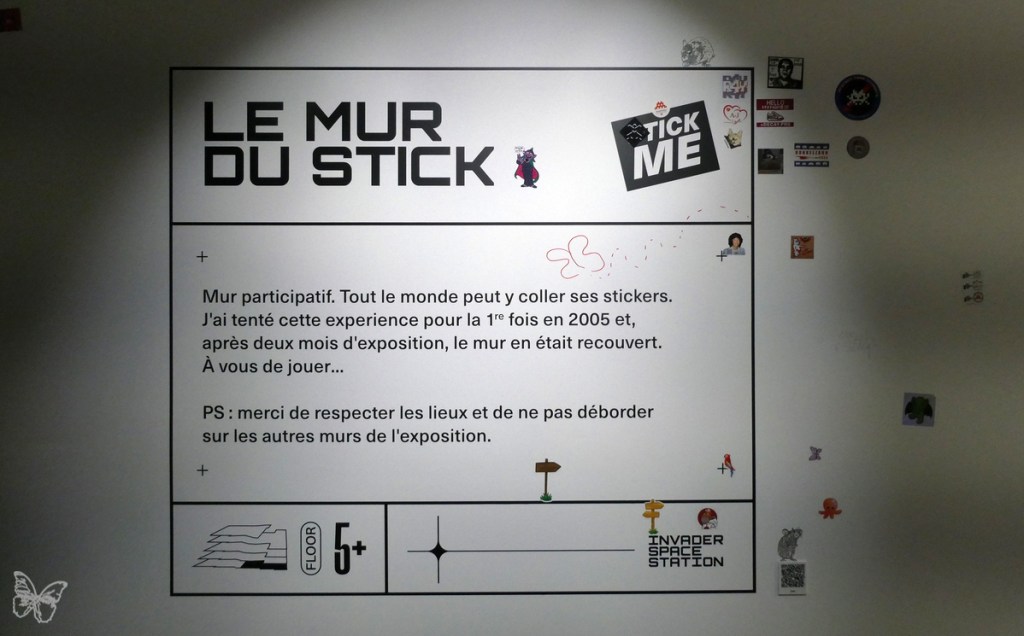
Stickers are a big part of the INVADER community. From automated sticker machines, where visitors can buy and swap their collector items, to a massive participative wall where anyone can stick it. So bring your stickers and be part of the INVADER SPACE STATION !

INVADER SPACE STATION

From 17 February to 5 May 2024

Prebooked tickets can be purchased on invaderspacestation.seetickets.com/timeslot/invader-space-station

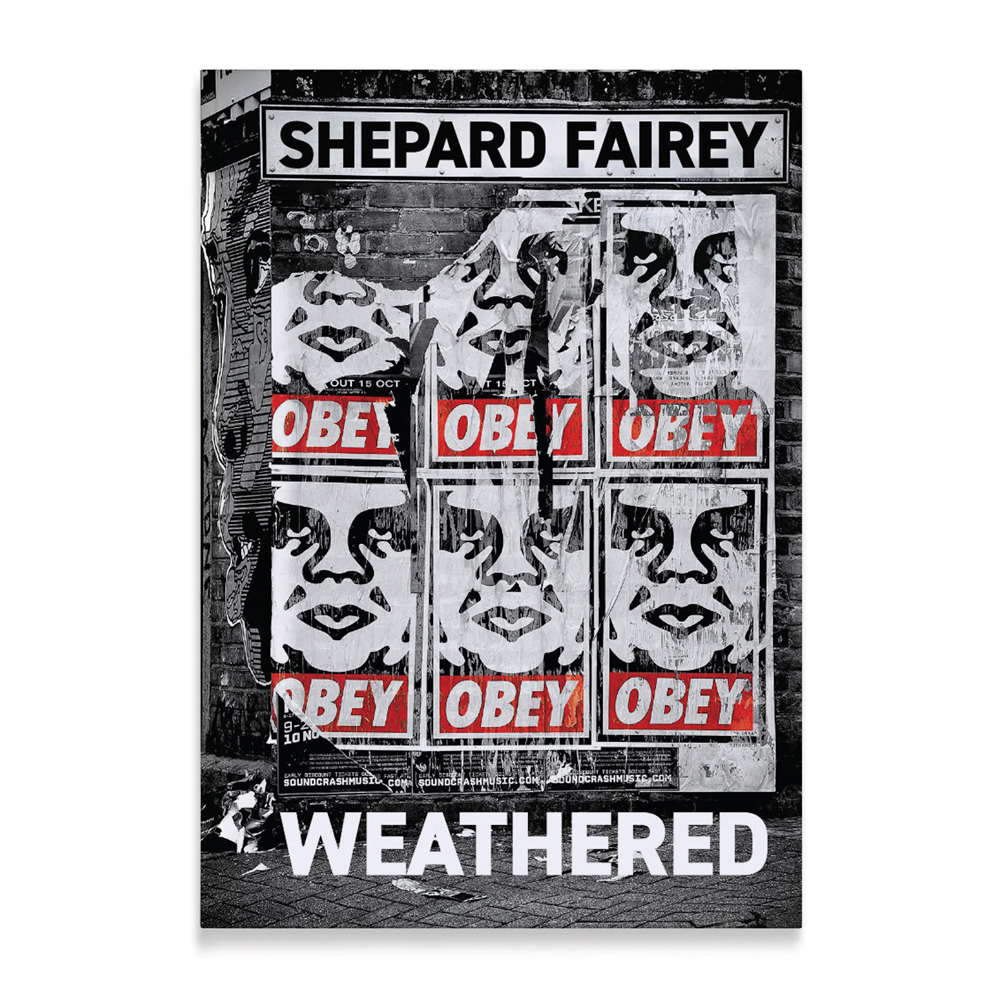
Book release : Shepard Fairey ‘Weathered’

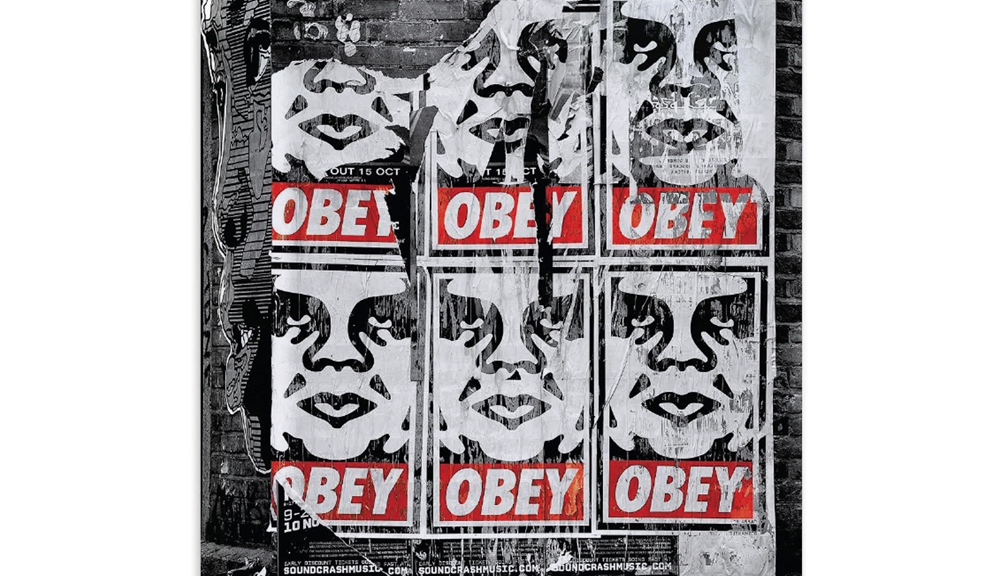
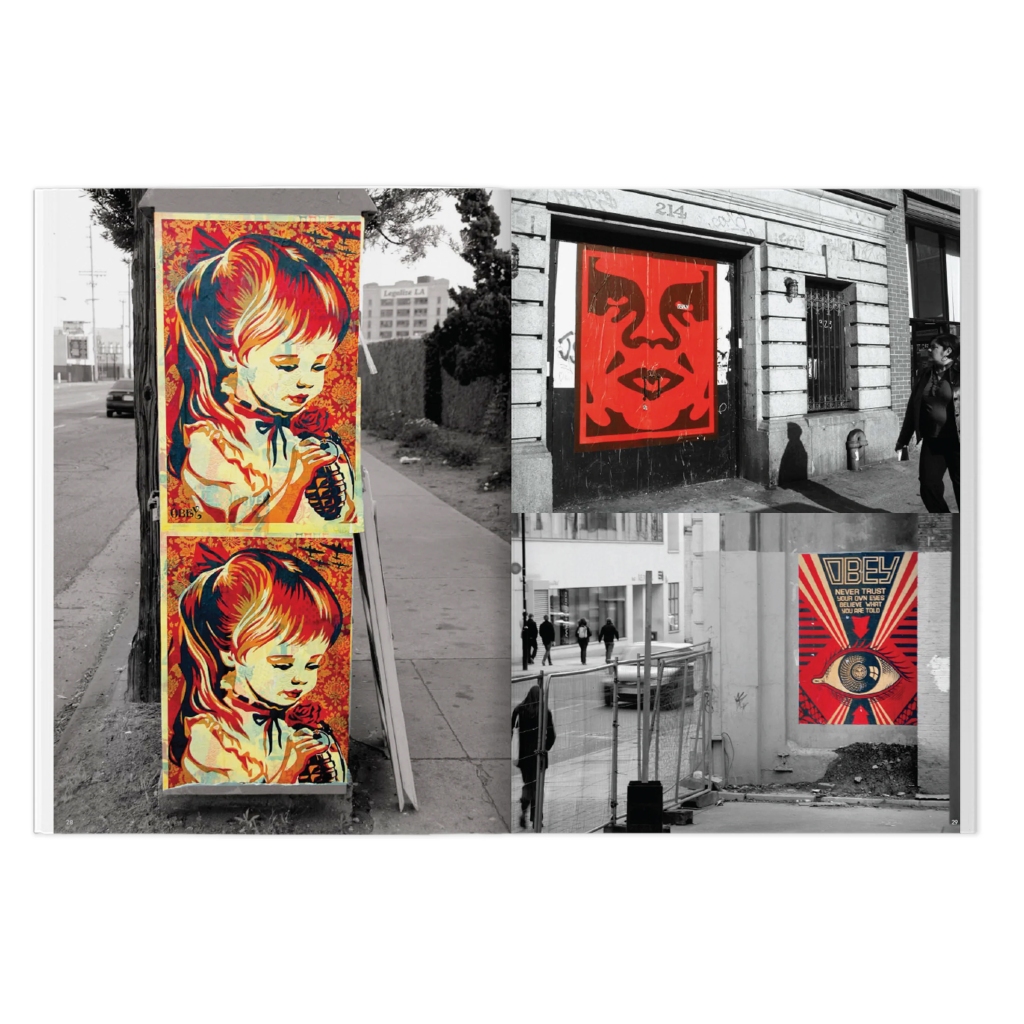
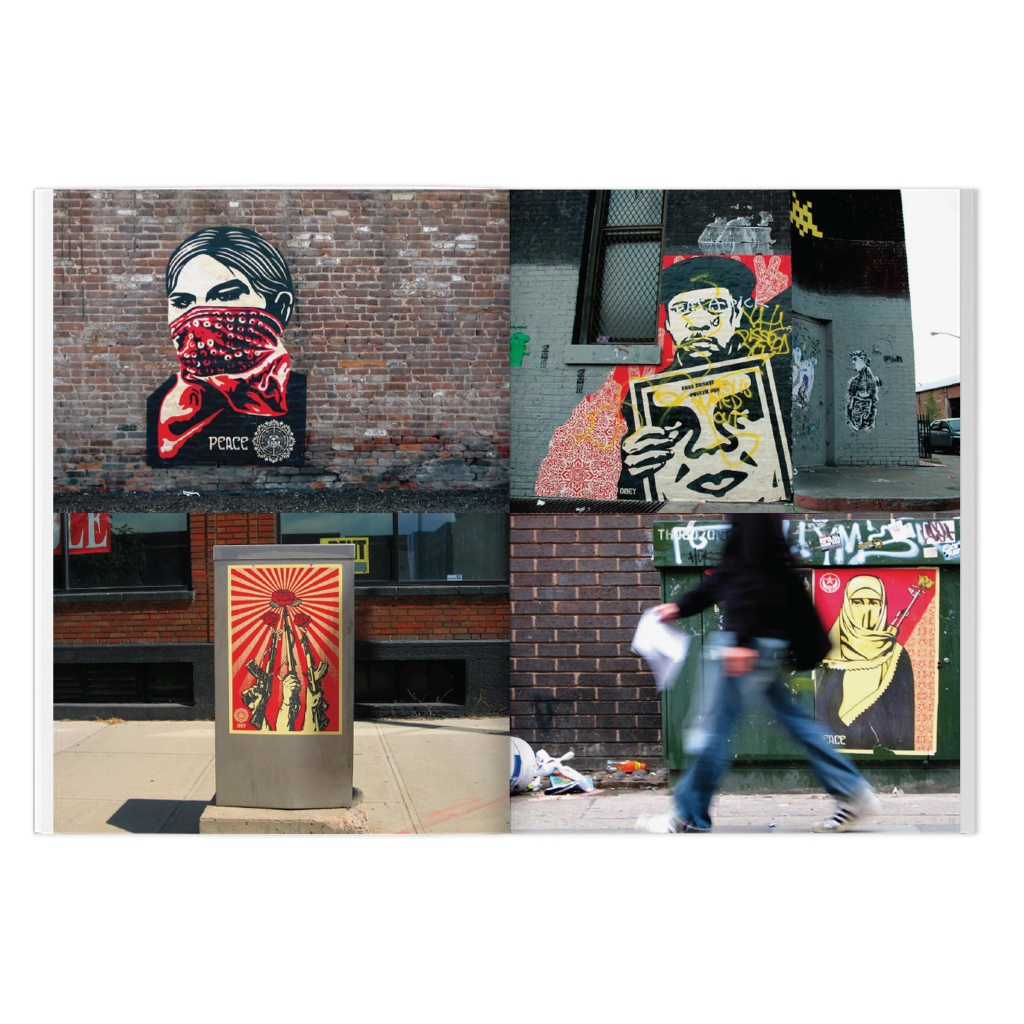
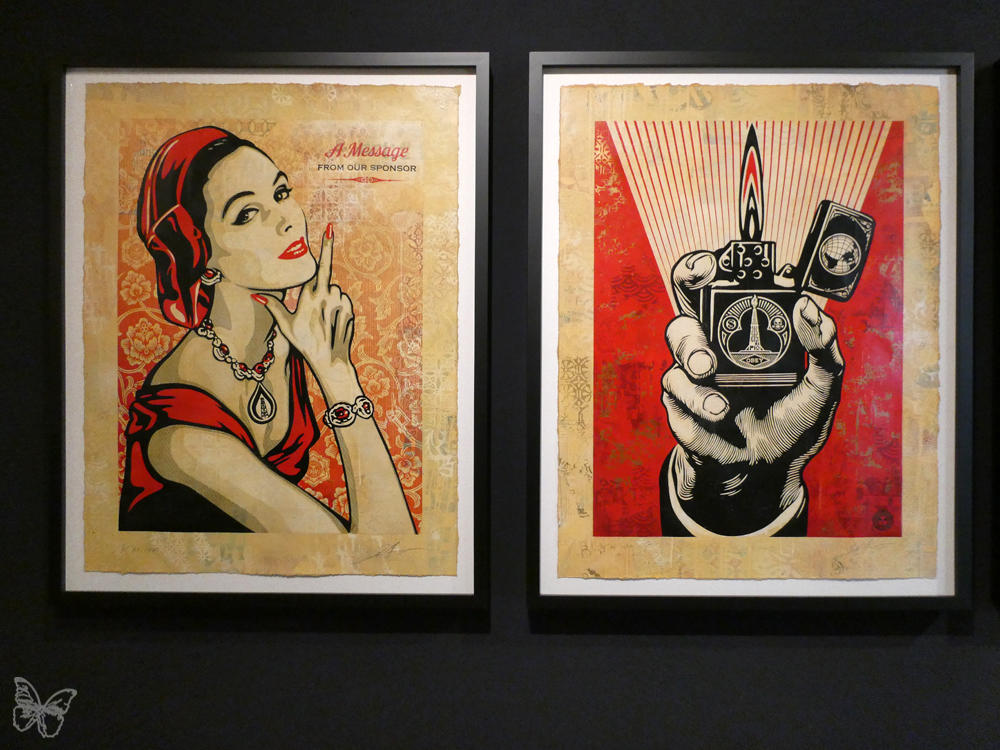
We are pleased to have contributed to the latest book featuring the unsanctioned art of Shepard Fairey ‘Weathered’ by BEYOND THE STREETS Publishing, with pictures of stickers and posters from the past 20 years, from LA, New York, London, Paris, Berlin, Malaga, Grenoble and more.

Shepard Fairey
Weathered 2023
Softcover, 97 Pages
8.5 x 11 in (21.6 cm x 27.94 cm)
Published by BEYOND THE STREETS
1st Edition of 500

First seen at BEYOND THE STREETS London at Saatchi Gallery.  Weathered  is now available online for the first time. 

“Working on the street” means working in different environments and climates.  I know my street art will not last forever, so seeing my work weeks, months, and even years later, after the elements and other artists have degraded or embellished it, is always one of the best parts of the process. -Shepard Fairey.

Get your copy here

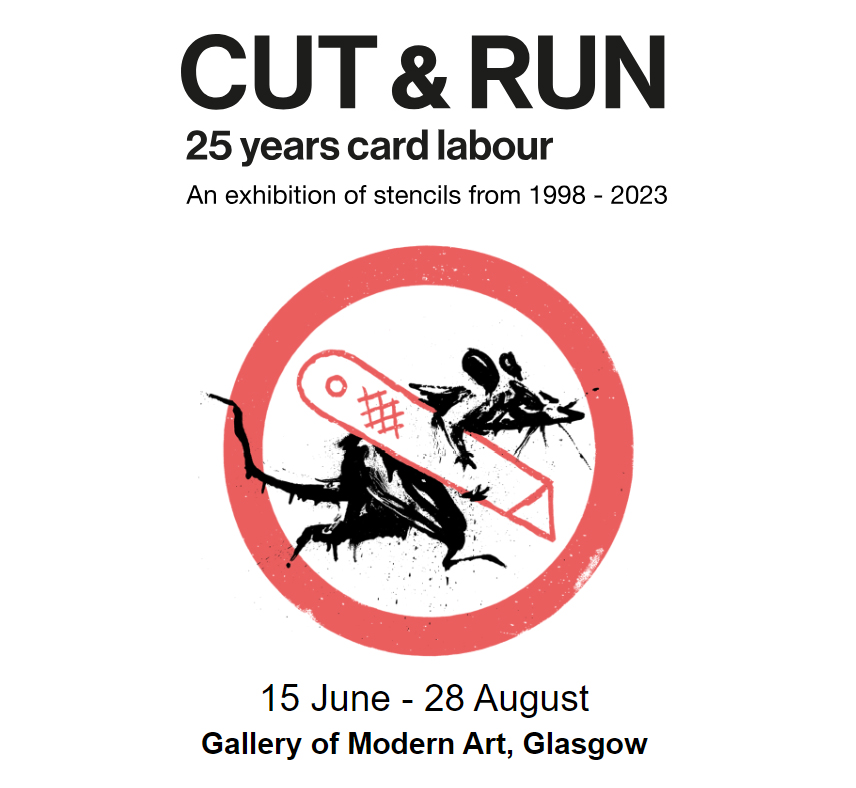
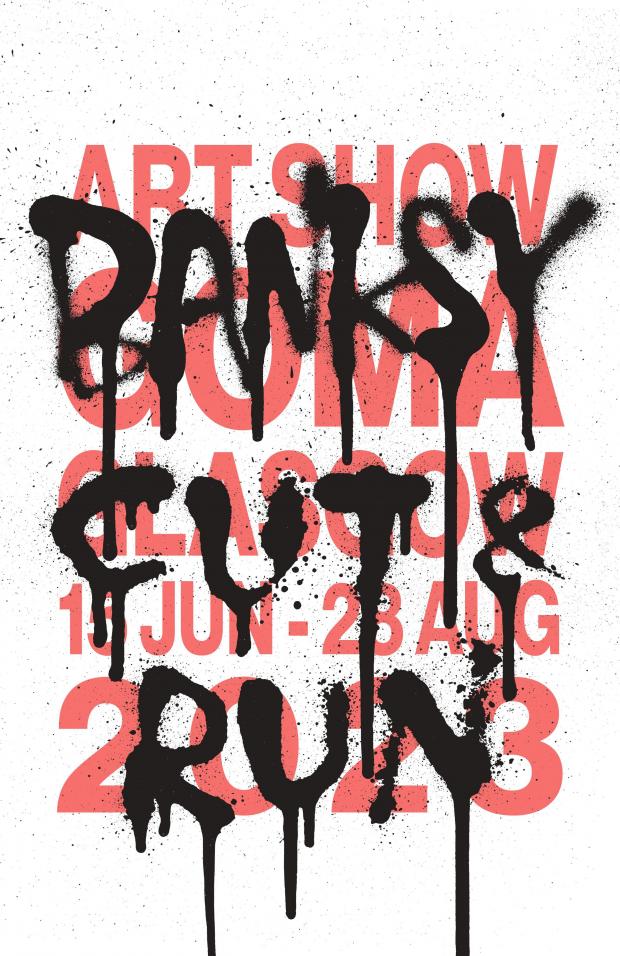
Banksy – Cut & Run exhibition in Glasgow

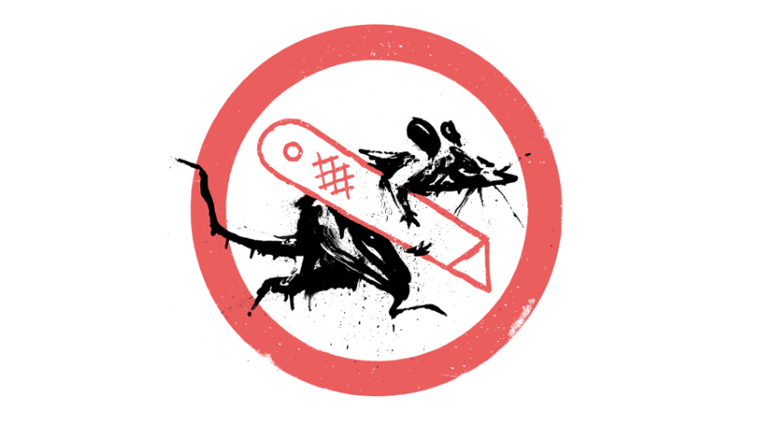
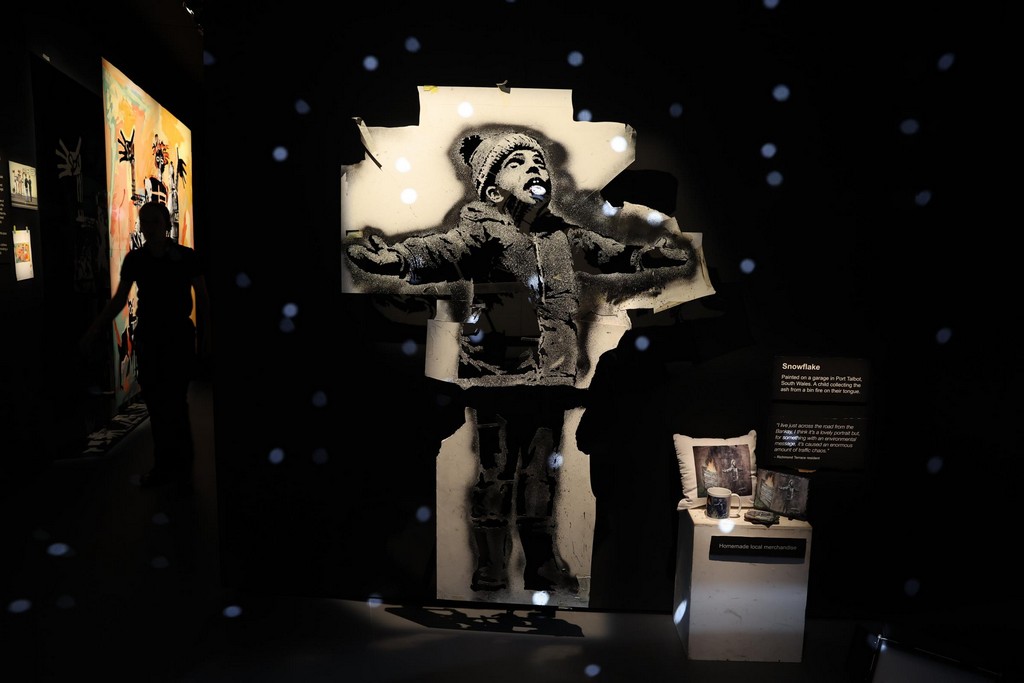
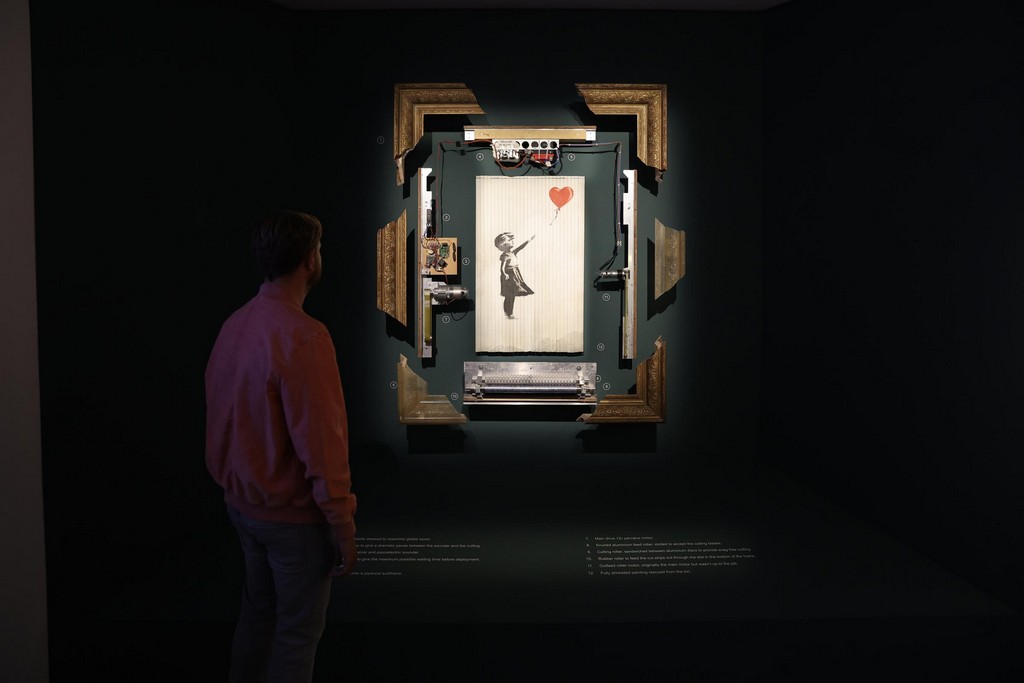
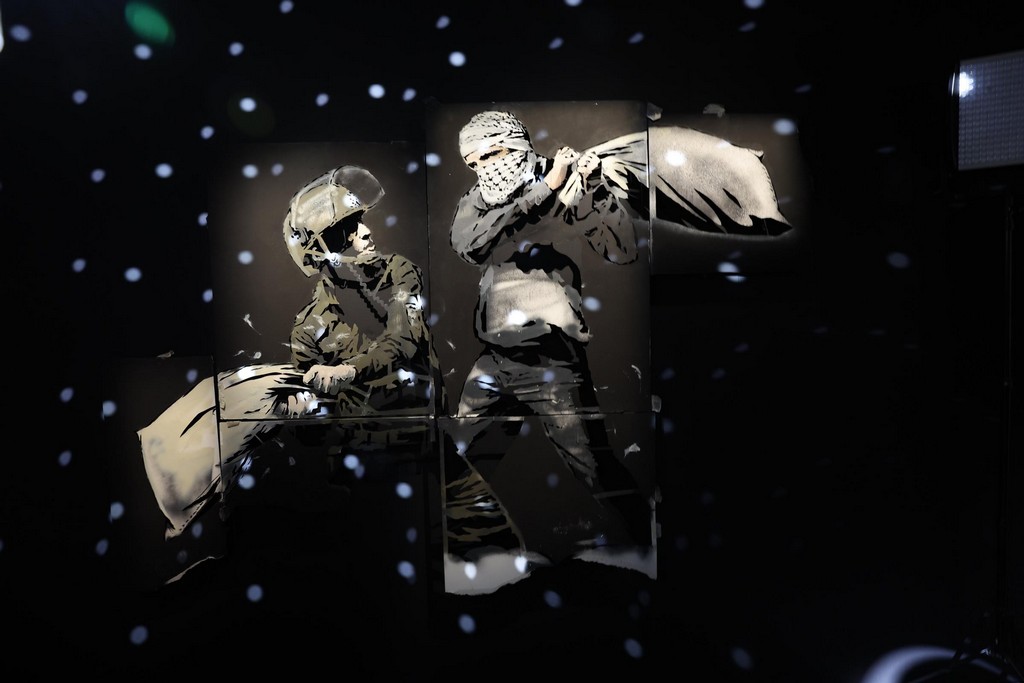
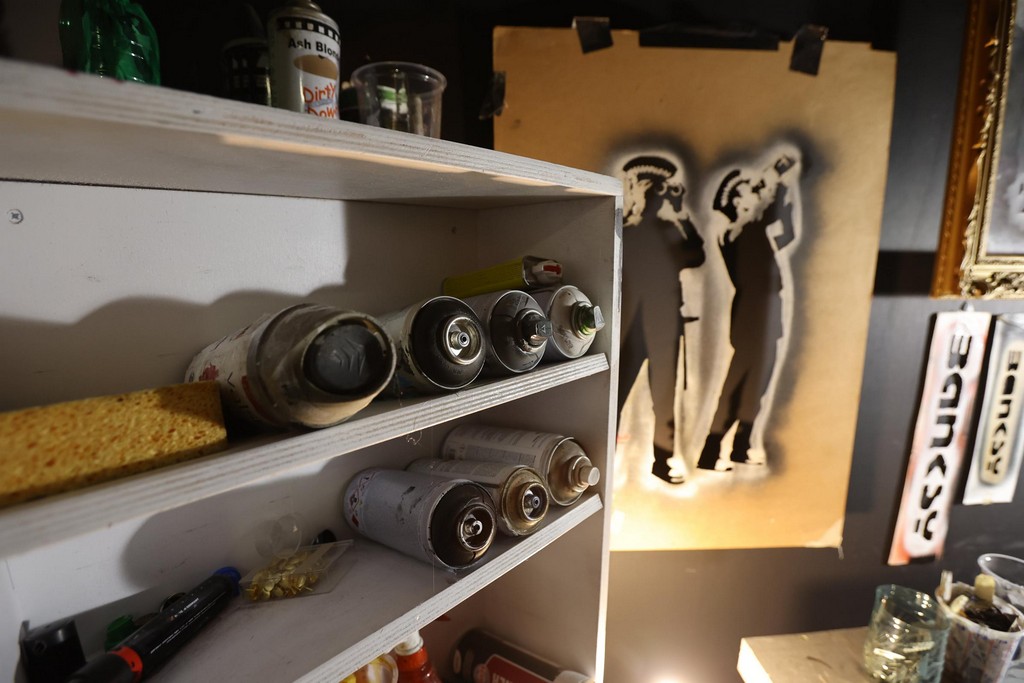
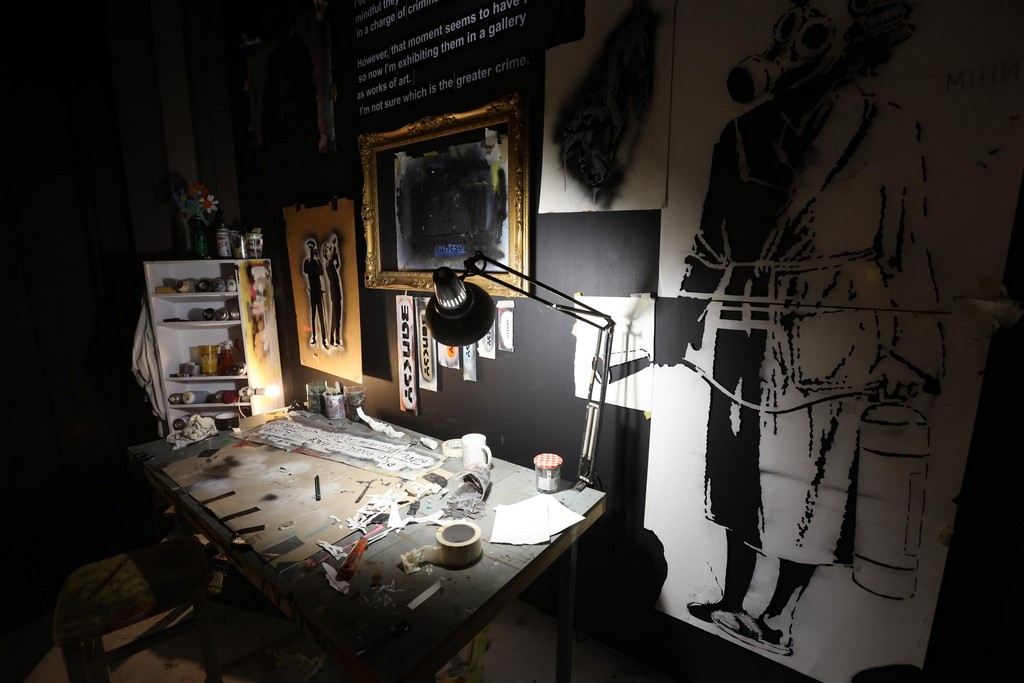
‘CUT & RUN’, which has been officially authorised by Banksy, will reveal for the first time the stencils used to create many of the artist’s most iconic works.

Pics Newsquest/ Colin Mearns

Spanning from 1988 to the present day, Banksy calls the exhibition, which includes authentic artefacts, ephemera and the artist’s actual toilet, ‘25 years card labour’.

“I’ve kept these stencils hidden away for years, mindful they could be used as evidence in a charge of criminal damage. But that moment seems to have passed, so now I’m exhibiting them in a gallery as works of art. I’m not sure which is the greater crime”, the artist told The Herald Scotland.

The new exhibition is being staged at the Gallery of Modern Art (GoMA) in Glasgow city centre, the main gallery of contemporary art in Scotland’s largest city.

Opening this Sunday, it will run for three months and open all night at weekends. Tickets can be purchased on https://cutandrun.co.uk

Source: Herald Scotland

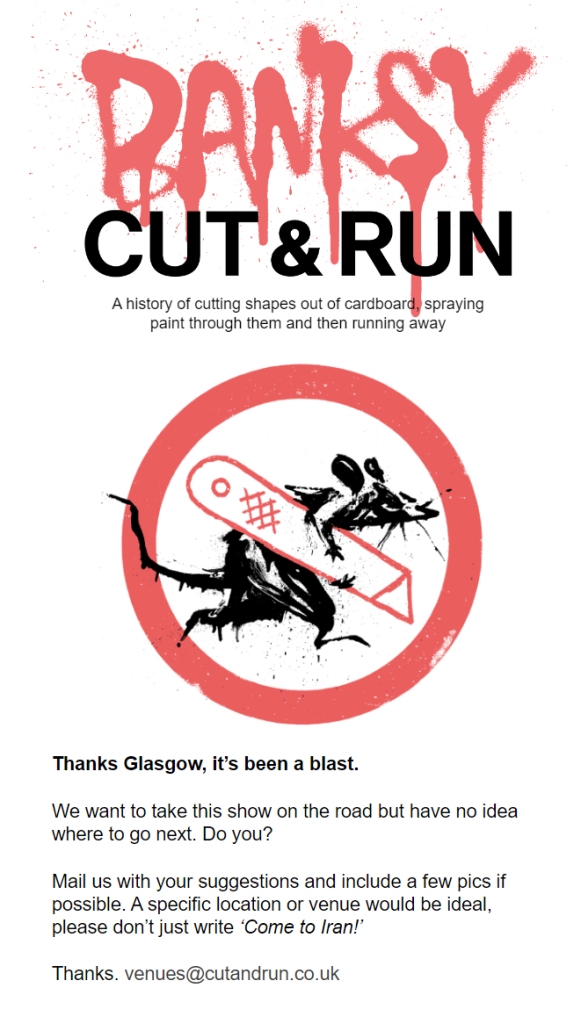
Update 28 August 2023

On the last day of the exhibition, which attracted more than 180 000 visitors throughout the 10 weeks, the dedicated website announced that the exhibition is planning to go on a tour, and is opened to venues suggestions. So please send your suggestions to venues@cutandrun.co.uk

Image source: Cut & Run website

Shepard Fairey – New Clear Power in Munich

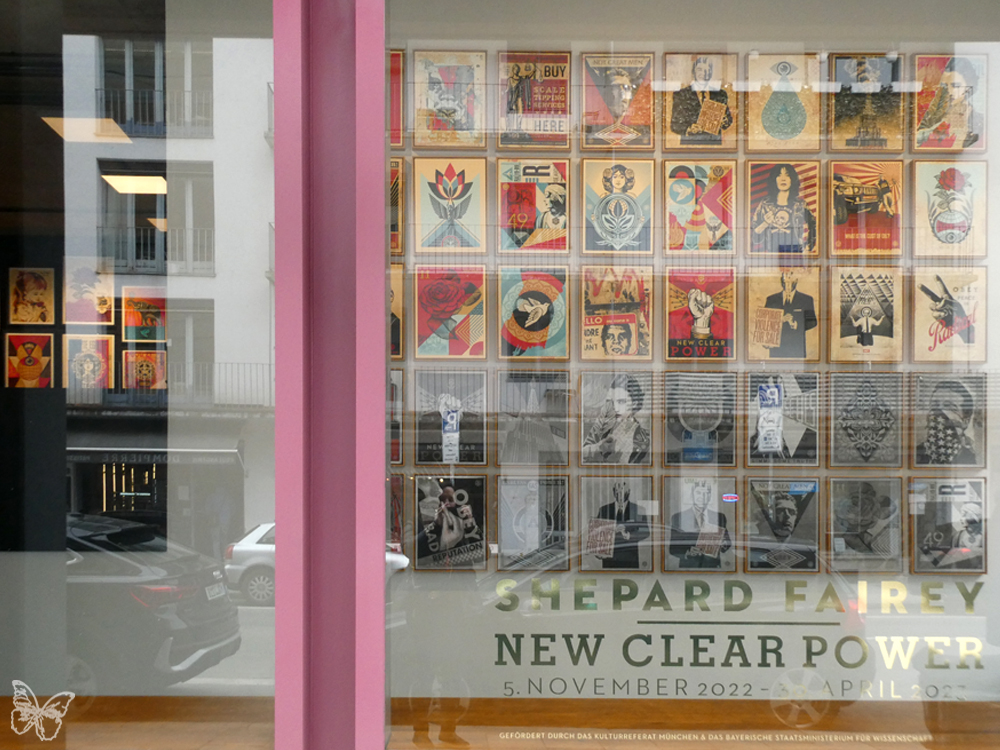
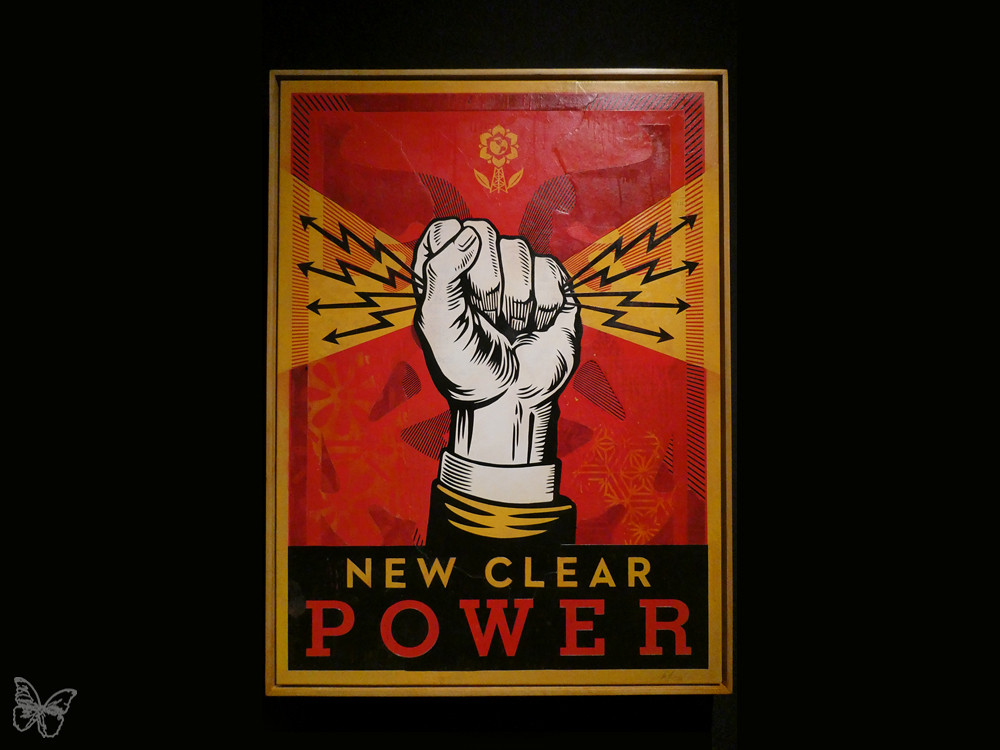
New Clear Power, Shepard Fairey’s first solo exhibition  in Germany addresses systems, forms, and notions of power in at the newly opened  AMuseum , dedicated to the street art movement. The Amuseum was initiated by the artistic group Positive Propaganda, led by Sebastian Pohl and Overrated Art Inc.

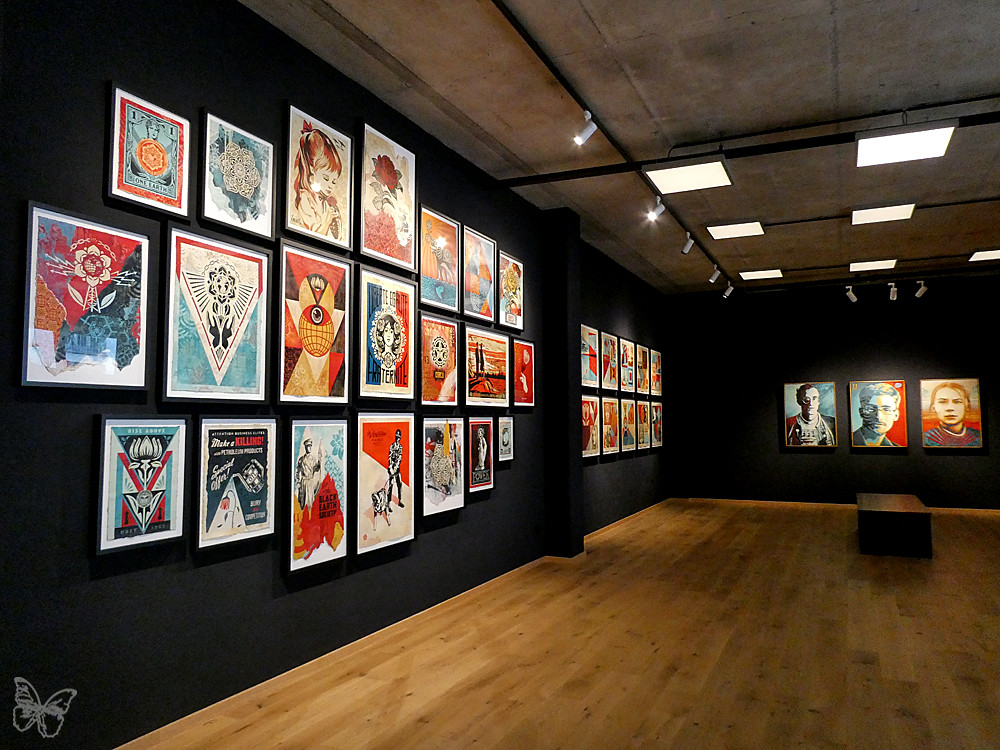
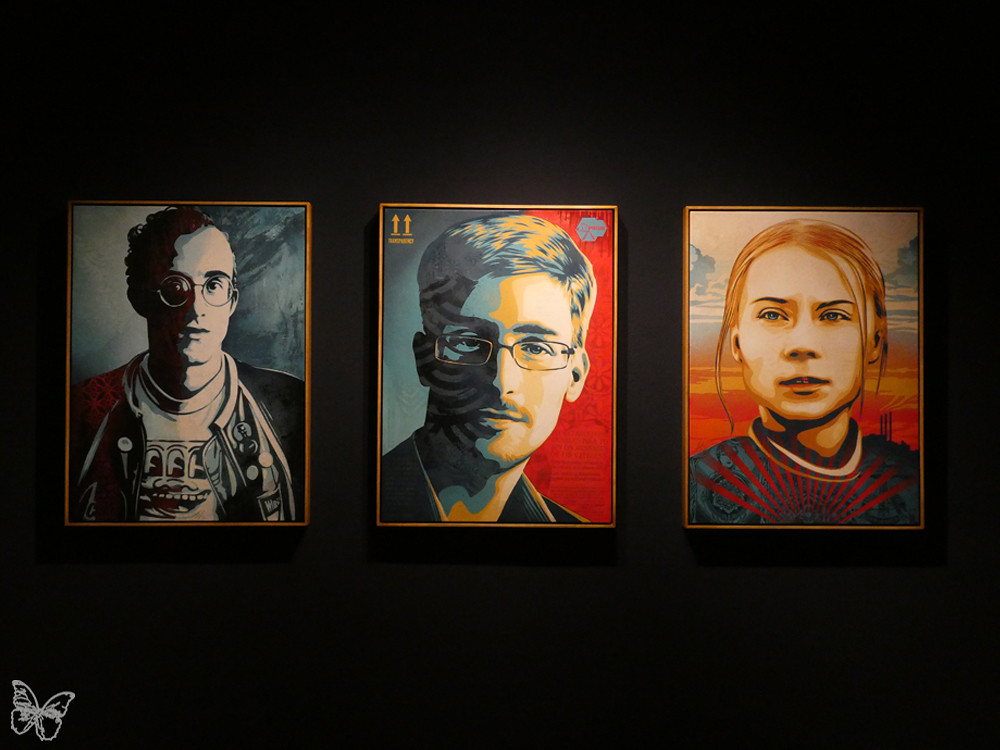
For this exhibition Shepard Fairey decided to use a wide range of mediums (from mixed-media paintings on canvas, stencils, collage, illustrations, and prints) and juxtaposes colours with images, patterns and text, and feature icons like Keith Haring, Greta Thunberg and Edward Snowden to convey clear messages and raise questions as well as voice concerns about various notions of power.

The concepts of power represented in the subject matter of New Clear Power include abuse of power, power concentrated under capitalism, renewable power, political power, the power of creativity, power over information, and the power of controlling narrative. A primary focus of the work is a critique of fossil fuel industries and their contribution to climate change and environmental decline.

In parallel to the exhibition Shepard Fairey and his team with the help of Positive Propaganda, painted a 115 meters wide mural along a stretch of Munich’s city highway, featuring images relating to the oil industry and the urgency of transitioning to renewable sources of power.

Photo: Positive Propaganda e.V.

Until 30 April 2023

AMUSEUM of Contemporary Art, Schellingstrasse 3, 80799 München

More info on www.a-museum.org  and positive-propaganda.org