All posts by butterfly

Paris: Lee Bae ‘ Black Mapping’

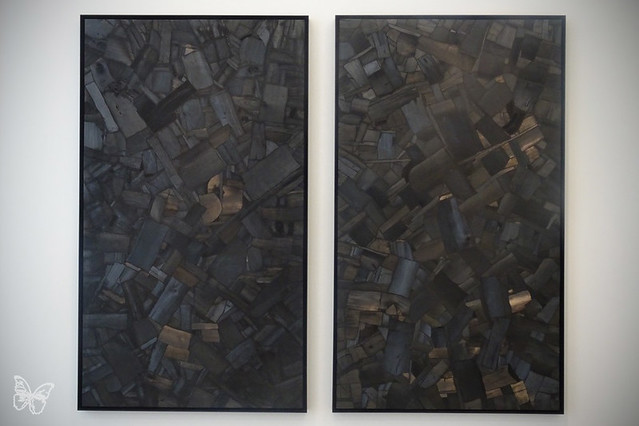
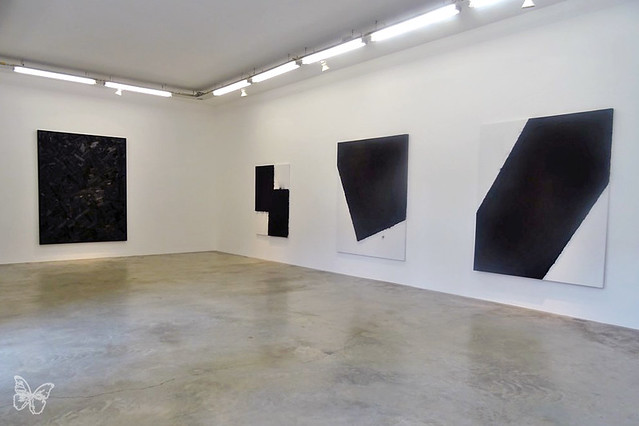
Lee Bae - Black Mapping

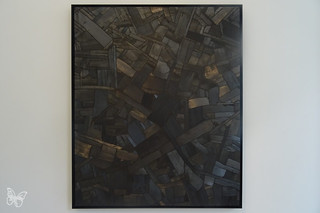
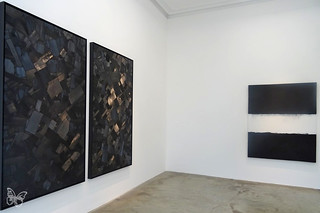
Perrotin Gallery in Paris is currently showing “Black Mapping” by Korean contemporary artist Lee Bae and looks back to the creative period of Lee Bae marked by the work of charcoal, in the form of paintings, sculptures and installations.
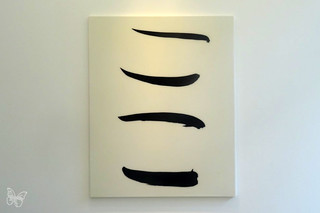
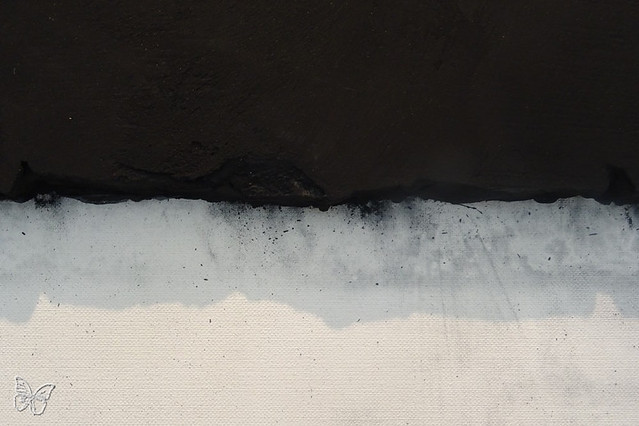
Since the early 2000’s Lee Bae is best known for his acrylic paintings associating a thousand variations of black and creamy white. Perrotin Gallery has chosen to highlight a lesser known creative aspect from the late 1990s to the early 2000s, which focused on the use of charcoal.

Lee Bae - Black Mapping

Lee Bae’s charcoal achievements are a crucial moment in the Korean artist’s career when he arrived in Paris in 1990, and the discovery of this new material is a turning point in his practice.
The choice of charcoal is due to several reasons: references to the China ink and calligraphy, but is also deeply rooted in the Korean tradition and reminded him of its origins.

Charcoal would allow Lee Bae to combine and align the two subjects that had always motivated him: a reflection on the material and a quest for blackness. In other words, on one hand the material in itself, for its sculptural qualities, and on the other hand, the material as a means of achieving tonality.

Lee Bae - Black Mapping

The installations of the Fire series are juxtaposed elements of raw material, burned and glued on canvas. Working the surface and revealing shadows, gradients and highlights, charcoal is a powerful creative element both literally and figuratively.

Lee Bae - Black MappingLee Bae - Black MappingLee Bae - Black MappingLee Bae - Black Mapping
Lee Bae - Black MappingLee Bae - Black Mapping

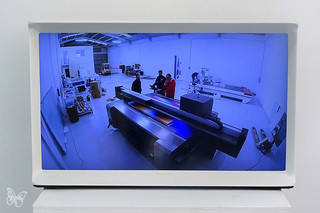
Check a video by Simone Hoffman for Arte Metropolis that looks behind the scenes.

Lee Bae – Black Mapping
Until 26 May 2018
Galerie Perrotin
76 rue de Turenne
75003 Paris
London: Mai 68 Posters from the Revolution

Lazinc - Mai 68 Posters

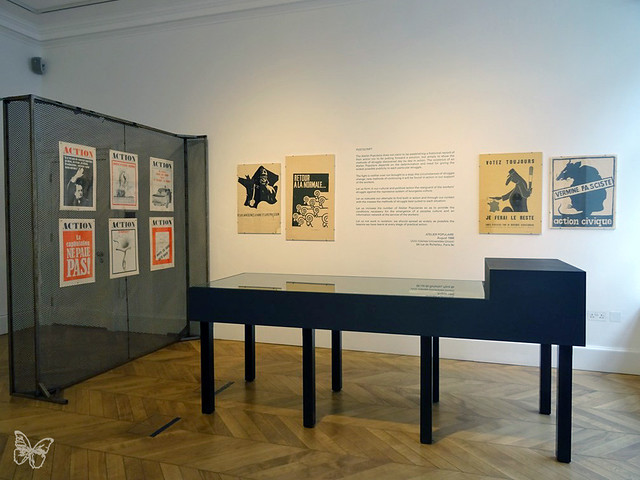
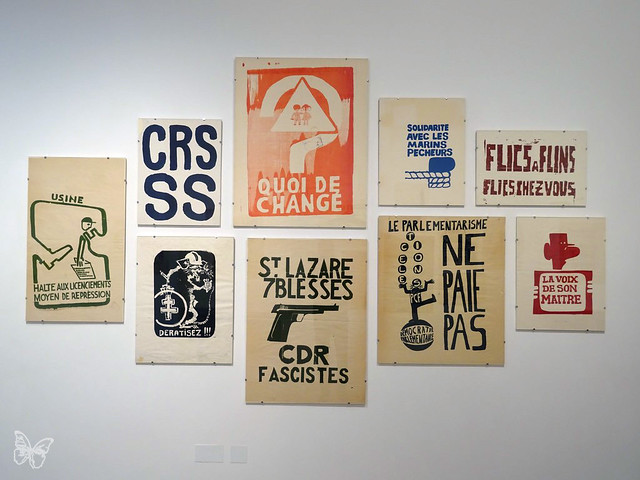
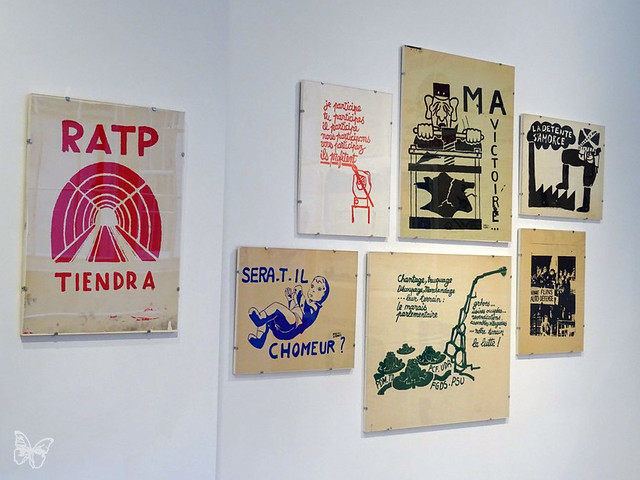
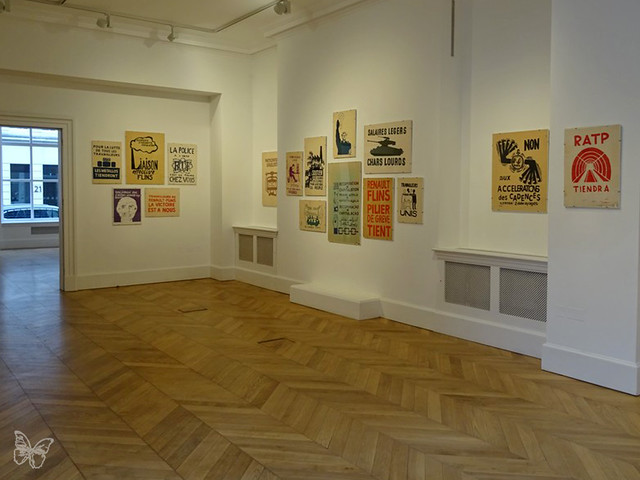
This May marks the 50th anniversary of the Mai 68 riots; a revolutionary string of student protests in Paris. Art was truly embedded in this revolution, with unique screen-printed posters being plastered along the walls of France.

Lazinc Sackville is currently exhibiting in London its own collection of these original posters for all to see. This unique collection of posters was last exhibited at The Hayward Gallery in 2008 and now forms part of Lazinc’s permanent collection of counter culture and propaganda works.

Lazinc - Mai 68 Posters

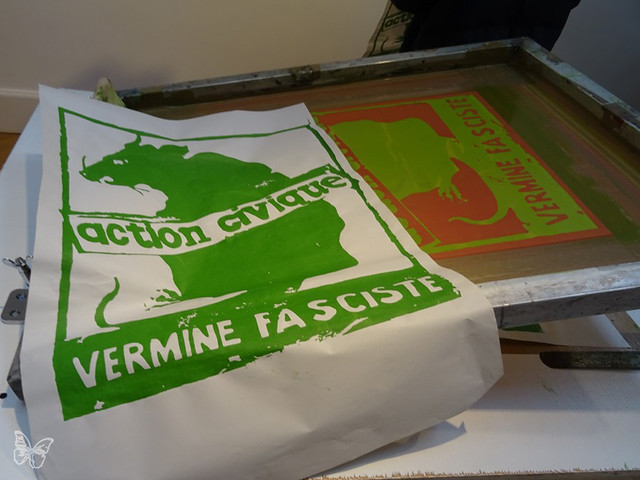
The 50 works are original, screen-printed posters produced during May and June in 1968 and plastered over the walls of Paris. The posters became the visual symbols of the revolution and they depict solidarity between France’s students and workers; opposition to De Gaulle and parliament; and the denouncement of a fascist regime.

One of the largest collections of this nature, the Lazinc Propaganda Collection includes Chinese Maoist posters dating back to early 1900’s, Black Panther posters, Russian Communist Posters from the 1970’s & 80’s, Cuban Revolutionary posters as well as British counter-culture posters from the 1960’s – 1980’s. These iconic works have been cited as the forerunners of today’s street art movement, and have been an inspiration to many of the contemporary artists Lazinc has worked with, including Banksy, Vhils and JR.

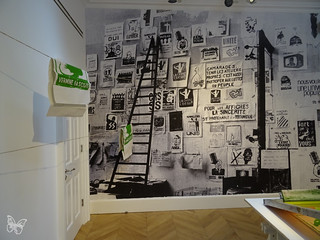
In addition films, imagery and memorabilia from the Mai 68 riots help contextualise the artworks in a historic setting, including archival photography, memorabilia and film footage captured during the riots.

Lazinc - Mai 68 PostersLazinc - Mai 68 PostersLazinc - Mai 68 Posters

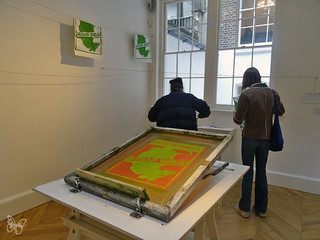
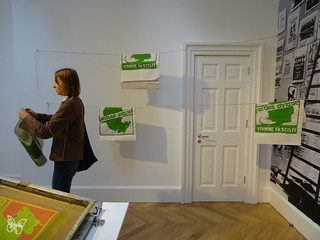
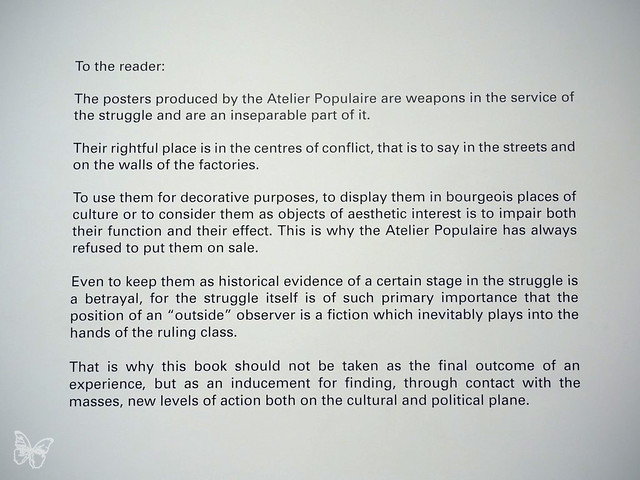
The gallery is also recreating a screen-printing room from one of the Atelier Populaire studios, the infamous workshop created in the occupied lithography studios of the École des Beaux-Arts set up by artists and students, .showing the working space in which the posters were created. Screen-printing was used due to the opportunity of mass-production and none of the posters were signed by individual artists.

Lazinc - Mai 68 PostersLazinc - Mai 68 Posters
Lazinc - Mai 68 Posters

“I love posters and their inherent power. They have been used as a tool of control or rebellion by everyone from counter-cultural groups to communist regimes, to subjugate billions of people. I still feel that they have their place in today’s society, take something like Shepard Fairey’s HOPE poster for the Obama campaign. A poster that in its own small way helped a black man to be voted as president of the USA, something no-one thought possible. The posters here were made by “Atelier Populaire”…
The whole idea was that anyone and everyone could contribute to the content of the posters, students, fishermen, postmen, factory workers etc. There would be assemblies where the poster choice would be made. These would invairably be printed through the day and night and then pasted up on the night-time, for the city of Paris to see what the issues at hand were. This was a pretty risky business due to the heavy-handed tactics of the French riot squad. This is a classic example of the disposed and dis-enfranchised using the poster to give voice to their concerns. The fact that time has not diminished them or their sentiment is a testimony to their power.” – Steve Lazarides, Co-Founder, Lazinc
Lazinc - Mai 68 PostersLazinc - Mai 68 Posters

The installation is left as if interrupted, posing the question of what the Mai 68 riots achieved and what is their contribution to art and history, the place of art within revolution?

Lazinc - Mai 68 Posters

View the full set of pics here

Lazinc Sackville
29 Sackville Street
London W1S 3DX


Paris: D*Face ‘Turncoat’ Mural

D*Face Turncoat

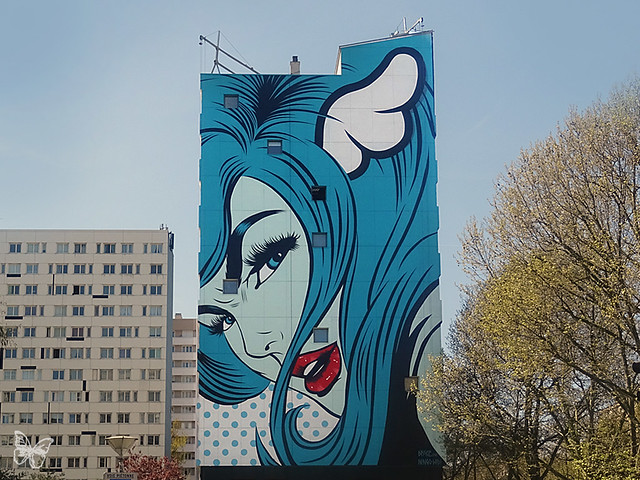
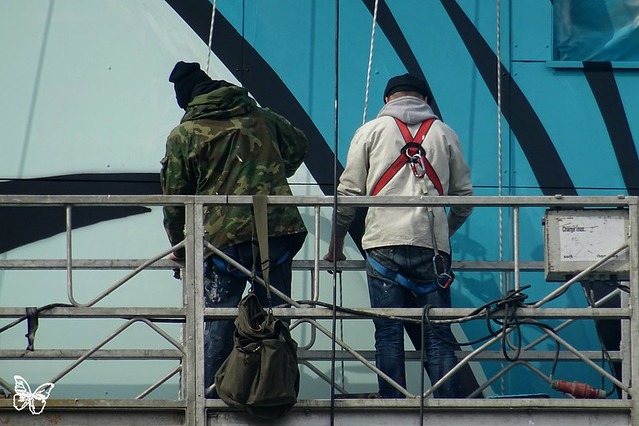
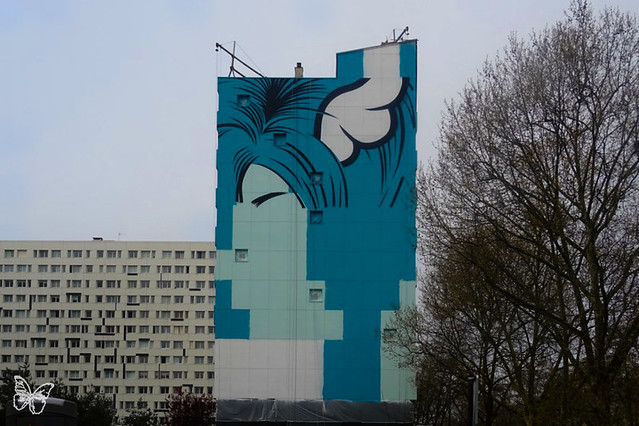
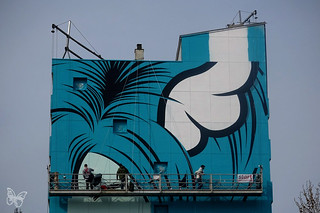
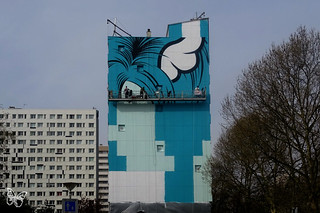
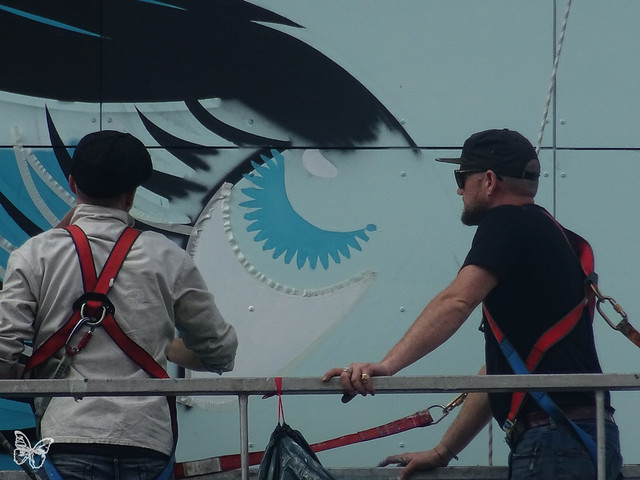
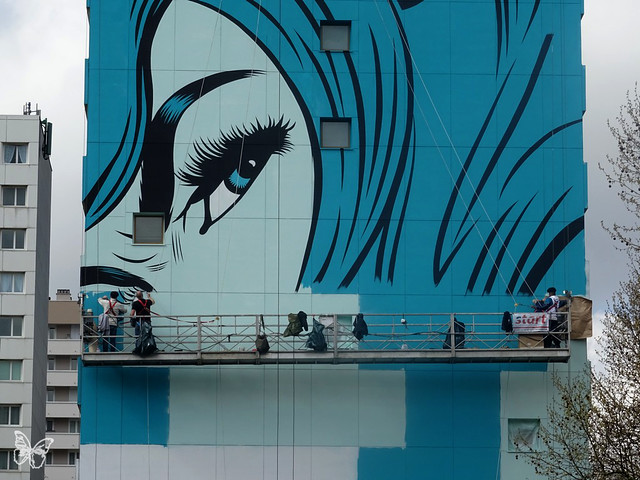
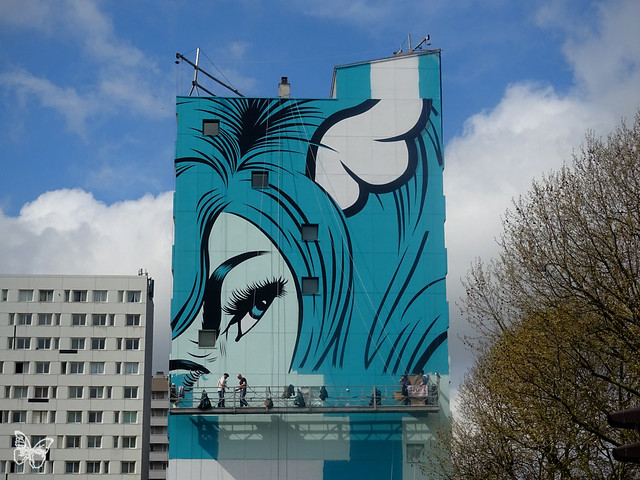
British artist D*Face (covered) has just completed his second mural in Paris, at 155 boulevard Vincent Auriol, part of the ongoing open air museum in the 13th District with Street Art 13 Mural program.

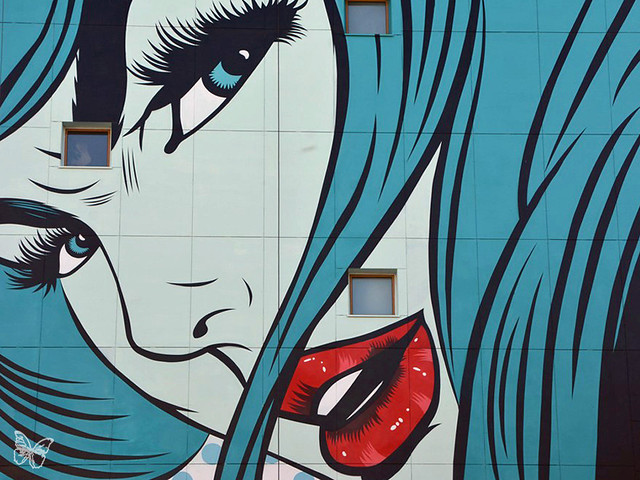
This is the mural version of his painting ‘Turncoat‘, here on 25 meters high and 15 meters wide. This monumental work marks a departure in D*Face’s work. The portrait is made from a blue colour palette, while most of its pieces are based on a plurality of colors.

D*Face Turncoat

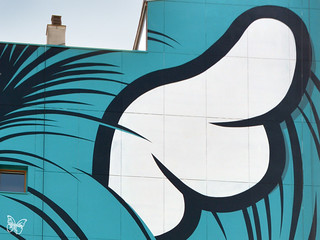
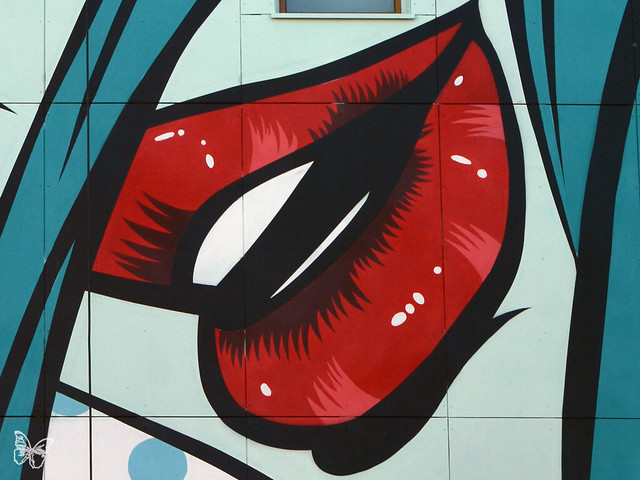
The artist, explained it as follows: “The colour scheme is new to me, it’s a new direction, each artist goes through his blue period, at the moment it must be my turn. . ” This palette represents a certain melancholy in his view of the world. The woman lips are tinted with a vibrant electric red, highlighting her power of seduction while her frowning brows and rebellious hair show her strong temperament. D*Face also added his signature wings and pop imagery to the mural.

D*Face TurncoatD*Face TurncoatD*Face TurncoatD*Face TurncoatD*Face TurncoatD*Face TurncoatD*Face TurncoatD*Face TurncoatD*Face Turncoat
D*Face Turncoat

In parallel, the original painting ‘Turncoat’ is currently visible at the new solo exhibition ‘Fornever‘ at Galerie Itinerrance until 19 May.

View the full set of pics here

Paris: Felipe Pantone – Dynamic Phenomena

Felipe Pantone - Dynamic Phenomena

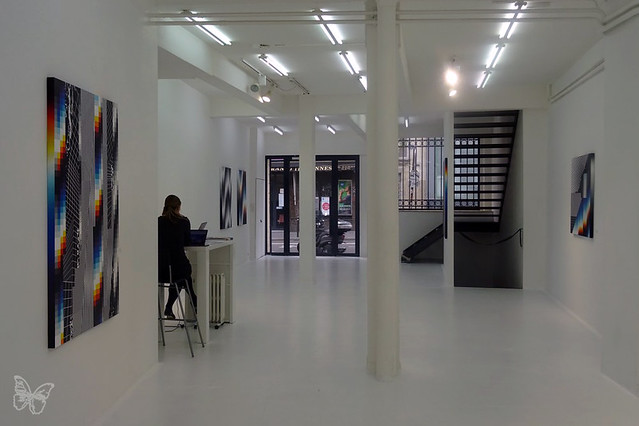
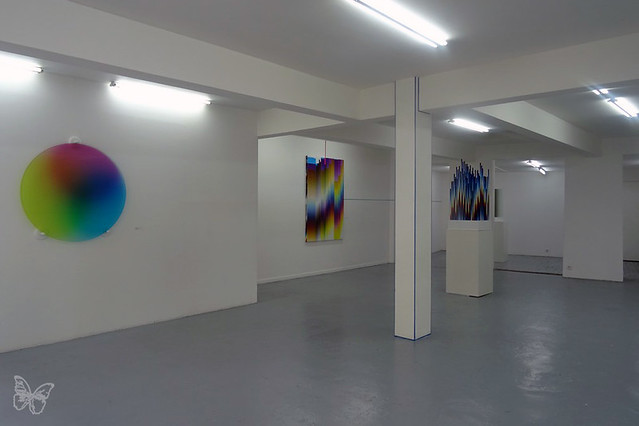
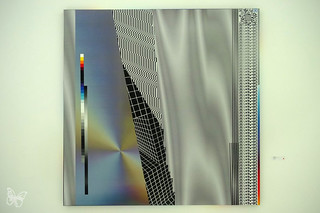
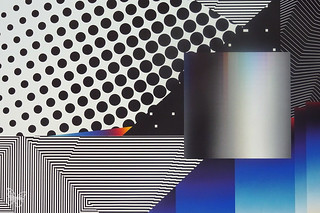
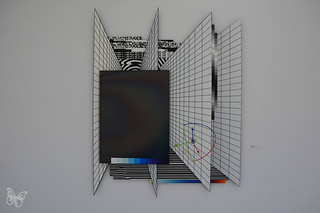
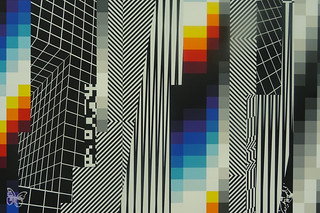
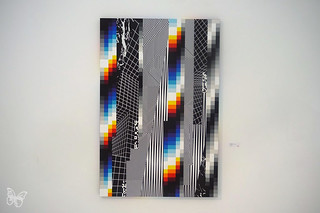
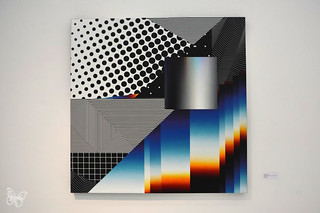
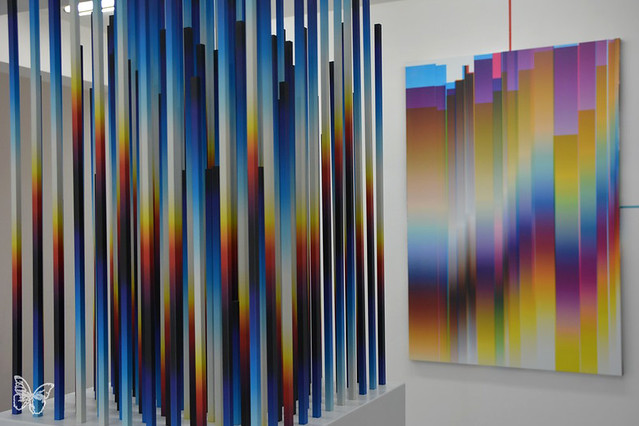
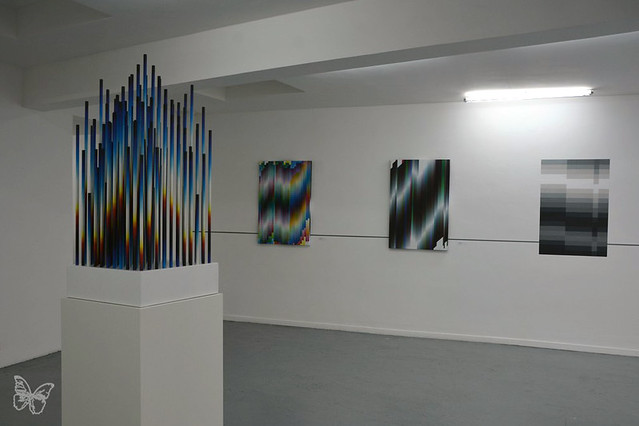
Chromatic and cynetic master Felipe Pantone is currently presenting his first solo exhibition ‘Dynamic Phenomena‘ in Paris at Magda Danysz Gallery.

Born in Buenos Aires, Pantone is an Argentinian-Spanish artist based in Valencia, Spain.  Internationally prolific, Pantone enchants with his majestic murals, sculptures or monumental installations.  Invited to the 2016 edition of the Maus Festival in Malaga (covered), the artist completely repainted a bridge overlooking the river Guadalmedina.

Felipe Pantone’s approach is to question the current era and its propensity to place new technologies at the center of our daily lives, making us dependent on a superabundance of images and symbols. He himself is passionate about the advent of the internet that gives instant access to the entire history of mankind. The problems he addresses are contemporary and universal: movement, the notion of time, saturation, alienation and destruction

Felipe Pantone - Dynamic Phenomena

Felipe Pantone - Dynamic PhenomenaFelipe Pantone - Dynamic Phenomena

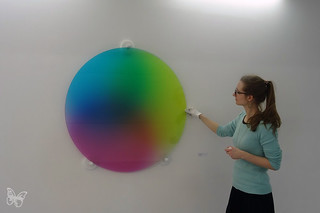
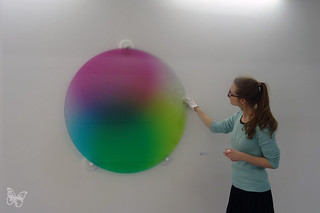
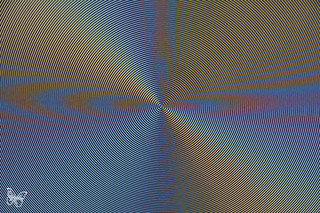
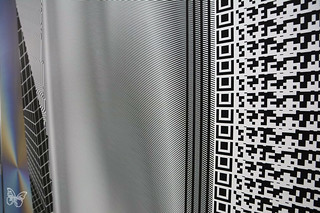
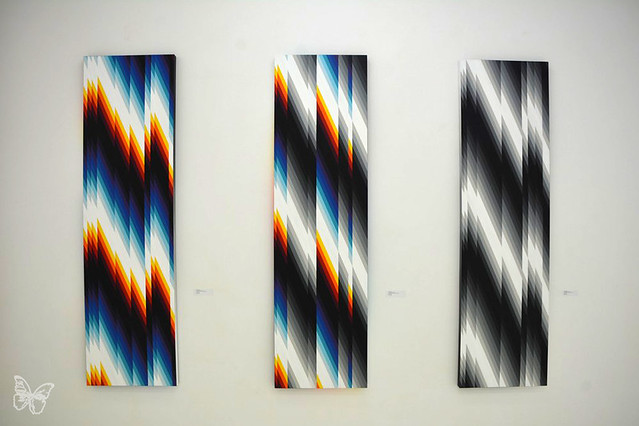
With his exhibition “Dynamic phenomena”, Pantone imagines geometric subjects on modeling software, taking up the aesthetics of 3D creation, which he then reproduces in XXL size or on canvases. He brings them to life by superimposing his installations into disturbing optical illusions reminding of an explosion or an electric shock.

Felipe Pantone - Dynamic Phenomena

In a powerful dynamic, Pantone adds abstract and stroboscopic touches to articulate black and white geometric shapes creating a futuristic style with psychedelic accents and metallic colours.

Felipe Pantone - Dynamic PhenomenaFelipe Pantone - Dynamic Phenomena


Felipe Pantone - Dynamic Phenomena
Felipe Pantone - Dynamic PhenomenaFelipe Pantone - Dynamic PhenomenaFelipe Pantone - Dynamic Phenomena
Felipe Pantone - Dynamic PhenomenaFelipe Pantone - Dynamic Phenomena
Felipe Pantone - Dynamic Phenomena
Felipe Pantone - Dynamic PhenomenaFelipe Pantone - Dynamic Phenomena

View the full set of pics here


Felipe Pantone ‘Dynamic Phenomena’
Until 12 May 2018
Magda Danysz Gallery
Paris

Paris: ESCIF ‘Open Borders’ at Palais de Tokyo

ESCIF - Open Borders

From May 4th, Palais de Tokyo in Paris will pay tribute to the history and legacy of the May 1968 events with a intervention by Escif, where he reproduced some of the famous writings from that period of student revolts. His creation completes the project, which was started in 2015 by Greek artist Stelios Faitakis, who realized two murals dedicated to the legacy of the situationist movement and civil unrest of May 1968. This intervention is part of the 10th installment of the LASCO Project (covered) curated by Hugo Vitrani, the Urban Art programme of Palais de Tokyo launched in 2012 which features artworks by over sixty international artists throughout its building.

ESCIF - Open Borders

Escif states: “I’m looking for the limit, how to paint a mural that is not a mural (…) The wall is a limit, a tool of power with which we plan, control and manipulate the space of cities. Graffiti abuses of walls by ridiculing them, by transgressing their original function. A painted wall is then no longer a limit but a transversal channel.”

ESCIF - Open Borders

Overlooking the iconic Eiffel Tower, the Spanish artist’s mural features trompe-l’oeil elements like country flags, doors, fire escapes, and wild vegetation throughout the back walls of the Palais de Tokyo, while tags and slogans lacerate the walls.

ESCIF - Open Borders

The written texts are inspired by the graffiti drawn clandestinely in the toilets of the institution which have been archived by the artist, as well as writings that accompanied the student revolts of May 68.

ESCIF - Open Borders

The general composition of the painting is a nod to the board game ‘Snakes and Ladders’ and plunges the player into a journey between vice and virtue. This is a perfect vehicle for Escif to question the part of situationism and politics plays in the art of writing on walls.

ESCIF - Open Borders
ESCIF - Open BordersESCIF - Open Borders
ESCIF - Open BordersESCIF - Open BordersEscif - Open Borders
ESCIF - Open Borders

View the full set of pics here 

ESCIF – Open Borders
From 4 May 2018
Lasco Project
Palais de Tokyo
Paris