Category Archives: London

London: Mai 68 Posters from the Revolution

Lazinc - Mai 68 Posters

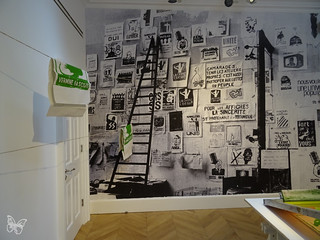
This May marks the 50th anniversary of the Mai 68 riots; a revolutionary string of student protests in Paris. Art was truly embedded in this revolution, with unique screen-printed posters being plastered along the walls of France.

Lazinc Sackville is currently exhibiting in London its own collection of these original posters for all to see. This unique collection of posters was last exhibited at The Hayward Gallery in 2008 and now forms part of Lazinc’s permanent collection of counter culture and propaganda works.

Lazinc - Mai 68 Posters

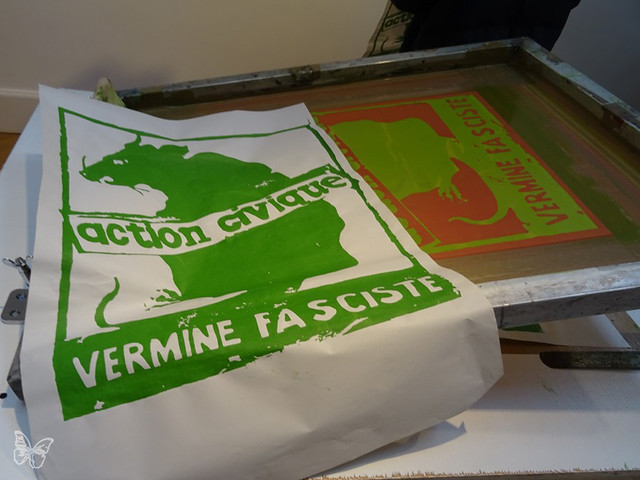
The 50 works are original, screen-printed posters produced during May and June in 1968 and plastered over the walls of Paris. The posters became the visual symbols of the revolution and they depict solidarity between France’s students and workers; opposition to De Gaulle and parliament; and the denouncement of a fascist regime.

One of the largest collections of this nature, the Lazinc Propaganda Collection includes Chinese Maoist posters dating back to early 1900’s, Black Panther posters, Russian Communist Posters from the 1970’s & 80’s, Cuban Revolutionary posters as well as British counter-culture posters from the 1960’s – 1980’s. These iconic works have been cited as the forerunners of today’s street art movement, and have been an inspiration to many of the contemporary artists Lazinc has worked with, including Banksy, Vhils and JR.

In addition films, imagery and memorabilia from the Mai 68 riots help contextualise the artworks in a historic setting, including archival photography, memorabilia and film footage captured during the riots.
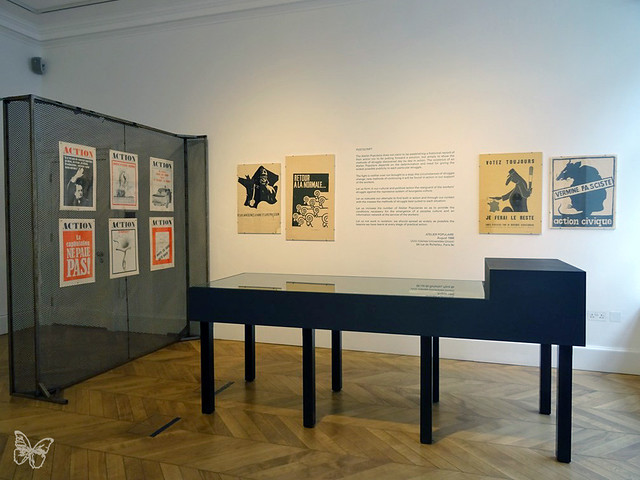
Lazinc - Mai 68 PostersLazinc - Mai 68 PostersLazinc - Mai 68 Posters

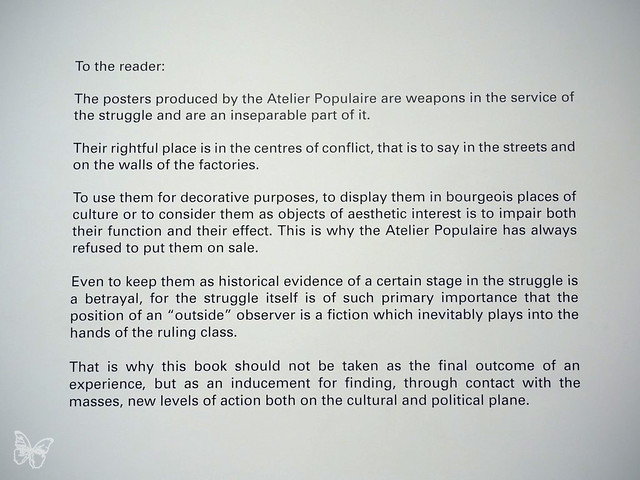
The gallery is also recreating a screen-printing room from one of the Atelier Populaire studios, the infamous workshop created in the occupied lithography studios of the École des Beaux-Arts set up by artists and students, .showing the working space in which the posters were created. Screen-printing was used due to the opportunity of mass-production and none of the posters were signed by individual artists.
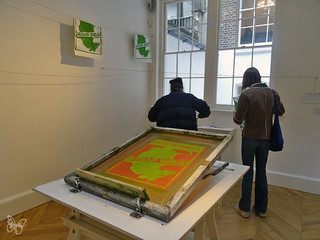
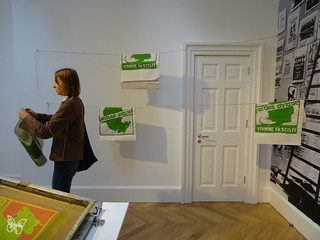
Lazinc - Mai 68 PostersLazinc - Mai 68 Posters
Lazinc - Mai 68 Posters

“I love posters and their inherent power. They have been used as a tool of control or rebellion by everyone from counter-cultural groups to communist regimes, to subjugate billions of people. I still feel that they have their place in today’s society, take something like Shepard Fairey’s HOPE poster for the Obama campaign. A poster that in its own small way helped a black man to be voted as president of the USA, something no-one thought possible. The posters here were made by “Atelier Populaire”…
The whole idea was that anyone and everyone could contribute to the content of the posters, students, fishermen, postmen, factory workers etc. There would be assemblies where the poster choice would be made. These would invairably be printed through the day and night and then pasted up on the night-time, for the city of Paris to see what the issues at hand were. This was a pretty risky business due to the heavy-handed tactics of the French riot squad. This is a classic example of the disposed and dis-enfranchised using the poster to give voice to their concerns. The fact that time has not diminished them or their sentiment is a testimony to their power.” – Steve Lazarides, Co-Founder, Lazinc
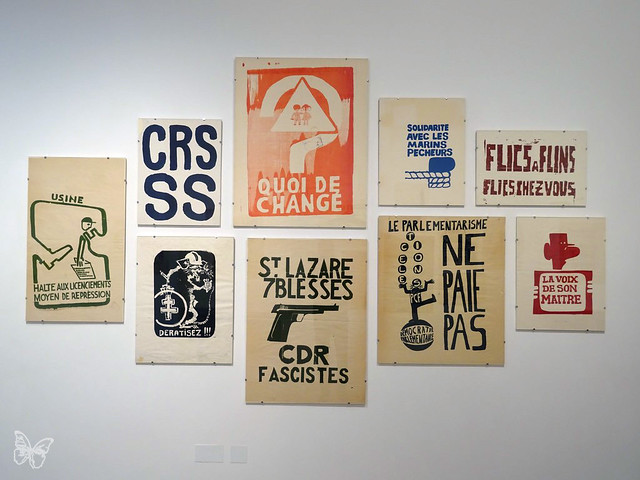
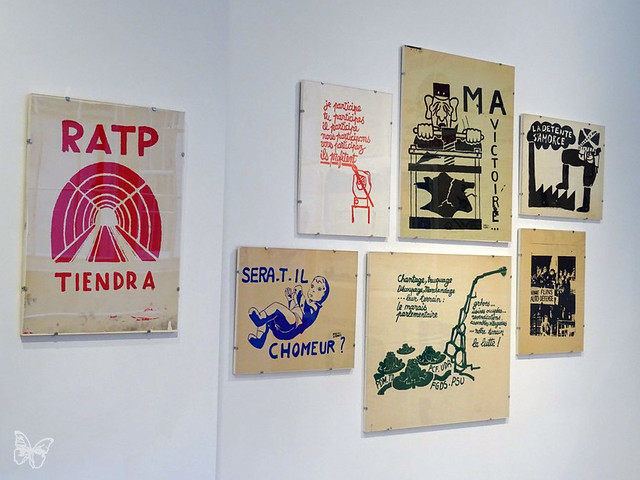
Lazinc - Mai 68 PostersLazinc - Mai 68 Posters

The installation is left as if interrupted, posing the question of what the Mai 68 riots achieved and what is their contribution to art and history, the place of art within revolution?
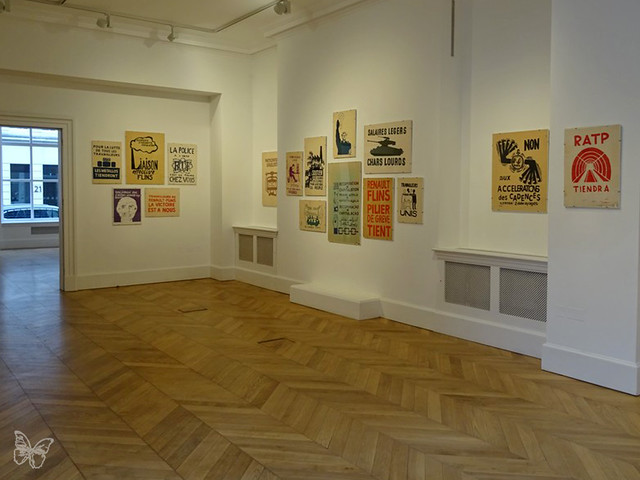
Lazinc - Mai 68 Posters

View the full set of pics here

Lazinc Sackville
29 Sackville Street
London W1S 3DX
 

London: Miaz Brothers ‘Anonymous’ at Lazinc Sacksville

Miaz Brothers - Anonymous

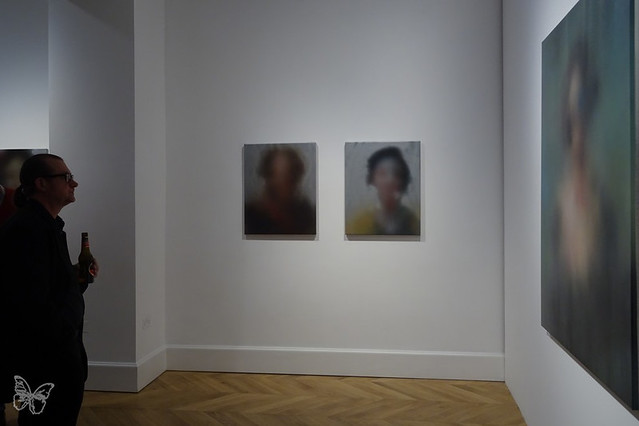
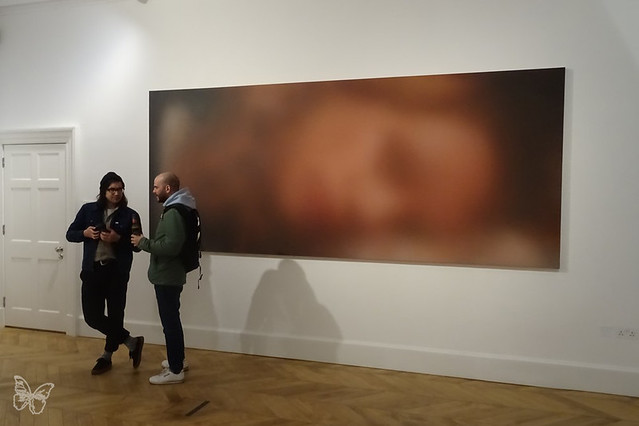
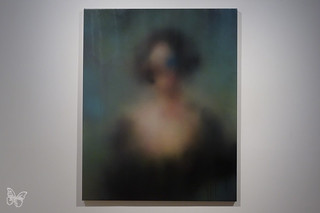
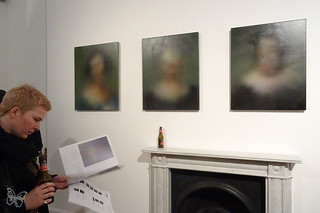
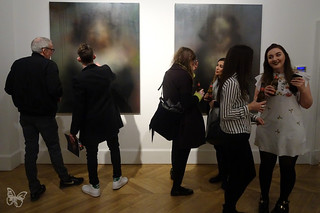
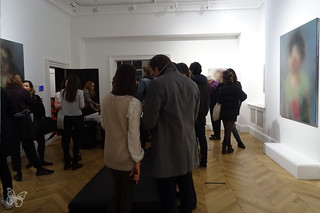
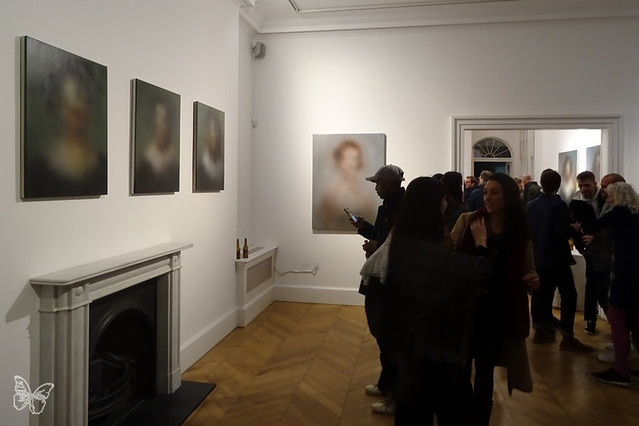
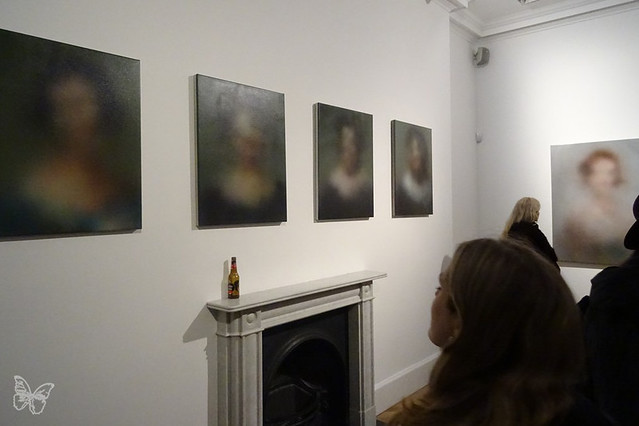
Italian duo the Miaz Brothers return to Lazinc Sacksville for their third exhibition; Anonymous, continuing their Antimatter Series.

The show explores the concepts of anonymity and the metaphor of status in our existence. While both bodies of work portray beings, symbolic of a crosssection of society that scales class, location and time, the sixteen portraits for this new exhibition aims to present some transcendent answers for our present existence.
The artists’ work intentionally looks to the future and embodies that which is yet to come, which today remains indefinable.

Miaz Brothers - Anonymous

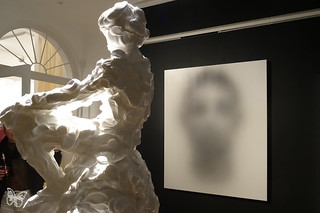
Using acrylic paint, the Miaz Brothers create enigmatic out of focus portraits, prompting the viewer to look beyond the line and to use both their own perception and imagination. Instead of explaining the meaning the meaning of their work, the artists encourage the viewer to develop their own relationship with the paintings.

Miaz Brothers - Anonymous

“It is an exercise for the inner spirit; a flexible experience of stretching the awareness of what we see and perceive; a stimulation for the consciousness and the limits of our idea of the world and its symbols. We are trying to force the viewer to interact with the image and to do so in a sensitive effort by filtering it through the perception and the process of identification to achieve something not fixed or limited but which is boundless and personal.” —The Miaz Brothers, 2018

Miaz Brothers - AnonymousMiaz Brothers - AnonymousMiaz Brothers - Anonymous
Miaz Brothers - AnonymousMiaz Brothers - Anonymous
Miaz Brothers - Anonymous

View the full set of pics here

Miaz Brothers – Anonymous
Until 21 April 2018
Lazinc Sacksville
29 Sackville Street
London W1S 3DX

London: Fourth Plinth by Michael Rakowitz

Michael Rakowitz

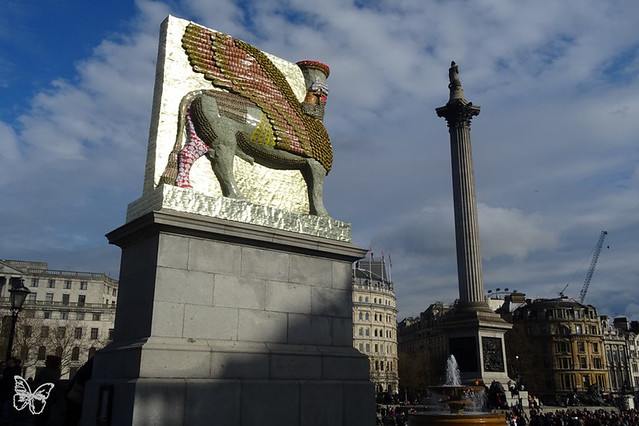
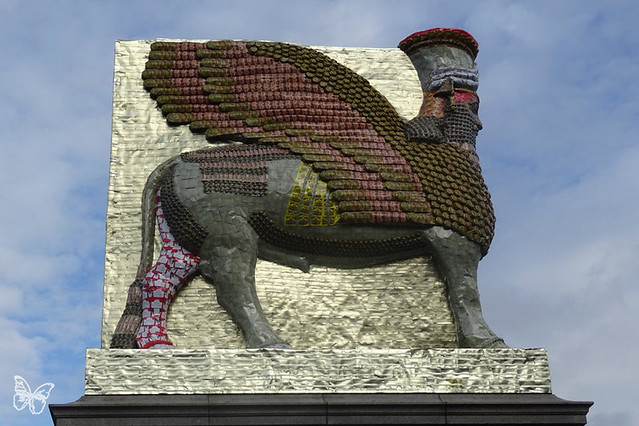
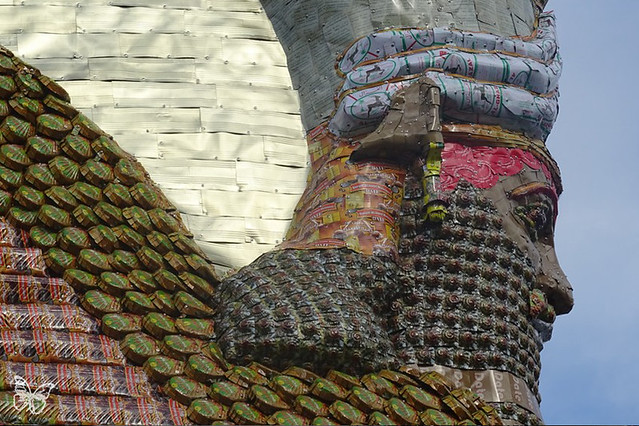
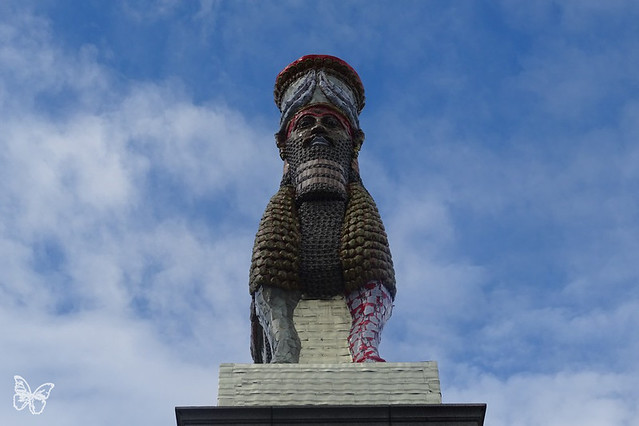
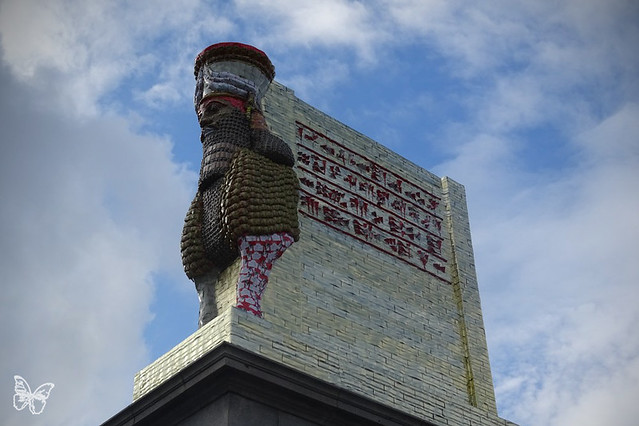
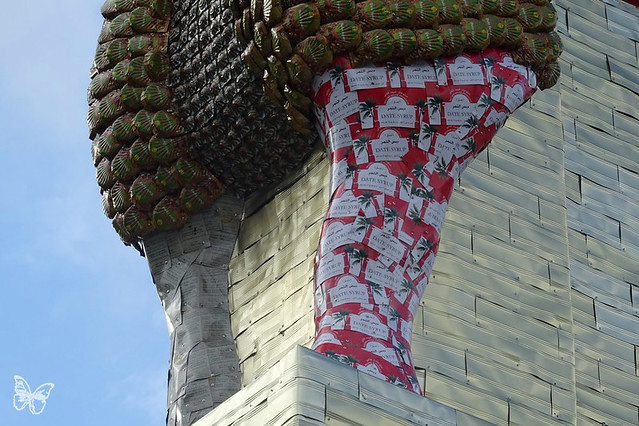
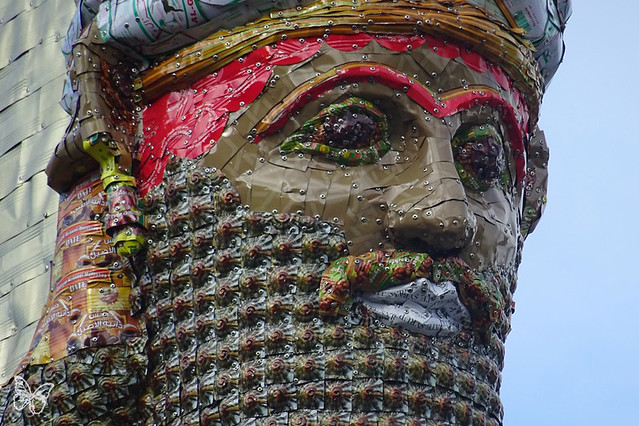
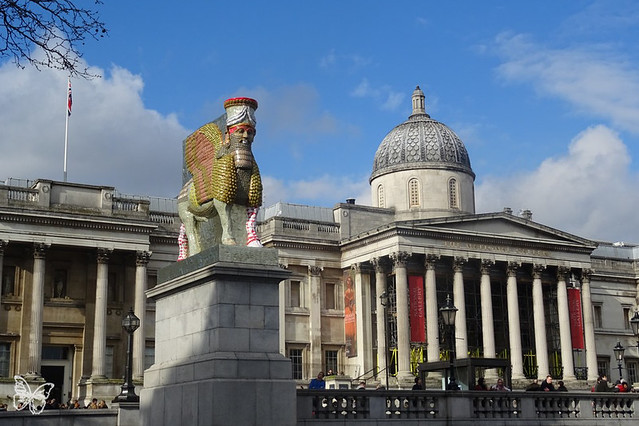
Following David Shrigley ‘ Really Good’ sculpture,  Iraqi-American artist Michael Rakowitz, has been selected to create the latest sculpture for the Fourth Plinth in Trafalgar Square using 9,000 tin cans of date syrup made in Iraq. The artwork is a reconstruction of the lamassu, a winged bull created around 700BC at the Nergal Gate of Ninevah, Iraq, nearMosul vandalised by Isis in 2015.

Michael Rakowitz has built an international art-world reputation over the past 15 years, fusing his autobiography as an American with an Iraqi-Jewish background with social and political observation and activism, as well as the odd absurdist link to pop culture.

During a family visit to the British Museum when he was aged 10, he recalls his first encounter with an Assyrian lamassu, like the winged bull only with a lion’s body. “Suddenly I found myself immersed in this space that was unlike any I had seen before,” Rakowitz recalls, “which was going past those lamassu and going into the throne room reconstruction from Nineveh and seeing the lion hunt of Ashurbanipal.”

Michael Rakowitz

The lamassu on the plinth is not a one-off but part of another long-term project, also called The Invisible Enemy Should Not Exist. For this, Rakowitz is reconstructing the entire database of 7,000 works looted from the National Museum of Iraq in the aftermath of the US and UK’s 2003 invasion. All of the reconstructions are made from Middle Eastern foodstuff packaging and local Arabic newspapers.

The project grew from Rakowitz’s observation that the sack of the museum was the first event of the war about which there was a consensus. “It didn’t matter if you were for the war or against the war, this was a catastrophe,” he explains. “But that outrage about lost artefacts didn’t turn into an outrage about lost lives.”

He noted that many looted artefacts were votive statues. “One of the interpretations of those artefacts is that those were statues that the ancient Babylonians, the Mesopotamians, would bring with them to the temple of the god, and the idea was that you would leave the sanctuary at a certain point but you left that statue in your stead, as a surrogate for you, to continue praying. And when I saw the artefacts being looted, I said, ‘Well, now we have another surrogate: a lost artefact for the lost bodies’. All those things loop back into the human and environmental catastrophe.”


Michael Rakowitz
Michael Rakowitz

Rakowitz was already thinking about reconstructing the lamassu after seeing the footage of it being destroyed by IS. He had discovered its measurements by referring to the sketches of Austen Henry Lanyard, the British archaeologist who discovered the lamassu and brought two others to the British Museum — the ones Rakowitz had seen as a child. He was invited by the Fourth Plinth organisers to submit a proposal and remarkably, the plinth was the same length as the lamassu — 14ft. “I was like, ‘This is it!’ What else would I do?”

Michael Rakowitz

Instead of merely recreating the sculpture, the artist wanted to recreate the DNA of Iraki people who got killed as well, so he decided to use date syrup cans.

So why date syrup cans? Rakowitz first began working with them in a New York project in 2006, Return, in which he reprised his grandfather’s import/export business but attempted to deal only in Iraqi goods. He had found the date syrup in a grocery store in Brooklyn but it was labelled “product of Lebanon”. In fact, the syrup was made in Baghdad, put into large plastic vats, driven to Syria and canned there before moving over the border into Lebanon, where it was labelled and sold globally. That way, sanctions were circumvented and, post-2003, security tariffs avoided. But for Rakowitz the journey was another metaphor, of course: the dates travelled “the same exact path as Iraqi refugees”.

Michael Rakowitz

Iraqi dates “were considered the best in the world; what the cigar is to Cuba”, he says. But their demise reflects the tragedy of Iraq’s recent history. Date palm trees disappeared, “from 30 million in the Seventies, when Iraq was the chief exporter of dates in the world, to 16 million at the end of the Iran-Iraq war [1980-88], to three million at the end of the 2003 invasion,” he says.

Michael Rakowitz

So the plinth sculpture reflects a huge sweep through Iraqi history. “It’s telling the story of a destroyed Iraqi artefact, and what it’s made from is telling the story of a destroyed land, destroyed nature, destroyed ecology,” he says. “And the destruction of a symbol that was so elemental to the Iraqi people. Dates are the harbinger of good things to come: you put a date into the mouth of a baby in some places in Iraq so its first taste of life is sweet. And when you have the erosion of that sweetness, it’s not a good omen.”

This is the genius of Rakowitz’s sculpture: it is history, art history, social history and current affairs. Rich knowledge and impassioned polemic all bundled into a single, glorious yet poignant symbol looking over Trafalgar Square.

Michael Rakowitz

View the full set of pics here

Michael Rakowitz
The Invisible Enemy Should Not Exist
from 28 March 2018
Fourth Plinth
Trafalgar Square,London

The Other Art Fair London: Hisham Echafaki

The Other Art Fair - Hisham Echafaki

The new edition of the Other Art Fair London curated by Saatchi Art features 130 international emerging and established artists from 22-25 March 2018 at Victoria House London WC1. Here is a selection of our highlights from the Fair.

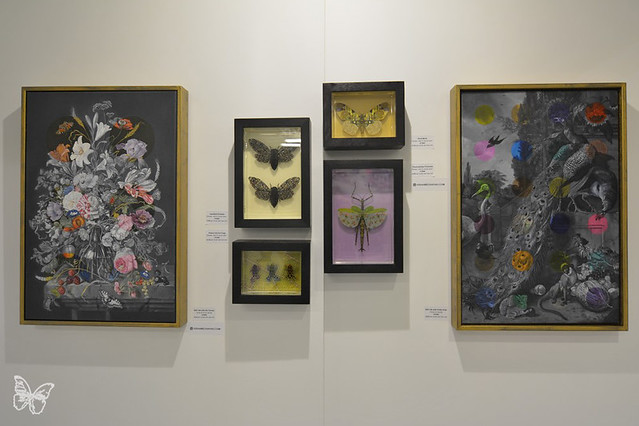
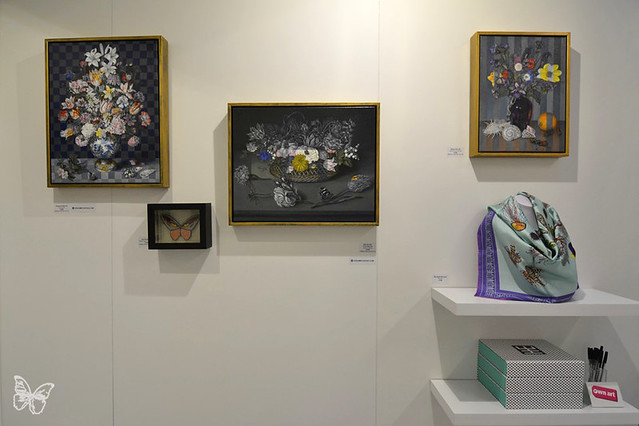
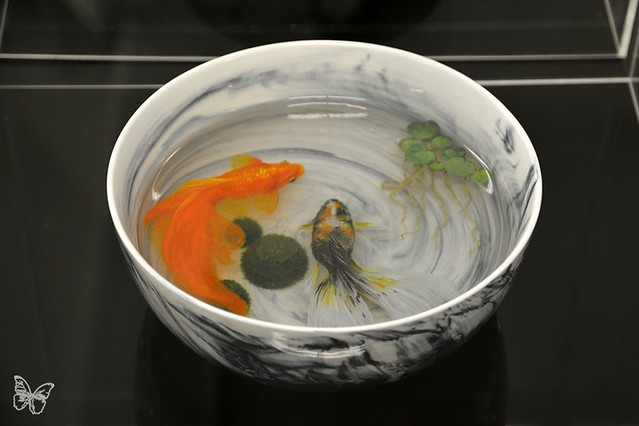
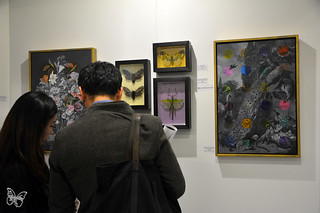
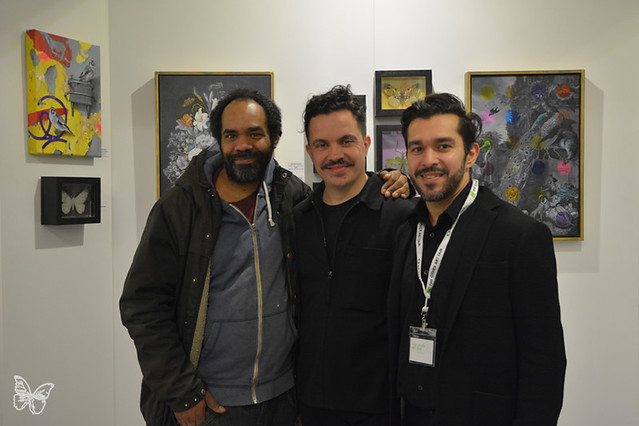
French artist Hisham Echafaki(covered) returns to London with a new solo exhibition.  Presenting a new body of works including his signature three dimensional paintings that look like real animals, insects and fishes.

The Other Art Fair - Hisham Echafaki

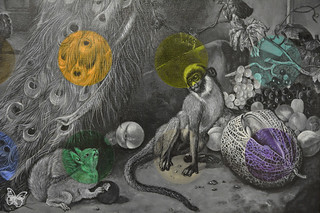
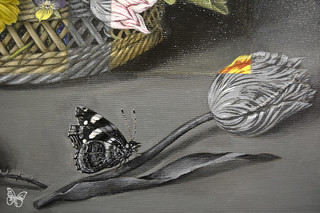
In parallel Hisham Echafaki also created new paintings inspired by Dutch masters and gave them a modern twist using optical black and white and colourful effects, from circles, squares and stripes.

The Other Art Fair - Hisham Echafaki
The Other Art Fair - Hisham EchafakiThe Other Art Fair - Hisham Echafaki
The Other Art Fair - Hisham EchafakiThe Other Art Fair - Hisham EchafakiThe Other Art Fair - Hisham Echafaki
The Other Art Fair - Hisham Echafaki

View the full set of pics here

This slideshow requires JavaScript.

The Other Art Fair
London 22-25 March 2018 
Victoria House
London WC1

London: Glenn Brown – ‘Come to Dust’ at Gagosian Gallery


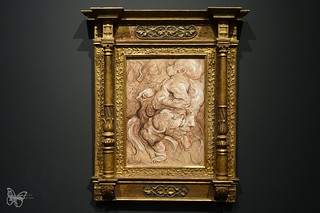
Glenn Brown - Come to dust

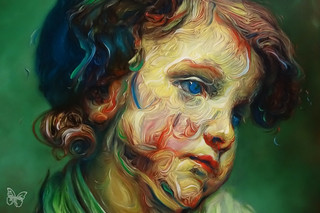
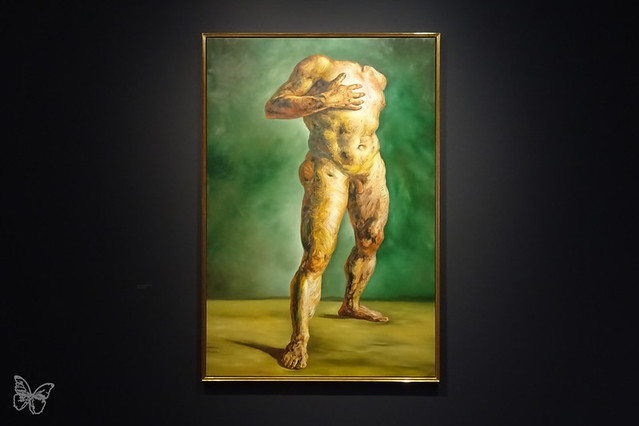
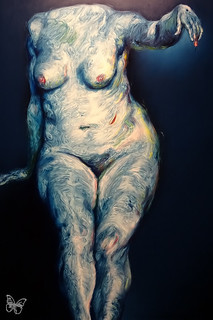
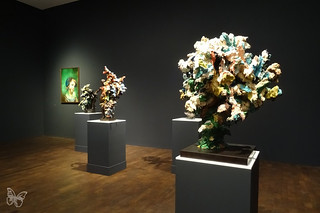
The Gagosian Gallery is currently showing “Come to Dust,” the first major exhibition by British contemporary artist Glenn Brown in London since 2009.

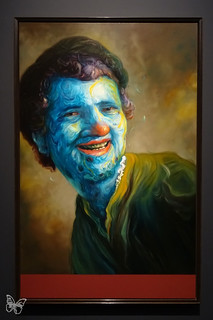
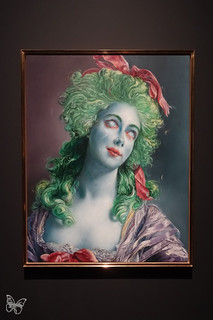
For Brown, the past and present are treasuries of raw material, offering countless images, titles, and techniques to be combined, appropriated, and deconstructed. Based on art history, as well as of literature, music, and popular culture, Brown creates complex and sensuous works of art that are resolutely of our time.

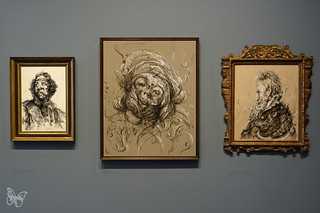
The title of exhibition, is inspired by a song in Shakespeare’s play Cymbeline, which evokes the ineluctability of death. Multidisciplinary artist, the exhibition features oil paintings, drawings in period frames, grisaille panel works, etchings, and sculptures.

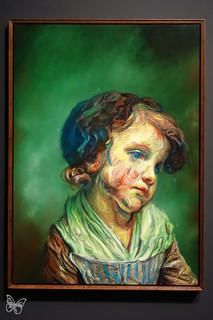
Sources include Rembrandt, Delacroix, Greuze, and Raphael, as well as Abraham Bloemaert, Francesco Mancini, Gaetano Gandolfi, Elisabeth Le Brun, and Bernardo Cavallino.

Glenn Brown - Come to dust

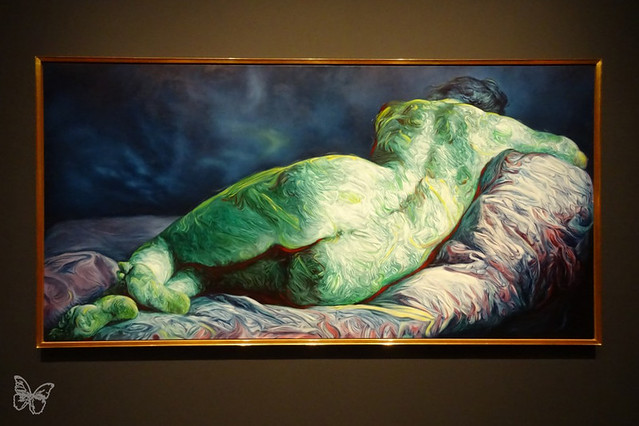
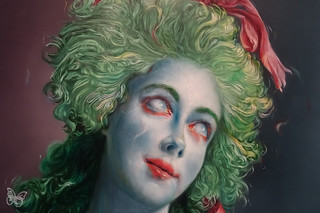
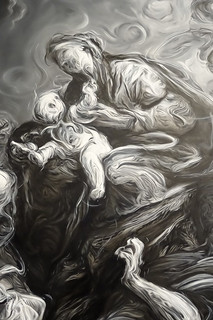
In Brown’s oil paintings, hybrid figures painted in intricate swirls reveal the sumptuous potential of oil paint. While these paintings give the illusion of corporeal volume and fullness, closer scrutiny reveals the surfaces to be smooth and flat.

Rather than using paint to depict skin with observational exactitude, Brown presents translucent brushstrokes revealing the flesh and muscles  beneath the surface.

Glenn Brown - Come to dustGlenn Brown - Come to dust Glenn Brown - Come to dustGlenn Brown - Come to dustGlenn Brown - Come to dustGlenn Brown - Come to dustGlenn Brown - Come to dustGlenn Brown - Come to dust

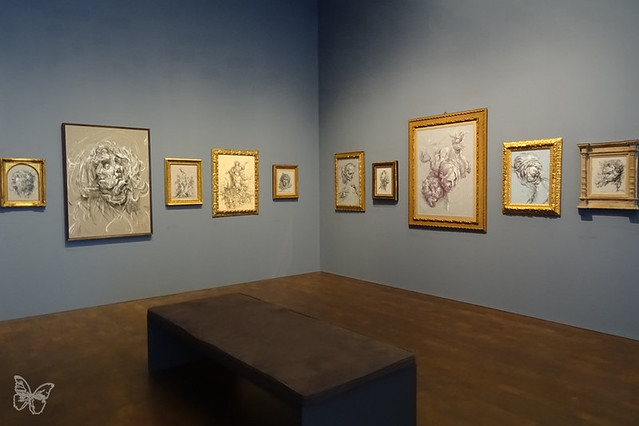
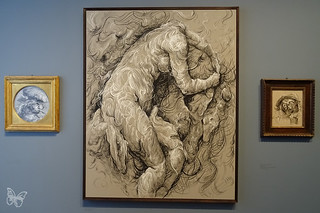
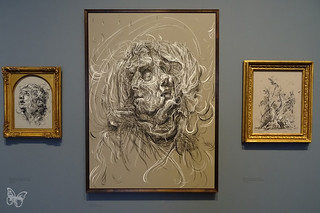
The choice of picture frames adds an additional layer to the richly layered visual anachronism. Inverting the normal order of image-making and framing, Brown treats the frames as readymades, creating drawings in response to the particular colour, size, design, and narrative detail of each. Thus, the drawings and the frames are integral to each other.

In the exhibition, an entire room of recent drawings is hung salon-style, some mounted in elaborate Renaissance gilt and carved wooden frames.

Glenn Brown - Come to dust
Glenn Brown - Come to dustGlenn Brown - Come to dust

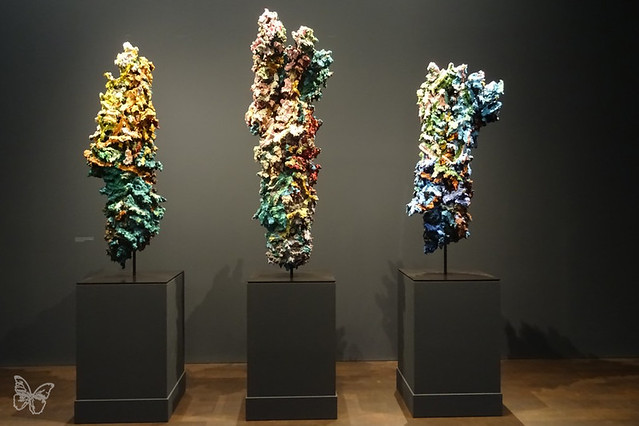
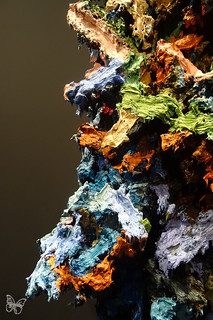
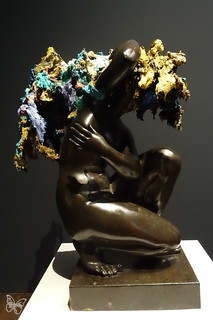
The sculptures are very impressive, elaborate masses built from precisely placed strokes of very thick oil paint. In some of them, the cold, sensuous curves of nineteenth-century bronze statues are still visible but engulfed by growths of pulsating, gravity-defying oil paint. The contrast between the cold, hard metal with  the soft, luscious paint is highly captivating.

Glenn Brown - Come to dust
Glenn Brown - Come to dustGlenn Brown - Come to dustGlenn Brown - Come to dust Glenn Brown - Come to dustGlenn Brown - Come to dust

“Come to Dust” immerses the viewer in Brown’s enigmatic world. The figures and forms of history mutate, overtaken by hypnotic  colours and light. Transforming the allure of Old Master paintings and drawings, bordering on profanity, Brown tells a much darker and more complicated story, fit for our times.

Glenn Brown - Come to dustGlenn Brown - Come to dustGlenn Brown - Come to dust

View the full set of pics here

Glenn Brown – Come to Dust
Until 17 March 2018
Gagosian Gallery
20 Grosvenor Hill
London W1K 3QD