Tag Archives: London

London: Hope to Nope – Graphics and Politics 2008-2018

Hope to Nope : Design & Politics 2008-18

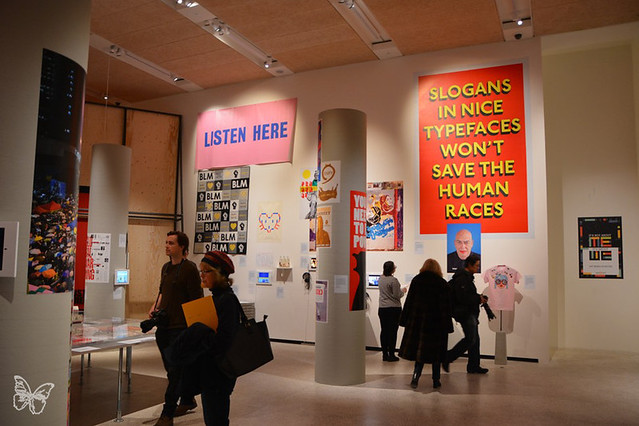
We are pleased to be part of the latest exhibition at the London Design MuseumHope to Nope – Graphics and Politics 2008-18′.

Design can influence public perception, but great design can change it. From campaign designs to protest symbols, ‘Hope to Nope: Graphics and Politics 2008-2018’ explores the impact of graphic design in political and social movements over the last ten years.

Alongside traditional posters and banners, the exhibition charts the rise of digital media and social networking, which have given graphic iconography an extraordinary new reach.  The political events featured include: the 2008 financial crash; the Barack Obama presidency; the Arab Spring; the Occupy movement; the Deepwater Horizon oil spill; the Charlie Hebdo attacks; Brexit and Donald Trump’s presidency.

The exhibition is structured in three distinct sections: power, protest and personality – which explore how design is used in politics to change public perceptions.

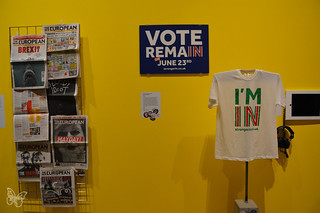
‘Power‘ starts off with the Obama campaign’s unofficial, but hugely popular, ‘Hope’ poster by Shepard Fairey, which is later compared to the failings in the design of the Remain campaign’s materials. It also features examples of Brandalism subverts advertising posters from 2015 Brandalism ad takeover in Paris (covered) with VW spoof ad by Barnbrook and Curfew Zone by Dr.D.

Hope to Nope : Design & Politics 2008-18

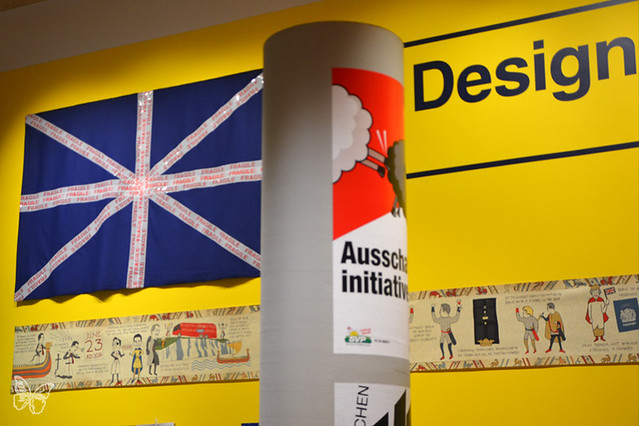
Regarding UK politics, the Power section highlights the Union Jack flag made with fragile tape by Sarah Boris, which was featured during several marches against Brexit in 2016 as well as designs from the RemaIN campaign.
Hope to Nope : Design & Politics 2008-18
Hope to Nope : Design & Politics 2008-18Hope to Nope : Design & Politics 2008-18

Examples show how graphic design is used by the establishment to assert national and political authority like the Hillary Clinton presidential campaign, or used by its opponents like Soviet posters which were turned into a gay rights campaign and Dread Scott’s flag in support of the Black Lives Matter movement.

Hope to Nope : Design & Politics 2008-18Hope to Nope : Design & Politics 2008-18Hope to Nope : Design & Politics 2008-18Hope to Nope : Design & Politics 2008-18

A large graphic timeline dissects the gallery, charting the role of new communication technologies such as Facebook and Twitter in global events of the last decade.

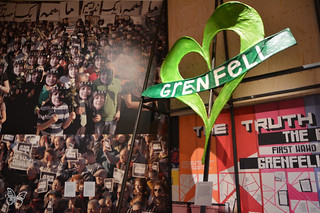
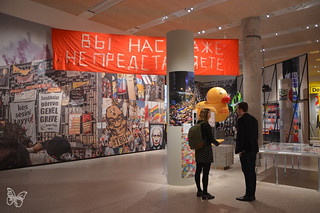
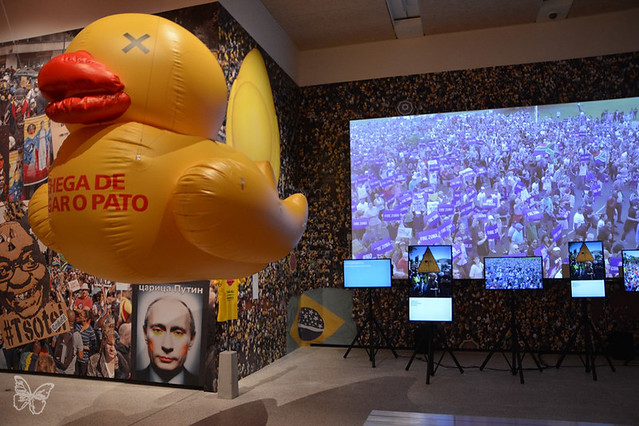
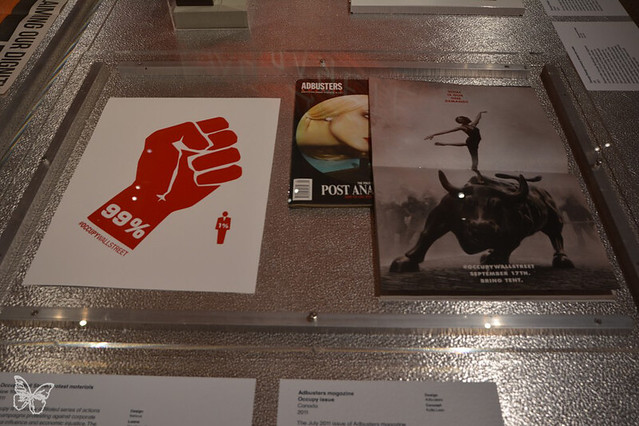
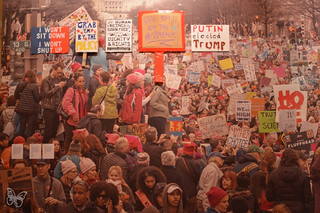
Protest displays graphic design by activists and demonstrators. The largest section in the exhibition, it includes newspapers from the 2011-12 Occupy London camp, an umbrella used during the 2014 Hong Kong ‘Umbrella Revolution’ and a 2m-high replica of the inflatable duck from the 2016 protests against Brazilian president Dilma Rousseff. This section also looks at the 2015 Je Suis Charlie and Peace for Paris marches, as well as responses to the 2017 Grenfell Tower disaster with the 24 hearts initiative by Sophie Lodge, demonstrating the important role played by graphic design in channelling anger and creating solidarity.
Hope to Nope : Design & Politics 2008-18Hope to Nope : Design & Politics 2008-18Hope to Nope : Design & Politics 2008-18
Hope to Nope : Design & Politics 2008-18Hope to Nope : Design & Politics 2008-18

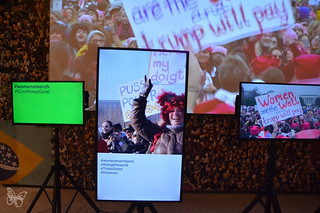
An installation film by Paul Plowman evokes the experience of public protest, combining hastags, forage and images from five protests : #womensmarch,  #grenfell, #turkey, #catalonia, and #southafrica. These demonstrations cover diverse political viewpoints, from fighting for democracy to calling for justice, and emotions ranging from solidarity to fierce anger.

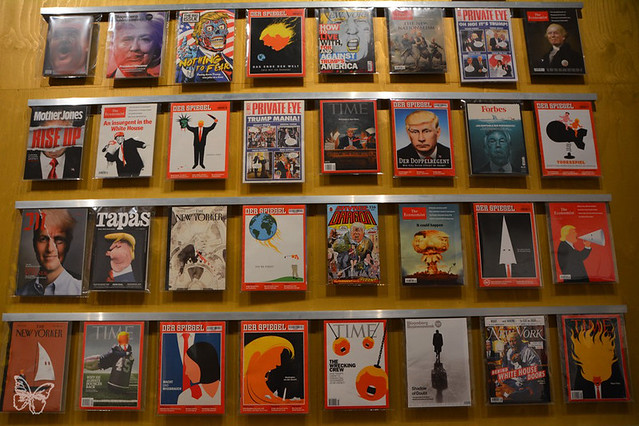
The final section, Personality, examines the graphic representation of leading political figures. Donald Trump’s trademark features are caricatured across the covers of more than 50 international magazines, including The Economist, TIME and Der Spiegel.
Hope to Nope : Design & Politics 2008-18

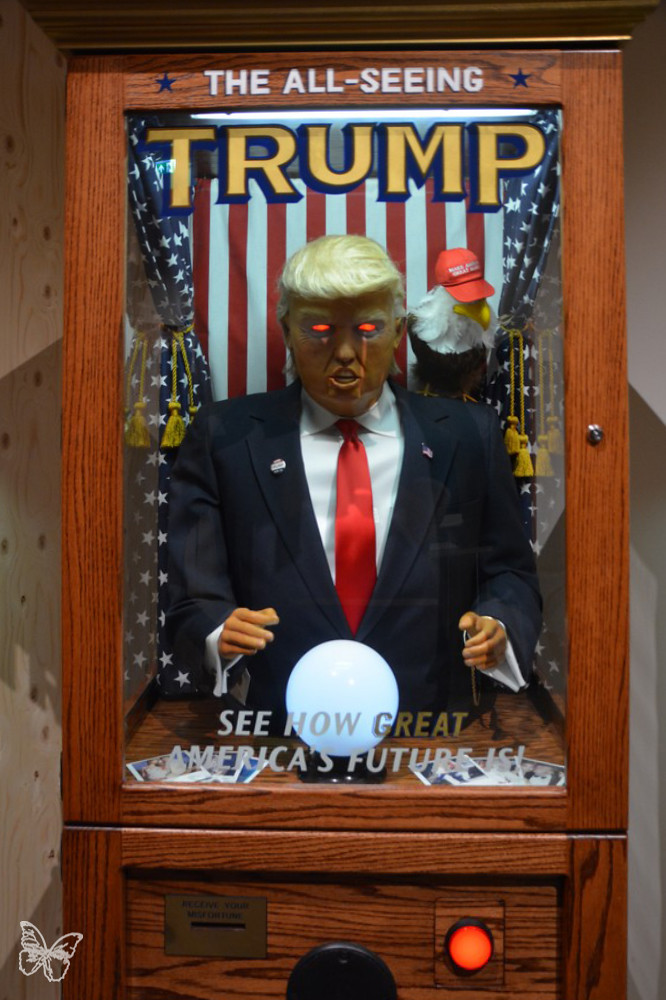
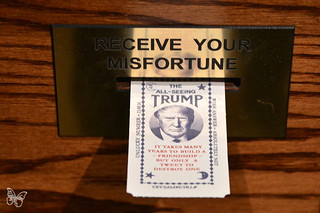
As we approach the ‘Nope’ of the exhibition we are faced with a scary and entertaining animation: an animatronic (mis)fortune telling machine tells and distributes messages by the new US President. This is the work by Nathaniel Lawlor, Andy Dao, Jon Barco and Bryan Denman.
‘With the over-saturation and bombardment of Trump in the news cycle, we saw how easy it was becoming for people to tune out the banter of these soundbites and Facebook headlines, so we thought—what better way to remind people of their gravitas than by showing them this could be their actual future?”

Hope to Nope : Design & Politics 2008-18Hope to Nope : Design & Politics 2008-18
Hope to Nope : Design & Politics 2008-18
Hope to Nope : Design & Politics 2008-18Hope to Nope : Design & Politics 2008-18

View the full set of pics here

Hope to Nope: Graphics and Politics 2008–18
Until 12 August 2018
Design Museum London
London: Banksy Vote Love

Banksy - Vote to Love

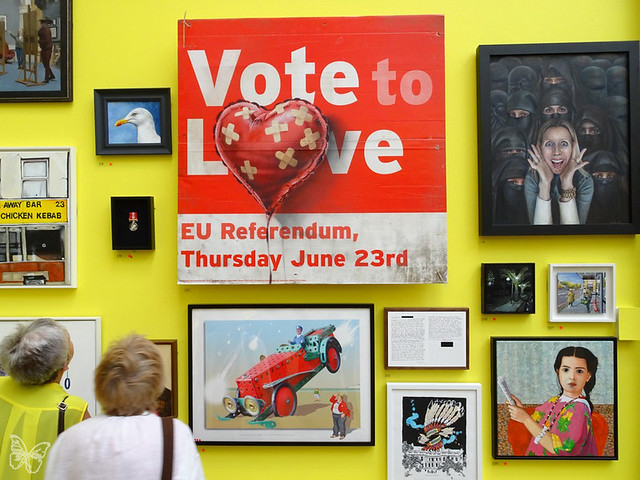
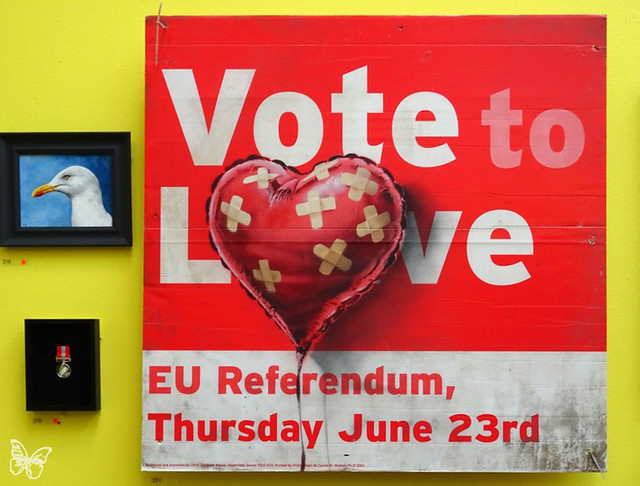
For the 250th Anniversary of the Summer Exhibiton at the Royal Academy in London, Banksy submitted an artwork under the pseudonym Bryan S Gaakman, anagram of ‘banksy anagram’ and it was refused. However when curator Grayson Perry contacted him to submit something, Banksy did it again and it is now displayed in the gallery 3.

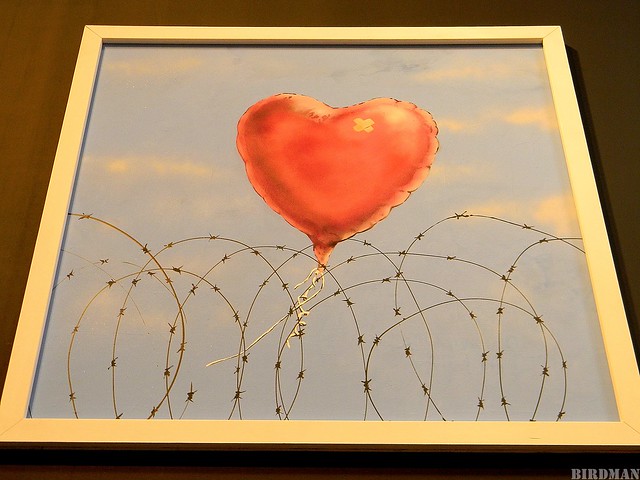
The artwork features a heart shaped balloon with plaster over a political board that was used for the Brexit referendum vote. The initial board favoured the ‘Leave’ campaign.
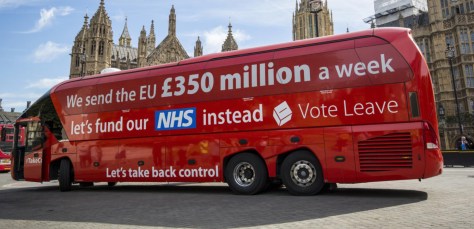
With his humorous style, the ‘Leave’ campaign has been replaced by a ‘Love’ statement. To add further irony, the price tag on the artwork is £350 millions, a nod to the infamous ‘Leave bus’ claiming that Britain would save £350m a week after Brexit.

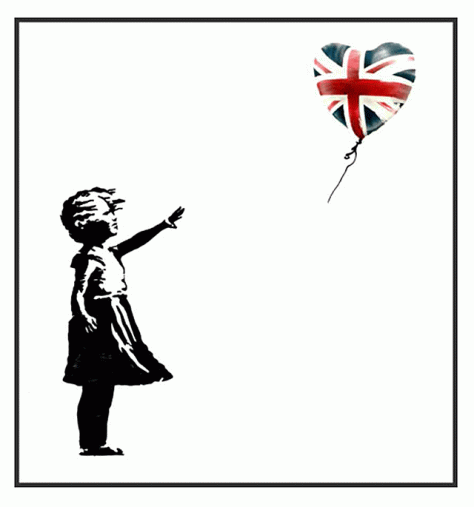
The heart shaped balloon is an image close to Banksy, starting with his iconic Girl with Balloon (2002) who was also used worldwide for the #withSyria campaign in 2014

#Syria - Banksy London
The first Love Heart Balloon with plaster appeared at the MOCA exhibition ‘Arts in the Streets’ in Los Angeles in 2011.

Banksy
Pic by BirdMan

A Heart Balloon mural was painted in the streets of New York in 2013 during his artistic residency Better Out than In.

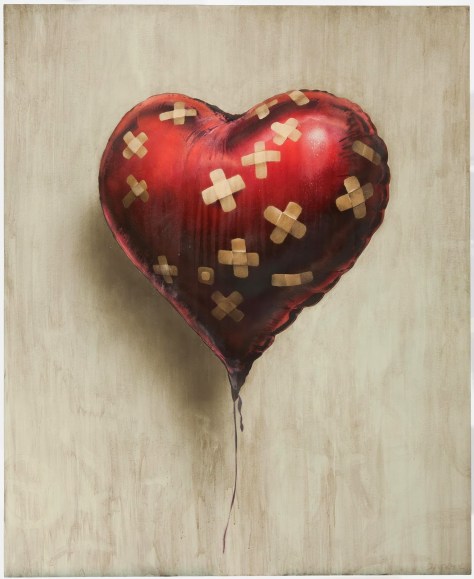
And a painted canvas  with the Heart Balloon was then sold in 2014 to support the Haitian Charity Auction for $650K.


Pic by Banksy

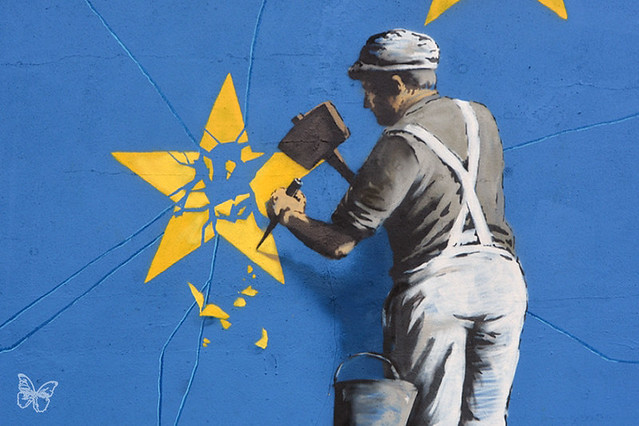
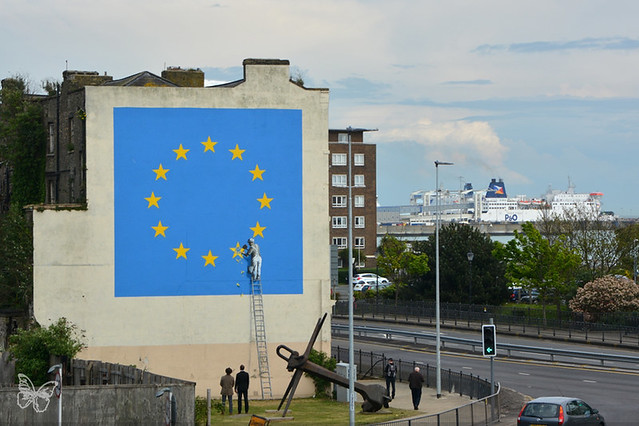
Throughout the years, Banksy expressed his views on political issues, and specially the Brexit.  We recall the mural in Dover in May 2017 featuring a worker chiselling away a star from the European Flag (see our previous coverage here).

Banksy in DoverBanksy in Dover

This was followed by the release of a revisited version of the Girl With Balloon featuring a heart with the Union Jack flag  for the UK Elections  in June 2017, which was later recalled due to criminal offence (covered)


Pic by Banksy

Banksy - Vote to Love

The 250th Summer Exhibition of the Royal Academy features 1300 artworks from internationally renowned artists and exciting new talents.

Come back again soon for our full coverage on the exhibition.

250th Summer Exhibition
Royal Academy
Until 19 August 2018
Burlington House, Piccadilly,
London, W1J 0BD

London: Mark Jenkins – BRD SHT

Mark Jenkins- BRD SHT

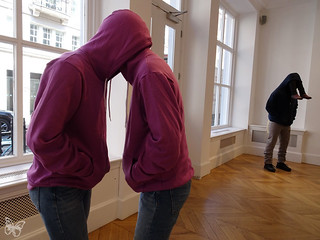
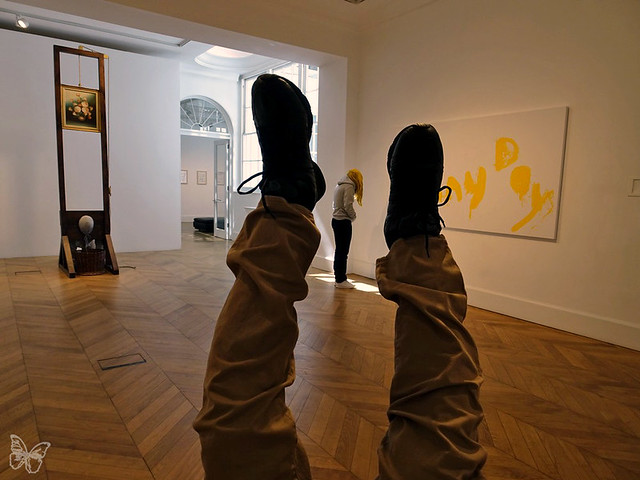
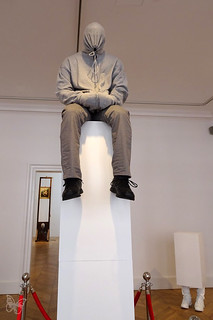
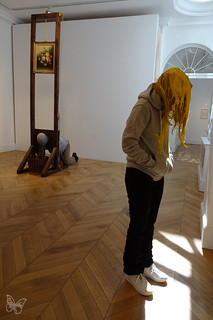
American artist Mark Jenkins returns to London for his third solo exhibition with Lazinc Gallery.
The show follows Jenkins’ success of his recent art installation, Project84, atop of London’s ITV building, raising awareness of male suicide.

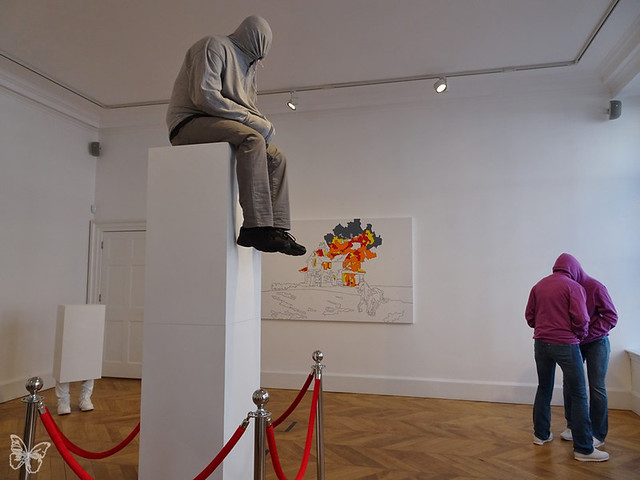
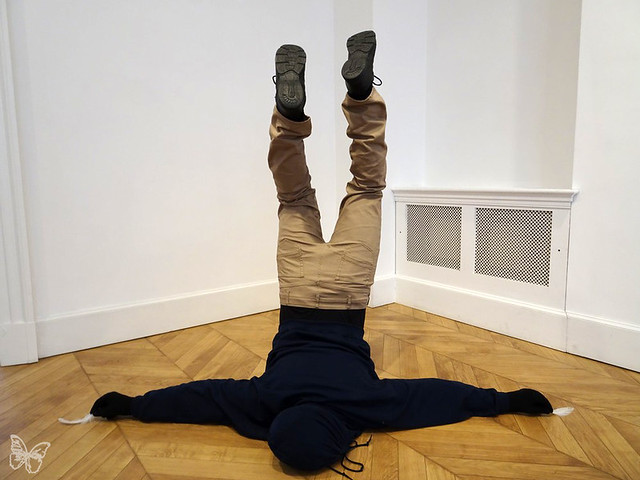
Together with his collaborator, Sandra Fernandez, Mark Jenkins creates sculptural street installations that take the form of life-sized bodies, often interacting with the surrounding environment.
The physical casting process ordinarily uses either Mark or Sandra’s own bodies, essentially cloning themselves out of many layers of sellotape to create dark humoured and often sinister sculptures and place them within the public space. The work is intended to explore the conventional process in which we experience and view artwork and the pedestrian boundaries between art and life.

“BRD SHT, the show’s title, nods to a license plate in the film Brewster McCloud. In the film, it was a murderous substance and while I understand here in the UK it’s good luck, for me I’ve always thought about the frequency birds do it as a condition for reducing weight to allow flight. It’s a useful metaphor to understand that our own ability to sustain flight mentally is a matter of reducing our own emotional baggage, or shit if you will.” – Mark Jenkins

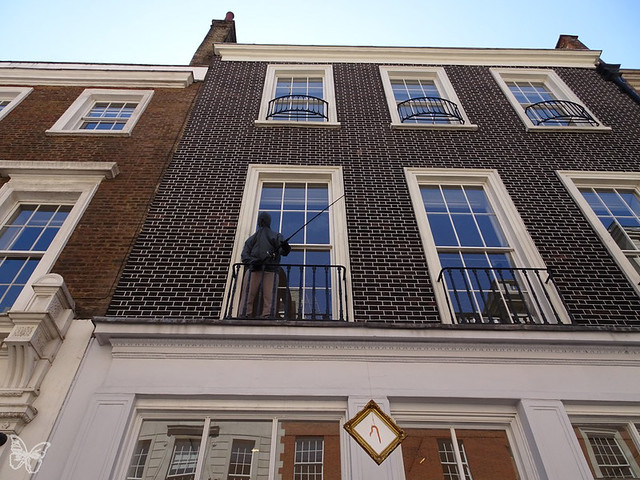
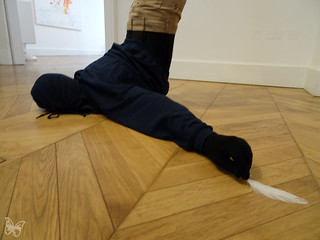
The exhibition features nine sculptures, three canvases and works on paper, as well as an installation on the gallery front of a fisherman figure hanging from the balcony.

Mark Jenkins- BRD SHTMark Jenkins- BRD SHT
Mark Jenkins- BRD SHTMark Jenkins- BRD SHTMark Jenkins- BRD SHT
Mark Jenkins- BRD SHT
Mark Jenkins- BRD SHTMark Jenkins- BRD SHT
Mark Jenkins- BRD SHT
Mark Jenkins- BRD SHTMark Jenkins- BRD SHTMark Jenkins- BRD SHTMark Jenkins- BRD SHTMark Jenkins- BRD SHT

View the full set of pics here

Mark Jenkins – BRD SHT
Until 30 June 2018
Lazinc Sackville
London
London: Miaz Brothers ‘Anonymous’ at Lazinc Sacksville

Miaz Brothers - Anonymous

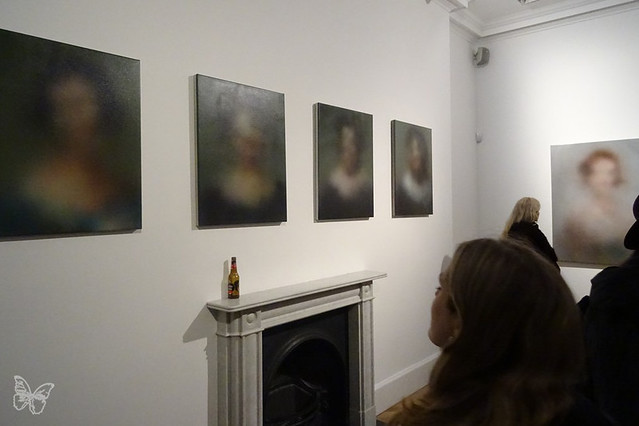
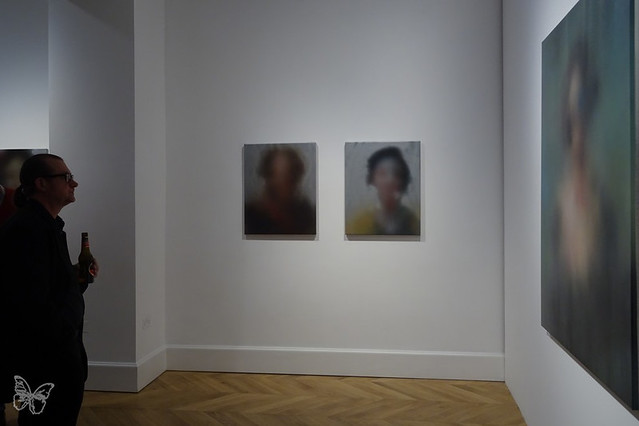
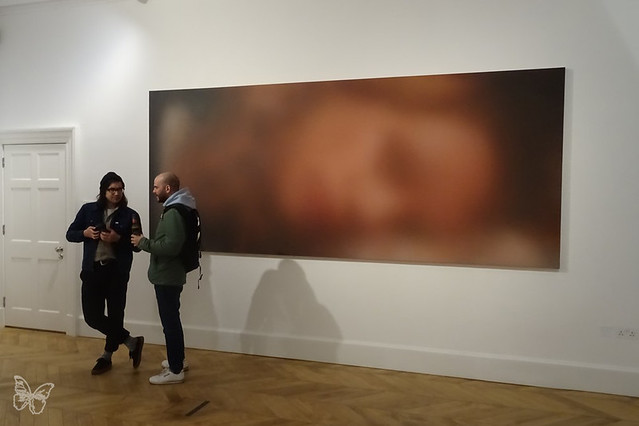
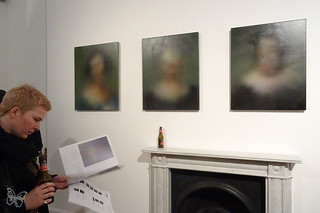
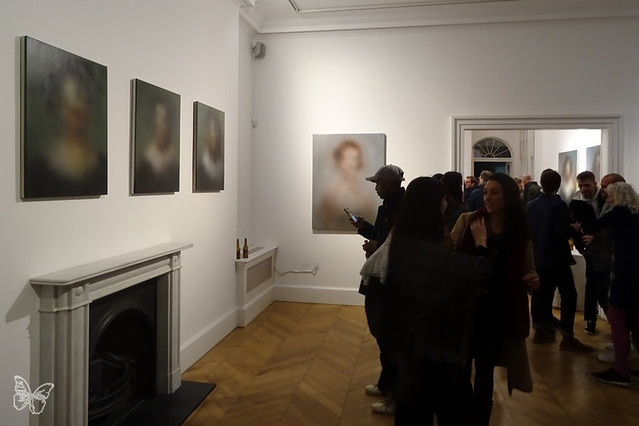
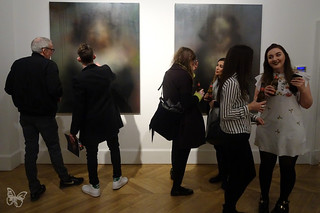
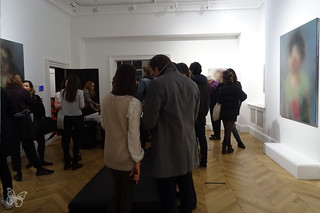
Italian duo the Miaz Brothers return to Lazinc Sacksville for their third exhibition; Anonymous, continuing their Antimatter Series.

The show explores the concepts of anonymity and the metaphor of status in our existence. While both bodies of work portray beings, symbolic of a crosssection of society that scales class, location and time, the sixteen portraits for this new exhibition aims to present some transcendent answers for our present existence.
The artists’ work intentionally looks to the future and embodies that which is yet to come, which today remains indefinable.

Miaz Brothers - Anonymous

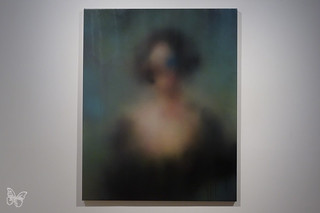
Using acrylic paint, the Miaz Brothers create enigmatic out of focus portraits, prompting the viewer to look beyond the line and to use both their own perception and imagination. Instead of explaining the meaning the meaning of their work, the artists encourage the viewer to develop their own relationship with the paintings.

Miaz Brothers - Anonymous

“It is an exercise for the inner spirit; a flexible experience of stretching the awareness of what we see and perceive; a stimulation for the consciousness and the limits of our idea of the world and its symbols. We are trying to force the viewer to interact with the image and to do so in a sensitive effort by filtering it through the perception and the process of identification to achieve something not fixed or limited but which is boundless and personal.” —The Miaz Brothers, 2018

Miaz Brothers - AnonymousMiaz Brothers - AnonymousMiaz Brothers - Anonymous
Miaz Brothers - AnonymousMiaz Brothers - Anonymous
Miaz Brothers - Anonymous

View the full set of pics here

Miaz Brothers – Anonymous
Until 21 April 2018
Lazinc Sacksville
29 Sackville Street
London W1S 3DX
London: Fourth Plinth by Michael Rakowitz

Michael Rakowitz

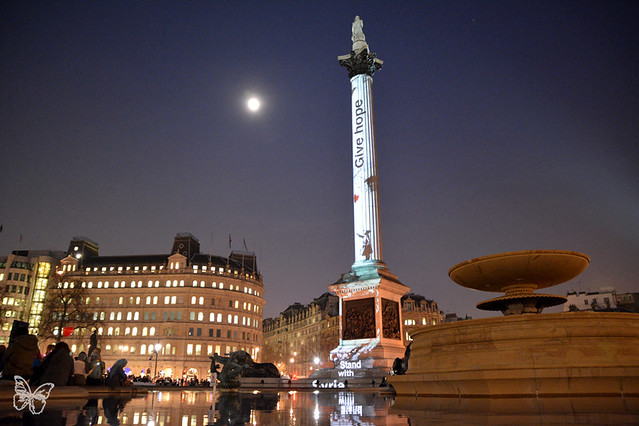
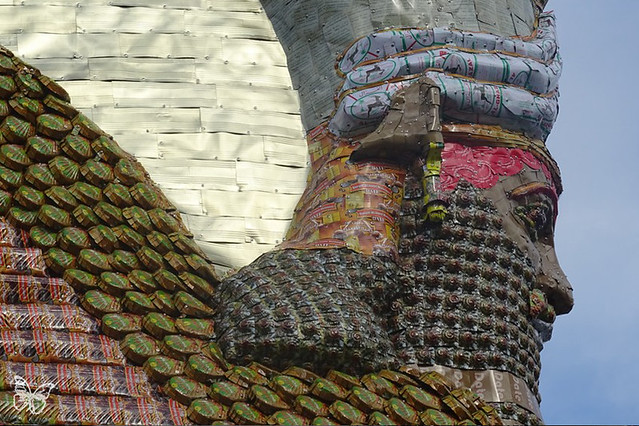
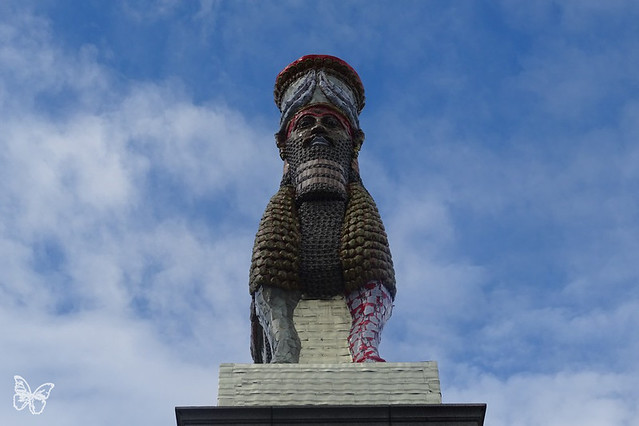
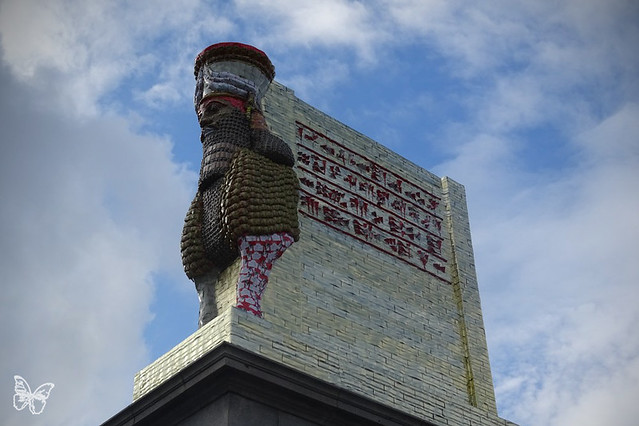
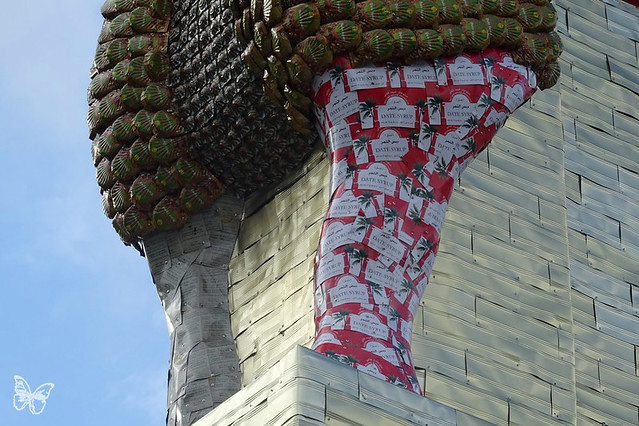
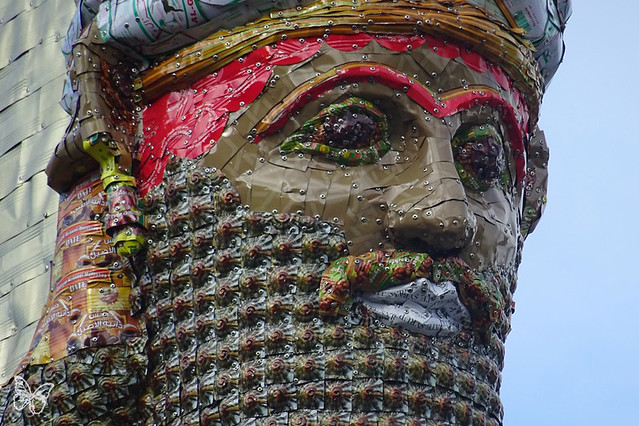
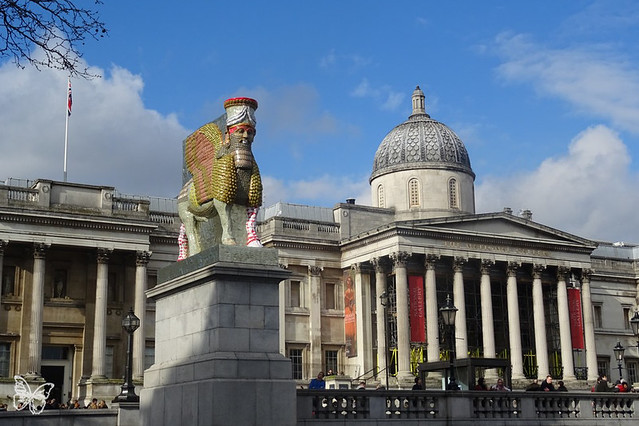
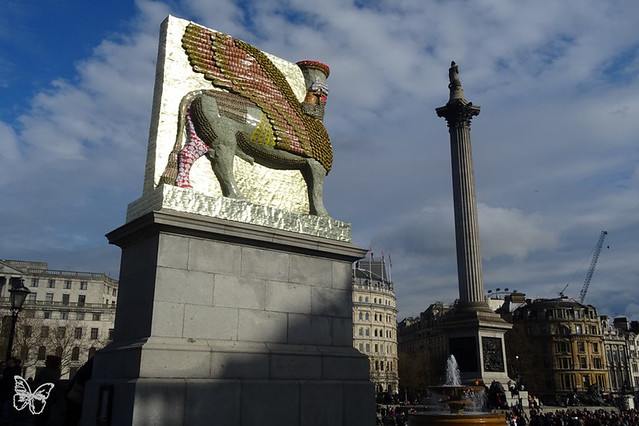
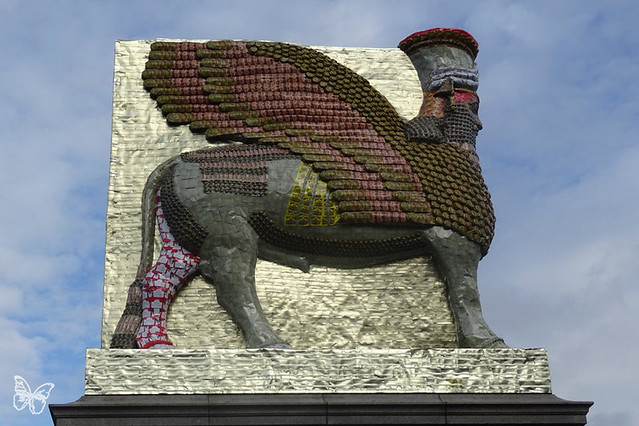
Following David Shrigley ‘ Really Good’ sculpture,  Iraqi-American artist Michael Rakowitz, has been selected to create the latest sculpture for the Fourth Plinth in Trafalgar Square using 9,000 tin cans of date syrup made in Iraq. The artwork is a reconstruction of the lamassu, a winged bull created around 700BC at the Nergal Gate of Ninevah, Iraq, nearMosul vandalised by Isis in 2015.
Michael Rakowitz has built an international art-world reputation over the past 15 years, fusing his autobiography as an American with an Iraqi-Jewish background with social and political observation and activism, as well as the odd absurdist link to pop culture.

During a family visit to the British Museum when he was aged 10, he recalls his first encounter with an Assyrian lamassu, like the winged bull only with a lion’s body. “Suddenly I found myself immersed in this space that was unlike any I had seen before,” Rakowitz recalls, “which was going past those lamassu and going into the throne room reconstruction from Nineveh and seeing the lion hunt of Ashurbanipal.”

Michael Rakowitz

The lamassu on the plinth is not a one-off but part of another long-term project, also called The Invisible Enemy Should Not Exist. For this, Rakowitz is reconstructing the entire database of 7,000 works looted from the National Museum of Iraq in the aftermath of the US and UK’s 2003 invasion. All of the reconstructions are made from Middle Eastern foodstuff packaging and local Arabic newspapers.

The project grew from Rakowitz’s observation that the sack of the museum was the first event of the war about which there was a consensus. “It didn’t matter if you were for the war or against the war, this was a catastrophe,” he explains. “But that outrage about lost artefacts didn’t turn into an outrage about lost lives.”

He noted that many looted artefacts were votive statues. “One of the interpretations of those artefacts is that those were statues that the ancient Babylonians, the Mesopotamians, would bring with them to the temple of the god, and the idea was that you would leave the sanctuary at a certain point but you left that statue in your stead, as a surrogate for you, to continue praying. And when I saw the artefacts being looted, I said, ‘Well, now we have another surrogate: a lost artefact for the lost bodies’. All those things loop back into the human and environmental catastrophe.”


Michael Rakowitz
Michael Rakowitz

Rakowitz was already thinking about reconstructing the lamassu after seeing the footage of it being destroyed by IS. He had discovered its measurements by referring to the sketches of Austen Henry Lanyard, the British archaeologist who discovered the lamassu and brought two others to the British Museum — the ones Rakowitz had seen as a child. He was invited by the Fourth Plinth organisers to submit a proposal and remarkably, the plinth was the same length as the lamassu — 14ft. “I was like, ‘This is it!’ What else would I do?”

Michael Rakowitz

Instead of merely recreating the sculpture, the artist wanted to recreate the DNA of Iraki people who got killed as well, so he decided to use date syrup cans.

So why date syrup cans? Rakowitz first began working with them in a New York project in 2006, Return, in which he reprised his grandfather’s import/export business but attempted to deal only in Iraqi goods. He had found the date syrup in a grocery store in Brooklyn but it was labelled “product of Lebanon”. In fact, the syrup was made in Baghdad, put into large plastic vats, driven to Syria and canned there before moving over the border into Lebanon, where it was labelled and sold globally. That way, sanctions were circumvented and, post-2003, security tariffs avoided. But for Rakowitz the journey was another metaphor, of course: the dates travelled “the same exact path as Iraqi refugees”.

Michael Rakowitz

Iraqi dates “were considered the best in the world; what the cigar is to Cuba”, he says. But their demise reflects the tragedy of Iraq’s recent history. Date palm trees disappeared, “from 30 million in the Seventies, when Iraq was the chief exporter of dates in the world, to 16 million at the end of the Iran-Iraq war [1980-88], to three million at the end of the 2003 invasion,” he says.

Michael Rakowitz

So the plinth sculpture reflects a huge sweep through Iraqi history. “It’s telling the story of a destroyed Iraqi artefact, and what it’s made from is telling the story of a destroyed land, destroyed nature, destroyed ecology,” he says. “And the destruction of a symbol that was so elemental to the Iraqi people. Dates are the harbinger of good things to come: you put a date into the mouth of a baby in some places in Iraq so its first taste of life is sweet. And when you have the erosion of that sweetness, it’s not a good omen.”

This is the genius of Rakowitz’s sculpture: it is history, art history, social history and current affairs. Rich knowledge and impassioned polemic all bundled into a single, glorious yet poignant symbol looking over Trafalgar Square.

Michael Rakowitz

View the full set of pics here

Michael Rakowitz
The Invisible Enemy Should Not Exist
from 28 March 2018
Fourth Plinth
Trafalgar Square,London